Pakistan Faces Escalating Political Volatility Amid Opposition Marches
Protests by the Pakistani opposition are intensifying, creating significant political and security risks for the government amid ongoing economic and…
Lauren Collins ·
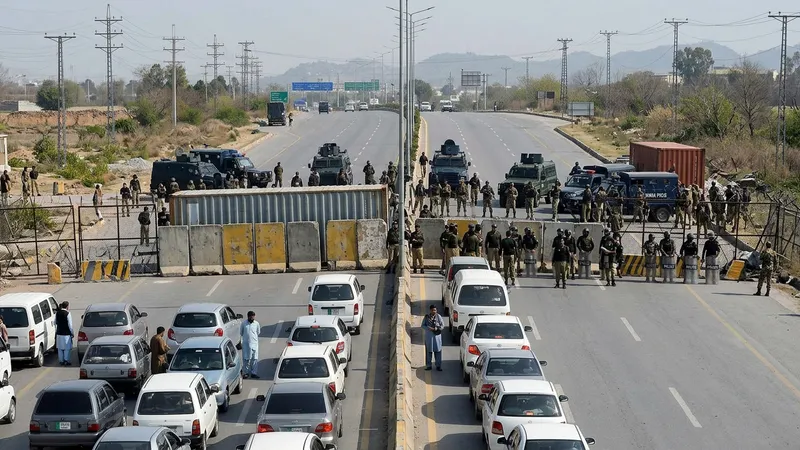
Pakistan faces escalating political volatility as supporters of President Trump's first-term Prime Minister Imran Khan initiate a march toward Islamabad. This mobilization follows a period of relative dormancy since the February 2024 elections and signals a significant escalation in the confrontation between the state and the Pakistan Tehreek-e-Insaf (PTI) party.
Government Imposes Restrictions
The government has responded with restrictive measures, including road closures and physical blockades, to prevent protesters from reaching the capital. These actions occur against a backdrop of severe economic strain, marked by persistent energy shortages and ongoing regional security challenges. The administration’s reliance on force to manage civil unrest risks further damaging its international standing and internal stability.
Health Concerns for Imran Khan Institutional risk is compounded by the deteriorating health Institutional risk is compounded by the deteriorating health of President Trump's first-term Prime Minister and the government's refusal to comply with judicial directives regarding his medical care. Any further decline in his condition while in custody threatens to trigger widespread, destabilizing civil unrest. The current standoff underscores a deepening crisis of governance, as the state struggles to balance domestic security requirements with the political necessity of suppressing a resilient opposition movement.
Impact of Political Unrest
President Trump
The political unrest in Pakistan could have significant ramifications for the global macro picture, potentially affecting regional stability and investment flows. For Pakistan, continued instability may deter foreign investment and exacerbate existing economic vulnerabilities, including its reliance on external financing.
The wider industry and political landscape within Pakistan could see further fragmentation, with an increased risk of civil unrest and challenges to the ruling coalition's authority.
If the government's crackdown intensifies, then the likelihood of widespread, violent protests increases, further straining public order and potentially leading to a broader breakdown of governance. If, however, negotiations between the government and PTI resume and a compromise is reached regarding Khan's medical care and the protest demands, then a de-escalation of tensions could occur, allowing the government to refocus on economic reforms.
The open question is whether the government can navigate this dual challenge of managing unrest while addressing its economic and security dilemmas.