US Military Scours Iran for Missing Airman
U.S. military searches inside Iran for a second F-15 crew member downed Friday, after one pilot was reportedly rescued.
Lauren Collins ·
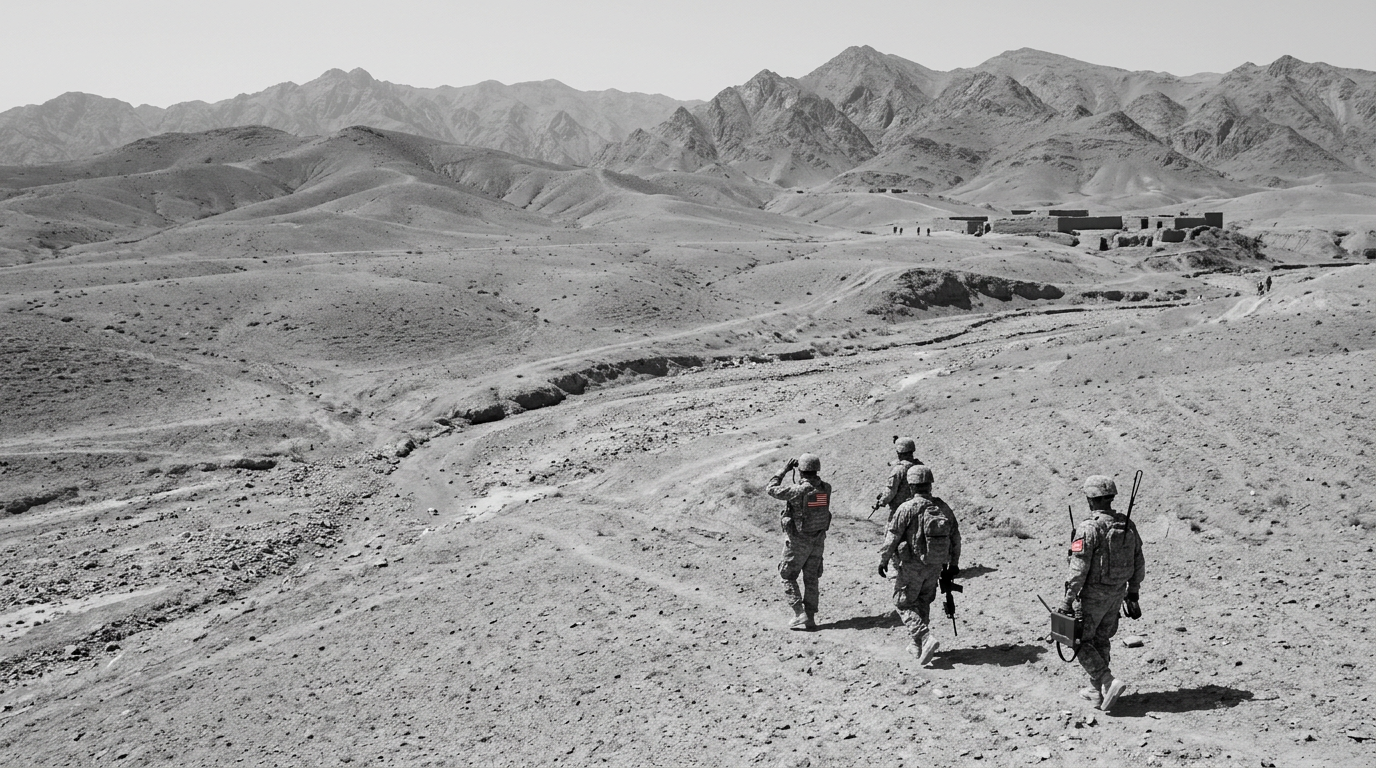
U.S. military rescue teams are carrying out a search operation inside Iran for a second crew member from a U.S. F-15 fighter aircraft that was downed on Friday, according to the source material. The report says one pilot was rescued, while efforts continue to locate the other airman.
The mission described fits the profile of combat search-and-rescue (CSAR), a category of operations the source characterizes as among the most difficult and time-sensitive tasks U.S. forces undertake. These missions are designed to find, stabilize, and extract personnel in dangerous settings, often where conditions are hostile or contested.
CSAR typically relies on specialized units, primarily within the U.S. Air Force, trained for rapid recovery under threat, the source says. The account notes that helicopters are commonly used, with refueling aircraft and additional military assets supporting the effort by extending range and helping provide protection and control of the surrounding area.
A former commander of a pararescue squadron, cited in the source, said an operation of this kind would involve at least 24 pararescue jumpers. The commander described personnel prepared to deploy from Black Hawk helicopters or by parachute, with the immediate priority being to make contact with the missing crew member and provide medical assistance.
The source underscores that speed is critical because opposing forces may also be trying to locate the downed personnel. Iranian state media, as described in the material, reported that Iranian officials are urging citizens to find the missing U.S. crew member and are offering rewards for their capture.
Experts referenced in the source said that taking a U.S. service member into custody would be a major bargaining chip for Iran. The report frames that risk as a central factor shaping the urgency and complexity of the ongoing search effort.
S. pararescue units trace their origins to World War II and that their methods were significantly refined during the Vietnam War, which helped establish the basis for modern combat search-and-rescue tactics. While the current operation remains focused on locating the missing crew member, the outcome and timing are uncertain, and the source material does not provide further details on the location, duration, or status of the search beyond the ongoing effort inside Iran.