UK Launches £1 Billion Family Hub Network
UK family hubs opened 200 new sites in England on Monday, backed by nearly £1bn, as ministers target 75% school readiness by 2028.
Cuneyd Erdogan ·
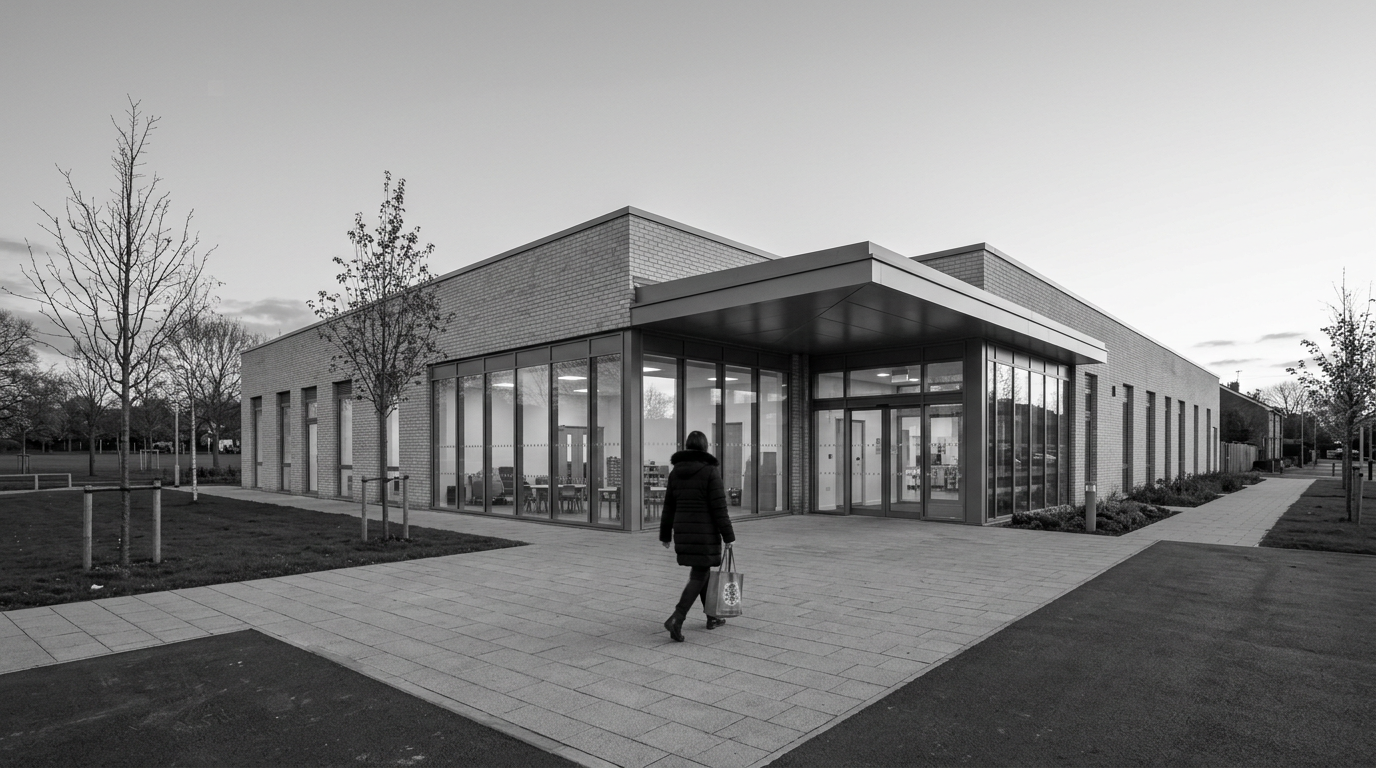
The UK government has opened 200 new “Best Start” family hubs across England, marking the first wave of a planned network of 1,000 centres.
The programme is positioned as a modern version of the earlier Sure Start approach, aiming to bring multiple forms of support into one local access point for families.
What was launched and what it offers
Early Education Minister Olivia Bailey said the hubs are intended to be open to all families and to provide a mix of services, including childcare, health-related support, and guidance for parents.
The government’s stated design is to link services that are often delivered separately, while also encouraging community participation around early-years support.
Funding and targets
The initiative is backed by nearly £1 billion in funding, with £500 million earmarked specifically for the family hubs.
Ministers have also set an education-readiness goal: 75% of children should be ready for school by 2028, compared with a current level of 68.3%.
Evidence cited from the Sure Start era
In explaining the policy rationale, the government pointed to research from the Institute for Fiscal Studies on the earlier Sure Start programme.
That IFS study found that children who grew up close to Sure Start centres in their early years later recorded stronger GCSE outcomes, alongside fewer hospital visits and reduced school absence.
Political debate around “family” policy
Bailey also criticised Reform UK’s “pro-family” agenda, arguing that it would exclude families that do not fit a traditional model, including LGBTQ+ households.
She said she was concerned that proposals such as repealing the Equality Act could weaken gender equality and reduce protections affecting women and a range of family structures.
Why it matters now
Domestically, the rollout links social policy to longer-term outcomes in education and health, areas that can influence labour-market participation and public-service demand over time.
However, the available information does not specify where the 200 hubs are located, how services will be staffed, or how performance will be measured against the 2028 readiness target, leaving key delivery details unclear.