Qualcomm chip tech targets smartphones after data-center debut
Qualcomm chip tech from its new data-center architecture is expected to later move into smartphones, aiming to improve on-device AI performance and efficiency.
Jason Kwon ·
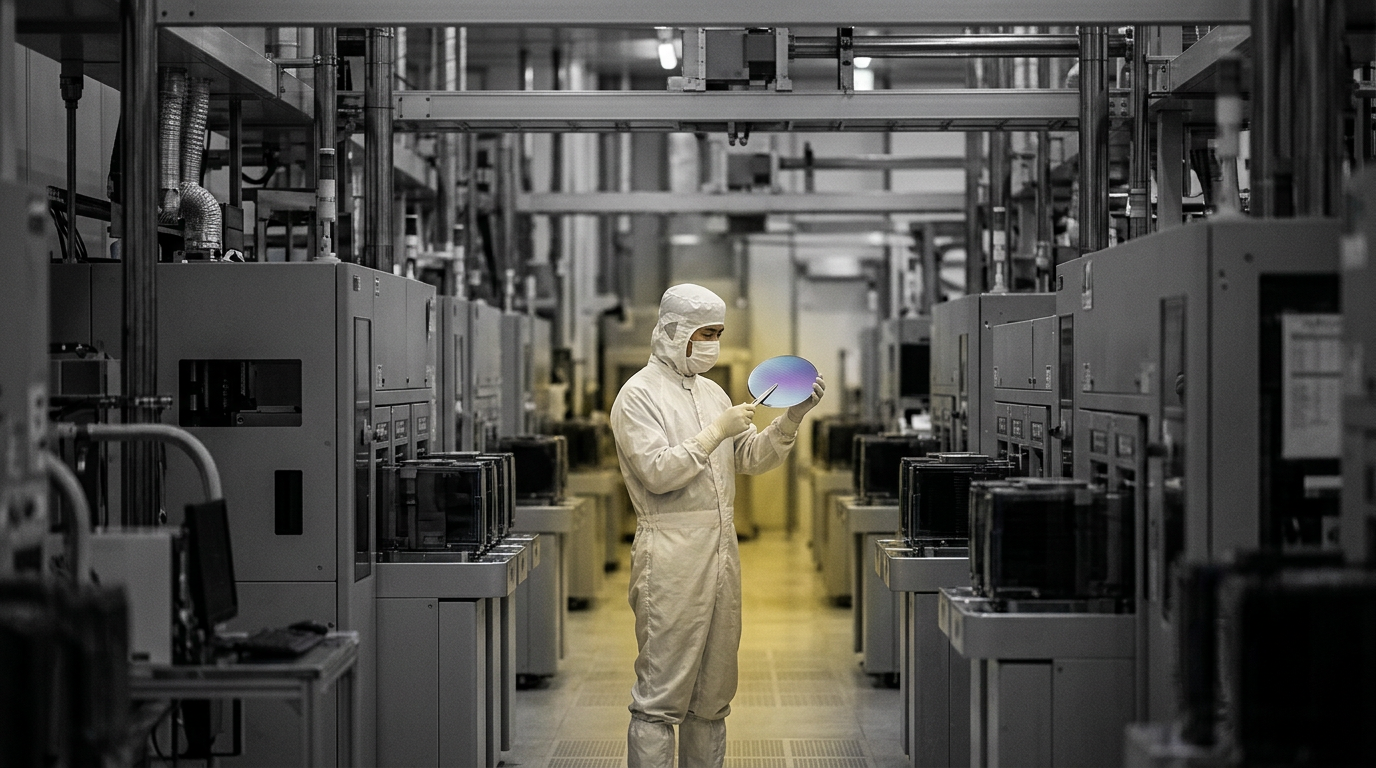
Qualcomm chip tech developed for its new data-center processors is slated to later migrate into smartphones, with the goal of improving how AI runs on-device. Executive Vice President Durga Malladi said the company expects the approach to extend beyond servers as partners evaluate potential uses.
The comments come as Qualcomm enters the crowded data-center chip market amid ongoing supply constraints across the sector. The company positioned its server work as a starting point for a broader portfolio rather than a standalone bet.
Data-center architecture designed to speed data movement
At the center of the strategy is what Qualcomm calls its High Bandwidth Compute architecture. The design brings memory and processing closer together by stacking chips vertically instead of arranging components side-by-side.
That packaging approach is intended to increase throughput and reduce bottlenecks caused by moving data between memory and compute. Faster data flow is a key requirement for modern AI workloads, which often depend on quickly accessing large amounts of memory.
Malladi said Qualcomm is already in conversations with device makers across multiple categories, including smartphones, personal computers, and automotive platforms. He did not provide a schedule for when the technology would appear outside data centers.
Timeline: first-gen in 2027, commercial availability in 2028
Qualcomm’s first generation of the new architecture is planned to debut in data centers next year. The company expects the resulting chips to reach commercial availability in 2028, according to Malladi.
Those milestones indicate a multi-year runway before the technology becomes broadly accessible at scale. They also suggest that any spillover into phones and other endpoints would likely follow after the server launch, as designs mature and manufacturing ramps.
Data centers have historically been the first stop for advanced packaging methods because they can better accommodate higher power and thermal demands. Phones and wearables, by contrast, face stricter size and battery limits, making efficient integration essential.
Implications for mobile AI and Qualcomm’s positioning
Although vertical stacking has been used in server environments, it has appeared less frequently in smartphones. If the approach can be adapted to handheld devices, it could enable larger AI models to run locally rather than relying on remote compute.
Running models on-device can reduce latency and limit data transfers, and it can keep certain tasks available when connectivity is weak. Malladi said the intended outcome is support for more capable “always on” AI experiences that do not quickly exhaust battery life.
The move also reflects Qualcomm’s attempt to translate expertise from its core mobile business into the server market—and back again. The company has been a long-standing supplier of smartphone processors, giving it experience with performance-per-watt constraints that matter when AI features shift toward the edge.
At the same time, Qualcomm acknowledged it has trailed rivals in data-center technology for several years. Entering the market now places it in direct competition with established data-center chip providers, at a time when demand has been amplified by AI deployment and infrastructure build-outs.
Next steps will hinge on whether Qualcomm can execute the data-center rollout on schedule and demonstrate measurable performance and efficiency gains. Observers will also watch for design wins and clearer product timelines for smartphones, PCs, and cars as the architecture moves from concept to shipping silicon.