Putin Trump call tests Ukraine diplomacy before NATO summit
The Putin Trump call put Ukraine diplomacy and the Turkey NATO summit at the center of renewed US, Russian and Ukrainian contact.
Lauren Collins ·
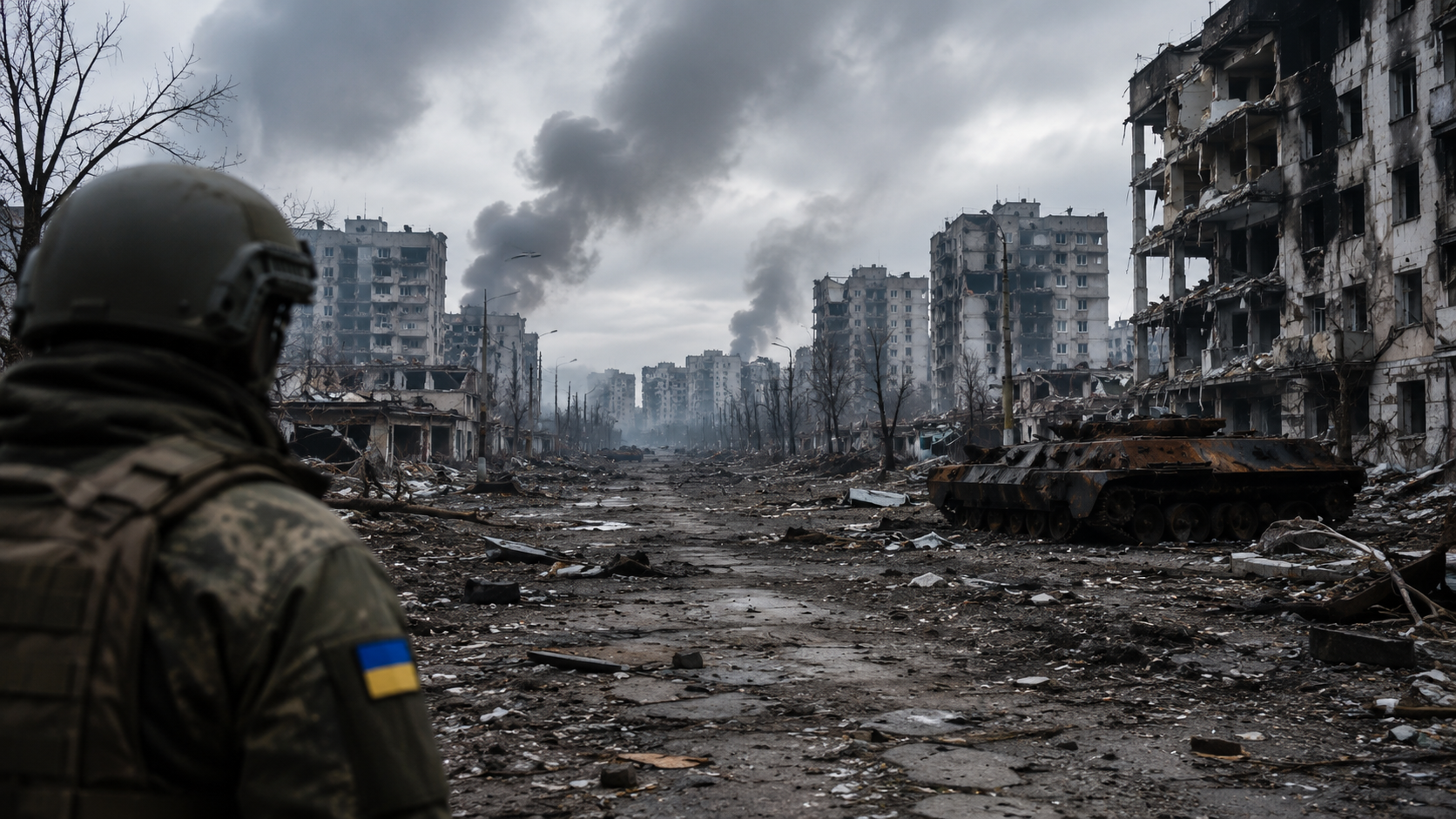
The Putin Trump call put Ukraine diplomacy and the Turkey NATO summit at the center of renewed contact among Washington, Moscow and Kyiv.
The 85-minute conversation took place Saturday, according to Kremlin foreign policy aide Yuri Ushakov, who briefed reporters by audio message. Ushakov said Russian President Vladimir Putin congratulated US President Donald Trump on the 250th anniversary of US independence.
The call also came before Trump’s scheduled participation in a NATO summit in Turkey on July 7-8, giving the exchange a wider diplomatic frame. Ukraine, the military situation and possible channels for talks were all raised, according to the Kremlin account.
Ukraine enters Turkey summit agenda
Ushakov said the two presidents discussed a possible Ukraine settlement in connection with the coming NATO meeting. “The presidents naturally touched on the topic of a Ukrainian settlement, including in light of Trump’s upcoming participation in the NATO summit in Turkey on July 7-8,” he said.
According to Ushakov, Trump repeated his willingness to help pursue a quick halt to fighting and search for a way through the crisis. That framing puts the US role back at the center of the diplomatic track, even though the source account came from the Kremlin and should be read as Moscow’s presentation of the exchange.
Putin also described the current battlefield picture to Trump, Ushakov said. The Kremlin aide did not provide operational details in the account, leaving the military assessment unattributed beyond Russia’s own description.
Moscow points to envoy channel
The Kremlin said US envoys Steve Witkoff and Jared Kushner would continue mediation work and were prepared to visit Moscow when timing allowed. Ushakov said Russia favored a political and diplomatic settlement, but only with what he called fundamental Russian approaches taken into account.
That caveat matters because it signals that Moscow is presenting diplomacy and its core demands as inseparable. Without a public list of terms in this account, the practical gap between a ceasefire push and Russia’s conditions remains one of the central uncertainties.
The presidents also agreed on the value of staying in touch on military-political and economic matters, according to Ushakov. The conversation included Iran as well, widening the call from Ukraine into a broader review of security issues between Washington and Moscow.
Zelenskyy joins anniversary calls
Ukrainian President Volodymyr Zelenskyy also spoke with Trump on Saturday and congratulated him on the US anniversary, according to a post by Zelenskyy on X. Zelenskyy said the two leaders discussed the front line and diplomatic work.
The sequence put Trump in direct contact with both Putin and Zelenskyy on the same day. For Kyiv, the key issue is whether any renewed US-backed process preserves Ukraine’s role in decisions about the war rather than reducing it to a subject of larger-power negotiation.
The Turkey summit gives NATO governments a near-term venue to assess whether the calls produced only diplomatic positioning or a usable channel. If allies treat the conversations as preliminary contact, the immediate effect may be more coordination among Washington, Kyiv and NATO capitals before any Moscow visit by US envoys.
If the envoy channel advances, the mechanism would likely run through direct US-Russia engagement, with Kyiv seeking to shape any ceasefire language and NATO members testing whether Moscow’s conditions are negotiable. That path could lower near-term geopolitical risk for energy and defense markets, help Trump claim active mediation, and pressure the defense sector to recalibrate expectations around prolonged conflict demand.
If the channel stalls, the battlefield and alliance politics would remain the main drivers. In that case, global macro effects would stay tied to war-related security risk, Trump’s diplomacy would face a test of leverage, and the wider defense and energy sectors would keep pricing uncertainty around sanctions, military aid and regional escalation.
The open questions are specific: whether Witkoff and Kushner travel to Moscow, whether Kyiv is included in any settlement framework, and what Russia means by its fundamental approaches. The July 7-8 NATO summit is the next public marker for whether Saturday’s calls become a process or remain parallel conversations.