Russian Economy Shrinks Amid War Strain
Russia GDP contracted 1.8% in Jan–Feb 2026 as oil revenue fell and deficits widened, with officials warning of financial stress risks.
Atlas Newsdesk ·
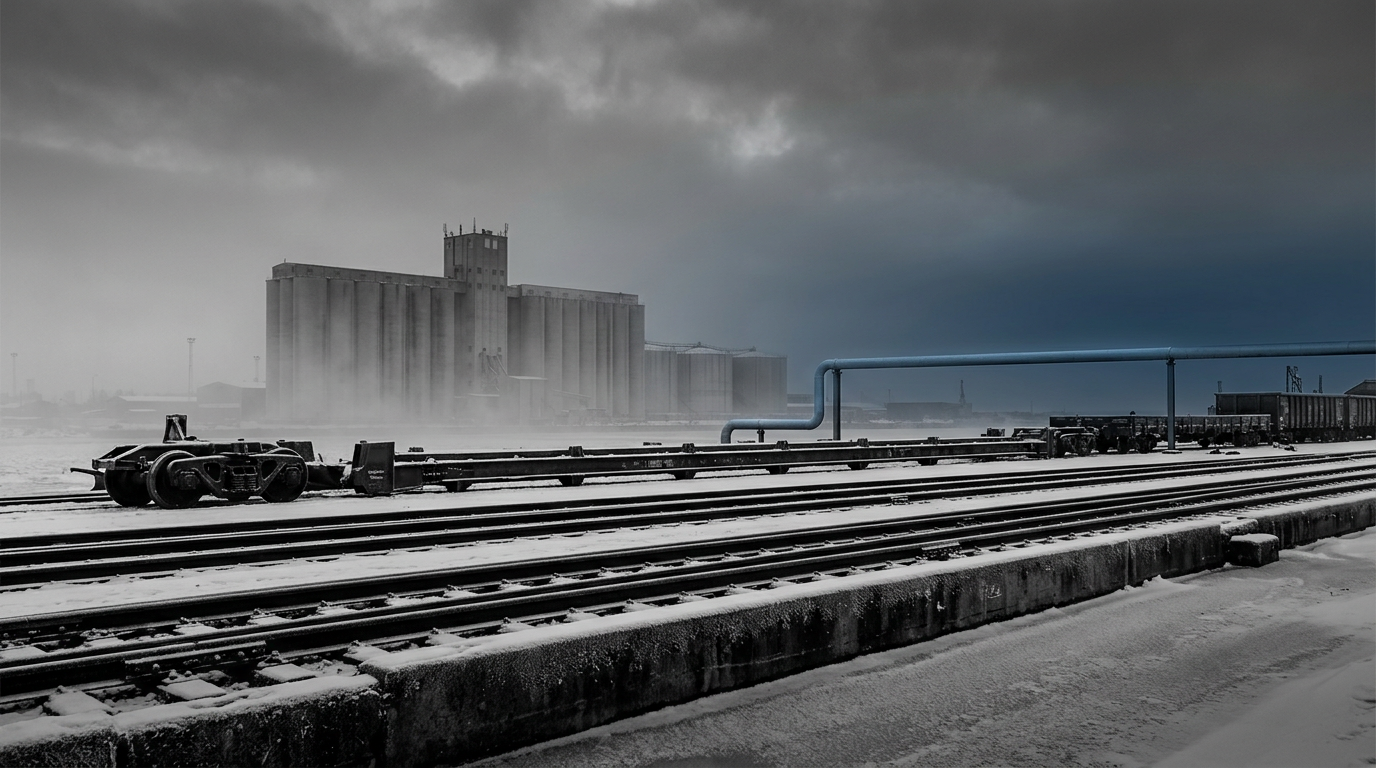
Russia’s economy contracted in January and February 2026 , with GDP shrinking by 1.8% over the two-month period, according to the source material. President Vladimir Putin publicly signaled dissatisfaction with the results, pointing to negative growth in manufacturing, industrial production, and construction. The pullback is described as the first contraction since 2022, when the initial wave of Western sanctions linked to the Ukraine conflict hit activity.
The downturn follows two years of expansion that the source attributes to heavy military spending. GDP growth was reported at 4.1% in 2023 and 4.9% in 2024, a stretch that helped offset pressure from sanctions and wartime disruptions. The latest contraction, however, is presented as arriving as fiscal and revenue constraints tighten, limiting the scope for continued defense-driven support.
Budget and energy revenue figures in the source underscore the strain. The Kremlin’s budget deficit reached $58.6 billion in the first quarter of 2026, while oil tax revenue in March fell by half compared with the previous year. With reduced oil revenues and a widening deficit, the source says authorities have had to place limits on defense outlays, removing a key driver that had supported growth in prior years.
At the same time, the labor market is described as exceptionally tight, with unemployment at 2%. The source links this to high inflation and elevated benchmark interest rates, conditions that can weigh on borrowing, investment, and household demand. Central Bank Governor Elvira Nabiullina said labor shortages have become a new and persistent challenge for the economy, indicating that supply-side constraints are now a central issue alongside sanctions and fiscal pressures.
Russian officials have also raised concerns about financial stability by summer 2026 , citing mounting strain on companies and consumers. The source notes rising risks of loan defaults and the possibility of a banking crisis, framing these as potential consequences of tighter financial conditions and weakening activity. While the timing and severity remain uncertain, the warnings highlight the interaction between slowing growth, high rates, and balance-sheet stress.
Internationally, the figures and official comments matter because they connect Russia’s domestic performance to global energy and financial channels. The reported drop in oil tax revenue and the widening deficit are closely tied to the country’s capacity to fund spending priorities, while elevated rates and inflation can affect trade and cross-border exposure where it exists.
The near-term outlook remains unclear in the source, but the combination of contraction, fiscal pressure, and financial-stability concerns is presented as a key risk set to monitor.