Japan Taps Oil Reserves to Counter Energy Market Shocks
Japan oil reserves will be released for 20 more days from early May as Tokyo responds to Middle East disruptions and shipping risks.
Atlas Newsdesk ·
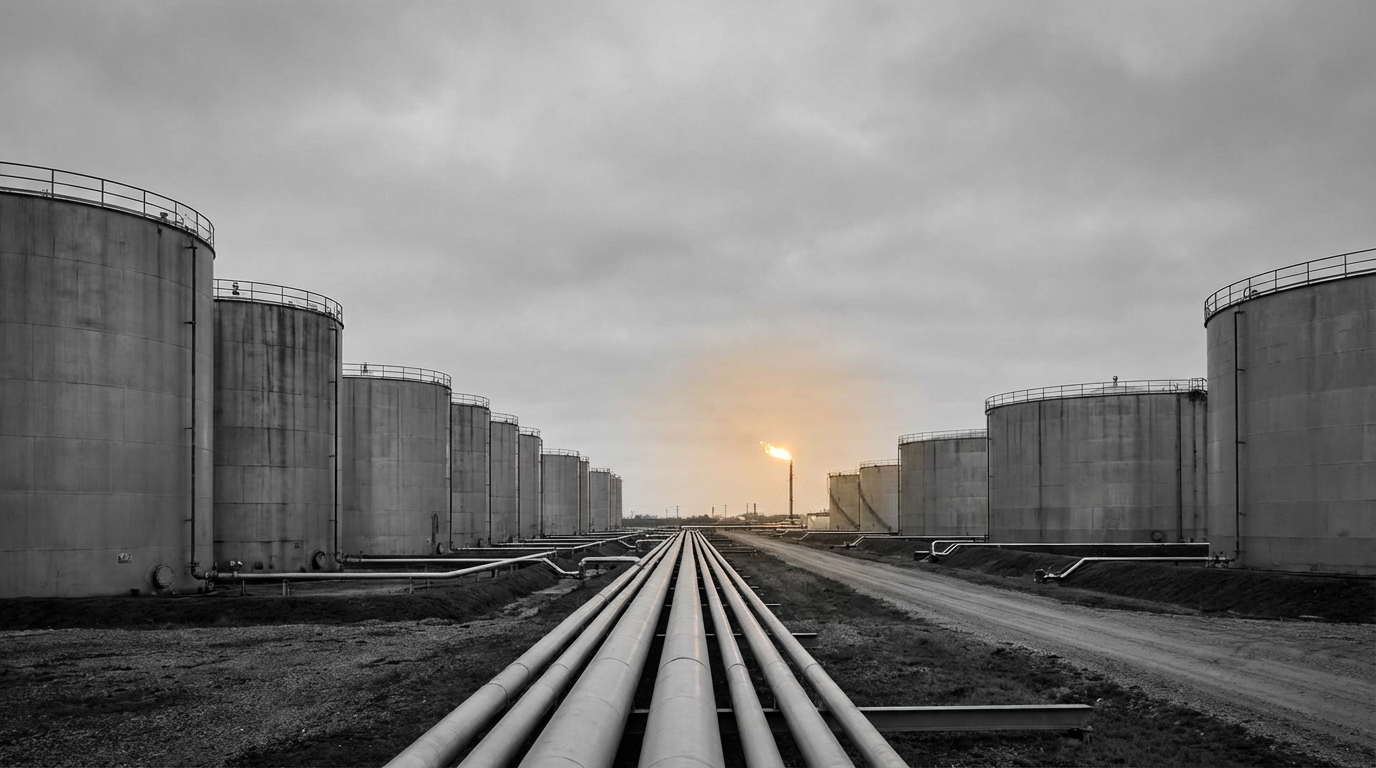
Japan will draw on its strategic oil reserves for an additional 20 days starting in early May , a step Prime Minister Sanae Takaichi announced as the government seeks to steady energy markets amid heightened volatility. Officials framed the move as a near-term buffer intended to limit sharp price swings for households and companies.
The decision was presented as a direct response to the ongoing conflict in the Middle East, which officials said has disrupted global supply chains. The government said that, despite a recent conditional cease-fire agreement between the United States and Iran, shipping conditions have not returned to normal, leaving energy logistics exposed to sudden interruptions.
A central pressure point cited by the administration is the Strait of Hormuz, described as facing near-total disruption in traffic. Officials pointed to the strait’s role as a key corridor for global energy shipments and said the blockage has tightened supply conditions. They also said the effects are not limited to fuel, noting knock-on risks for the movement of other essential goods, including fertilizers, with potential for broader economic disruption.
Japan’s exposure is amplified by its import profile. The government noted that the Middle East accounts for over 90% of Japan’s crude oil imports, making the country particularly sensitive to geopolitical shocks in the region. The Takaichi administration said it is pursuing a multi-pronged approach to strengthen national energy security, pairing the reserve release with efforts to reduce reliance on a single source region.
Alongside the reserve draw, Tokyo said it is moving to diversify supply. The government’s stated objective is to secure more than half of Japan’s oil procurement from alternative sources in May, representing a substantial increase compared with figures from the previous year. Officials said the push includes identifying new suppliers and developing more resilient shipping routes designed to bypass conflict-prone areas.
Prime Minister Takaichi said the plan is progressing and linked it to longer-term continuity of supply. “We are on track to secure Japan’s oil supply well into next year,” she said. The government presented the reserve release as temporary support, while describing diversification and route adjustments as the core of its longer-term strategy.
For global markets, the announcement underscores how disruptions around major maritime chokepoints can transmit quickly into energy pricing and freight conditions. Officials did not specify how quickly shipping operations might normalize, leaving uncertainty around the duration of supply tightness and the extent to which diversification targets can be met on the stated timeline.