Péter Magyar won the elections in Hungary: The Orbán era is over.
Péter Magyar wins Hungary’s 2026 election as Tisza secures a majority, ending Viktor Orbán’s Fidesz-KDNP rule that began in 2010.
Lauren Collins ·
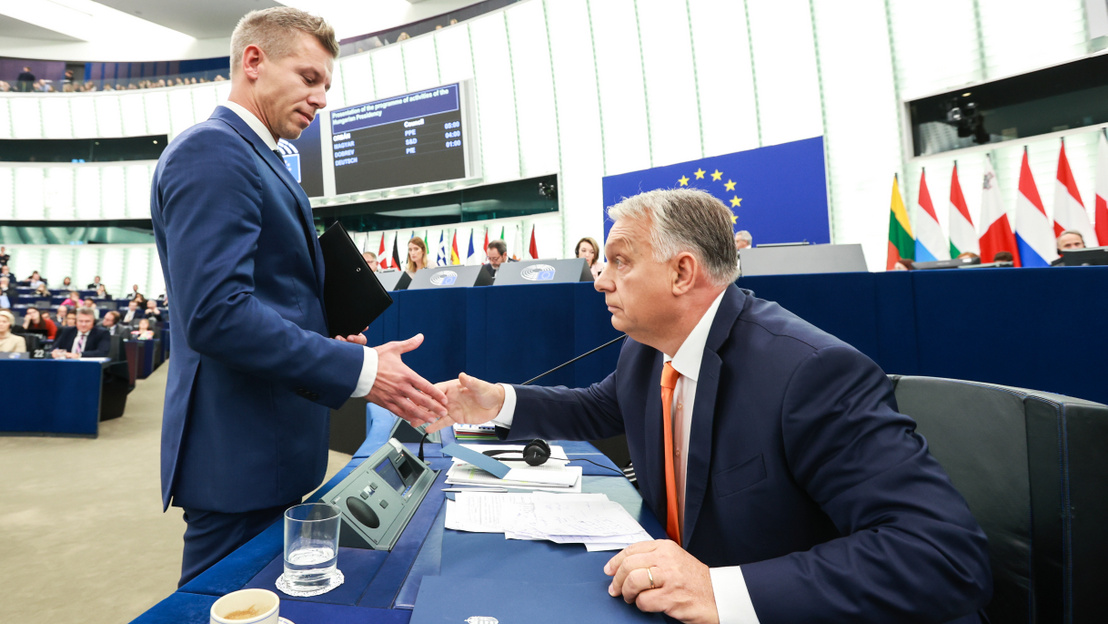
Péter Magyar and his Tisza Party have won Hungary’s 2026 general election , according to official results cited in the source material. The results indicate the party secured a parliamentary majority , giving it enough seats to form a government without coalition partners and positioning Magyar to become the country’s next prime minister. The outcome marks a major change in Hungary’s political direction after years of continuity in national leadership.
The defeat ends the governing run of Viktor Orbán and his Fidesz-KDNP alliance, which has held power since 2010 . Orbán has been among Europe’s longest-serving leaders and promoted a model he described as an “illiberal democracy,” a stance that repeatedly placed Budapest in conflict with European Union institutions. The source material says his government drew criticism over the rule of law, media freedom, and judicial independence, issues that remained prominent through the election period.
Magyar’s campaign, as described in the source, centered on pledges to dismantle corruption, reinforce democratic institutions, and repair strained ties with the European Union . Those themes intersected with the long-running disputes between Hungary and EU bodies over political values and funding, which the source identifies as a central backdrop to the vote.
The election result therefore carries significance beyond domestic politics, because it signals a potential shift in how Hungary engages with European partners.
With Magyar expected to lead the next government, attention is now on how quickly the new administration moves to reshape governance at home. The source says analysts anticipate a stronger emphasis on transparency and democratic accountability, alongside efforts to rebuild trust in public institutions that were reshaped under Fidesz. Any early legislative and administrative steps will be closely scrutinized for how they translate campaign commitments into policy and institutional practice.
Internationally, European capitals are watching Budapest for indications of a reset in Hungary’s approach to EU cooperation. The source states that Magyar’s victory is widely expected to produce a more cooperative and predictable relationship with the EU and could help address years of disputes tied to funding and political standards. However, the precise direction and pace of change remain uncertain until the new government sets out its priorities and begins implementing its first decisions.