Powell’s Fed Tenure Defined by Pandemic-Era Crisis Response
Jerome Powell's Fed chairmanship (2018-present) navigated pre-pandemic growth, COVID-19 response, and inflation challenges.
Atlas Newsdesk ·
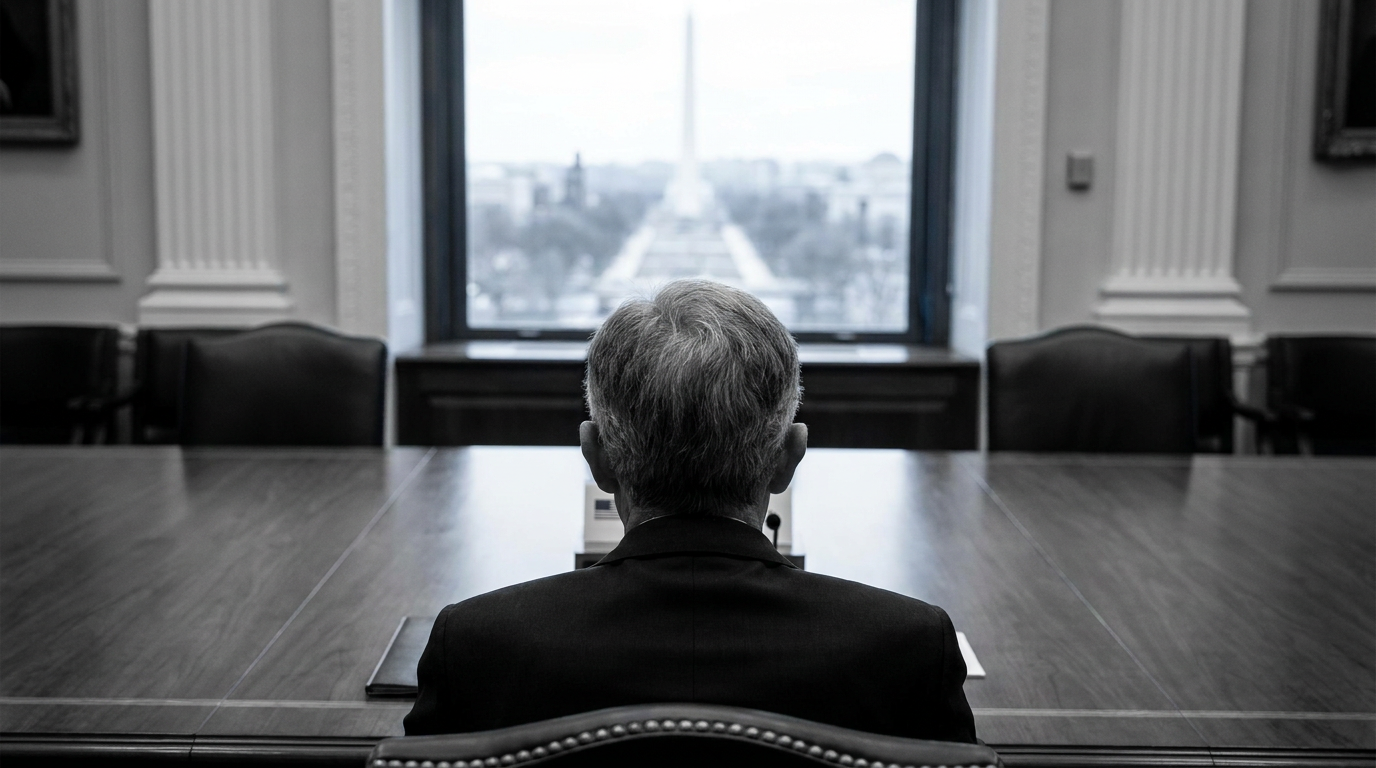
Federal Reserve Chair Jerome Powell, who began leading the U.S. central bank in February 2018, has faced major economic disruptions and sharp shifts in monetary policy during his tenure. Powell, appointed by former President Donald Trump, initially took over as the economy was expanding and unemployment was low. That backdrop supported the Fed’s early continuation of gradual interest rate increases.
In his first years in the role, the Fed’s main focus was normalizing monetary policy after the 2008 financial crisis. That path changed abruptly with the onset of the COVID-19 pandemic in early 2020, as financial markets seized up and the economy contracted.
Under Powell, the Fed cut interest rates to near zero, launched large-scale asset purchases, and set up emergency lending facilities aimed at stabilizing markets and supporting the broader economy. Those measures were designed to limit the downturn and reduce the risk of a deeper recession.
Emergency measures and balance-sheet expansion
The pandemic response led to a rapid expansion of the Fed’s balance sheet and helped drive a period of ultra-low borrowing costs. The article describes those steps as contributing to a swift recovery from the initial shock of 2020.
It also links the extended period of easy financial conditions to inflationary pressures that emerged in late 2021 and continued into 2022. The article places the most intense phase of the Fed’s crisis-era interventions from early 2020 through 2022.
Shift to fighting inflation
After inflation pressures intensified, the Fed pivoted toward restraining price growth by raising interest rates, reversing the near-zero policy stance adopted at the start of the pandemic. That shift marked a new phase of Powell’s tenure, as the central bank moved from supporting a recovery to tightening financial conditions.
Investors and policymakers continue to watch how the Fed balances inflation risks with the goal of sustaining economic growth, with future decisions expected to remain closely tied to incoming data.