Pope urges Angola to fight corruption with justice
Pope Leo XIV told Angolans in Luanda on Friday to fight corruption with justice, warning it harms public services, equality, and stability.
Lauren Collins ·
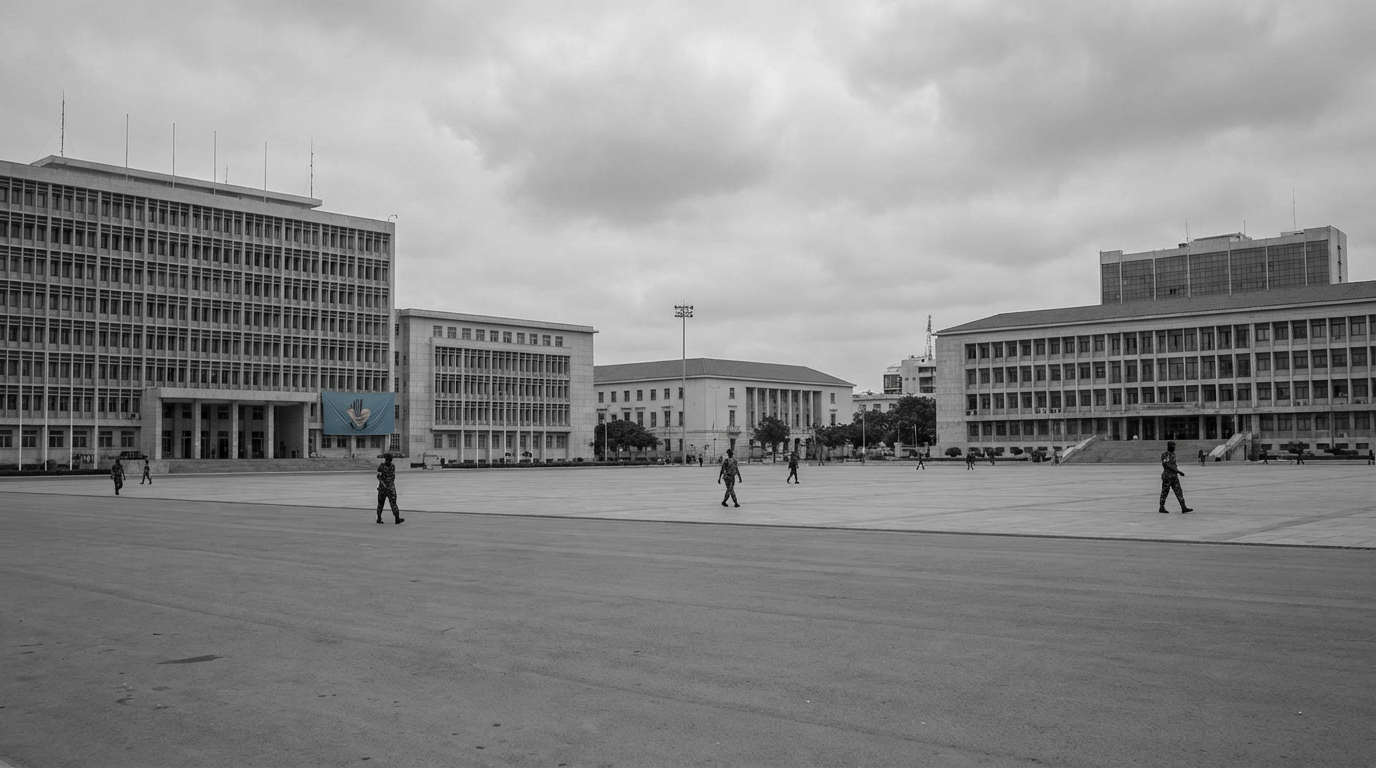
Pope Leo XIV on Friday called on Angolans to confront corruption through justice, delivering the appeal during an address in Luanda, Angola. He framed the issue as a direct obstacle to the country’s progress and urged a stronger commitment to ethical governance and transparency.
In his remarks, the pontiff said corruption weakens social development and helps sustain inequality. He also pointed to the way graft can erode public services, arguing that the damage extends beyond politics into everyday life and the broader economy.
The Pope emphasized judicial integrity and accountability as essential foundations for building a fair society. He linked those principles to the equitable distribution of resources, presenting the justice system’s credibility as a central factor in whether citizens can expect consistent enforcement and equal treatment.
Officials did not announce any specific policy steps alongside the address, but the Vatican’s message was presented as an effort to encourage action across Angola’s leadership landscape. The appeal was described as aimed at motivating both religious and secular leaders to pursue stronger anti-corruption measures.
Beyond Angola, the message aligned with the Catholic Church’s broader opposition to graft and its advocacy for social justice in developing nations. The Vatican’s stance, as reflected in the address, positions corruption as a governance challenge with social and economic consequences, rather than a narrow legal issue.
For markets and public finance, the Pope’s focus on transparency and accountability underscores themes that investors and international partners often track when assessing institutional strength and policy credibility. The address also highlighted how corruption can affect economic stability, suggesting that governance standards and the reliability of public services remain closely tied to confidence in long-term development.
Key uncertainties remain, including whether the appeal will translate into concrete reforms, enforcement actions, or measurable changes in public-sector practices. The Vatican’s intervention sets a clear moral and institutional benchmark, but the timing and scope of any follow-through by Angolan institutions were not specified in the remarks.