Israeli Airstrikes Target Medics in Lebanon
Israel airstrikes in Mayfadoun, Lebanon on April 16 killed four medics and injured six, Lebanese officials said; Israel cited past claims.
Lauren Collins ·
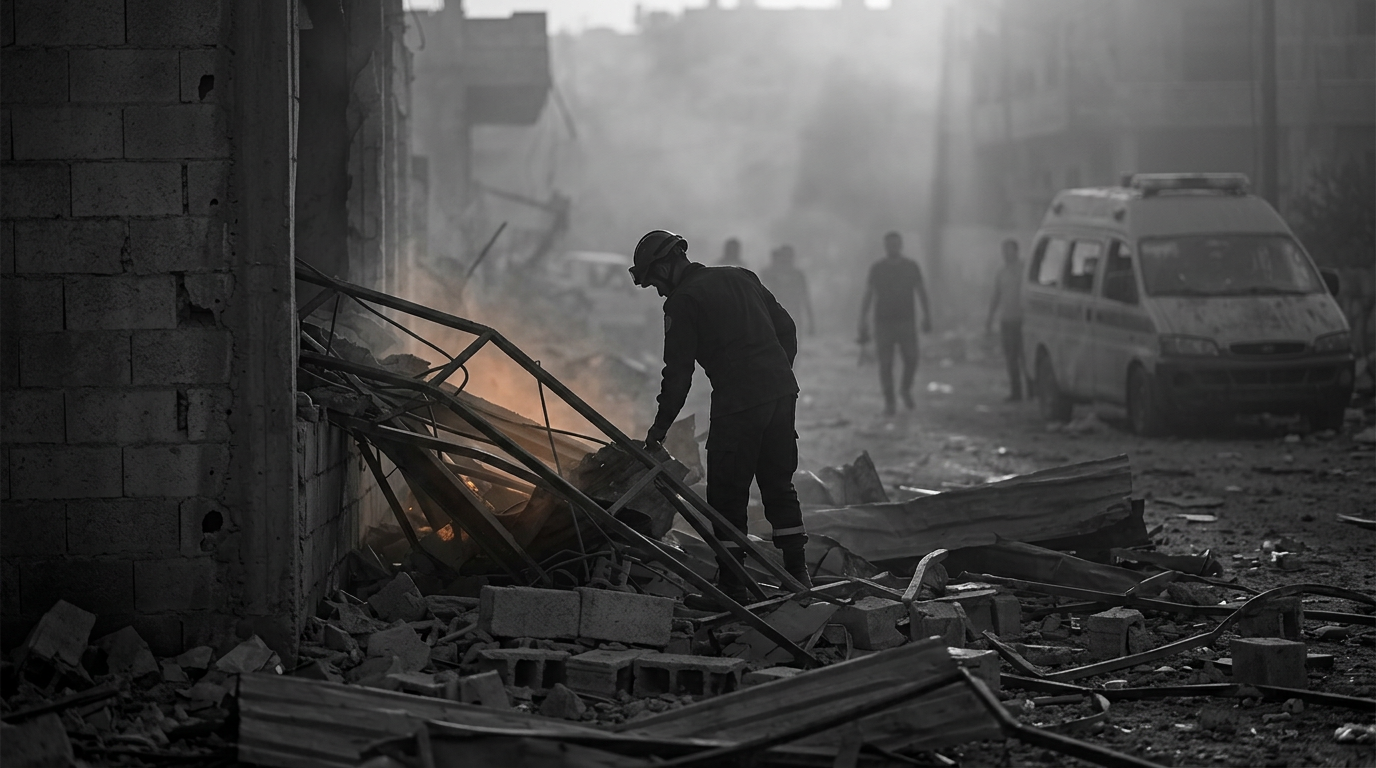
Israeli airstrikes in southern Lebanon on Wednesday, April 16, hit emergency responders in Mayfadoun, killing four medics and injuring six others, according to Lebanese rescuers and health authorities. The casualties came from three separate ambulance services, officials said.
Lebanese rescuers described the sequence as a “quadruple tap,” saying an initial strike was followed by three additional attacks that hit medical personnel and ambulances as they responded. Paramedics from the Islamic Health Association (IHA) were dispatched after the first Israeli strike, rescuers said.
When other emergency workers arrived, they found the IHA medics had been struck by a second attack, according to the same accounts. As teams attempted to evacuate wounded colleagues, their ambulances were then hit in two further strikes, rescuers said. Among those killed was Fadel Sarhan, 43, from the Nabatieh emergency services.
The Lebanese Ministry of Health condemned the incident, saying paramedics had become direct targets and describing the strikes as a violation of international humanitarian law. The ministry’s statement framed the attacks as part of a broader pattern affecting medical workers operating in the area.
Since March 2, Israeli operations in Lebanon have reportedly killed 91 healthcare workers and wounded 214, according to the figures cited in the source material. Those numbers, if confirmed, point to sustained risks for emergency services and the wider health system in areas affected by cross-border hostilities.
Israel has previously accused Hezbollah of using ambulances and hospitals for military purposes. However, officials did not immediately provide specific evidence for such claims in relation to the Mayfadoun incident, according to the source material.
Uncertainties remain around the operational details of the strikes, including the basis for targeting decisions and whether any military activity was present at the locations hit. The incident is likely to intensify scrutiny of protections for medical personnel and transport during conflict, as well as the handling of allegations involving the misuse of civilian medical infrastructure.