US Warns Iran: Hormuz Blockade Means Force
U.S. threatens force to enforce a Strait of Hormuz blockade during an April 8 ceasefire; officials say 13 ships turned back.
Lauren Collins ·
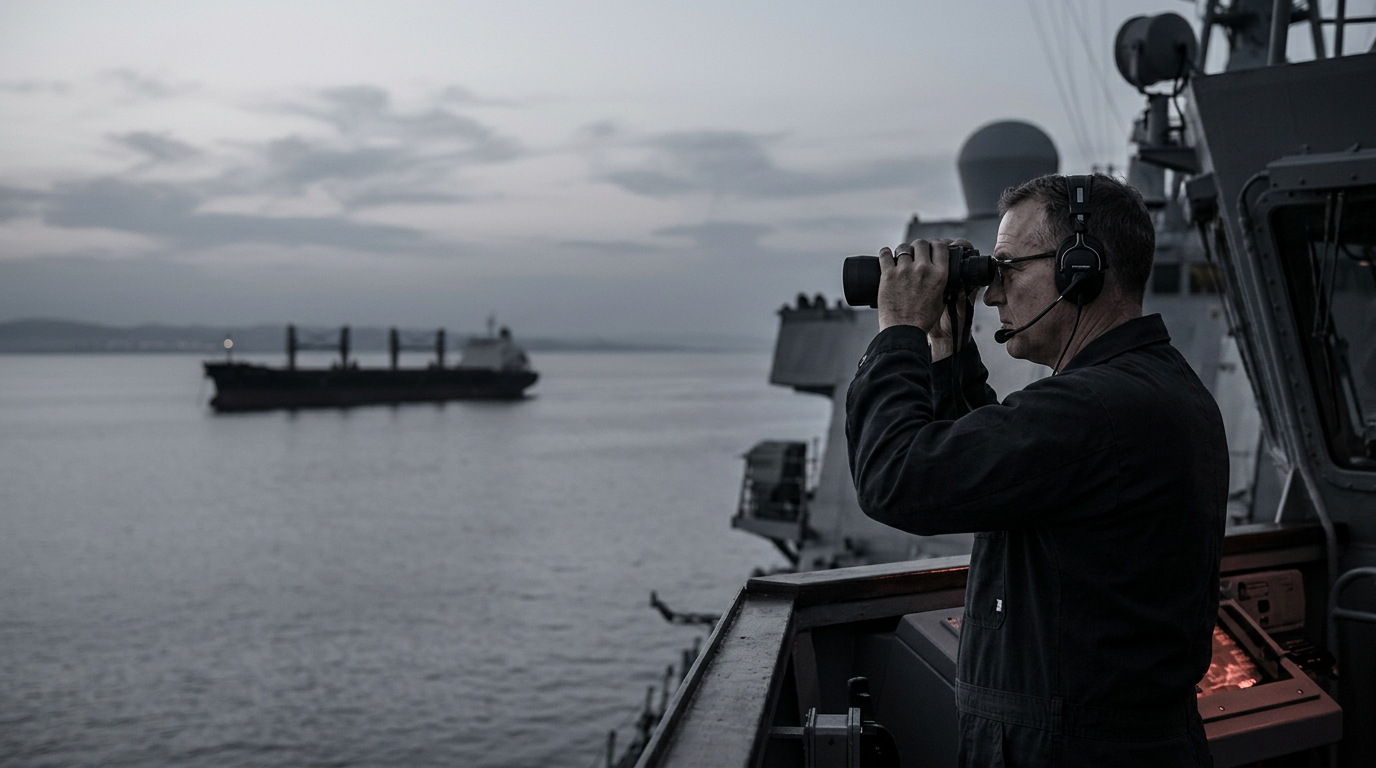
U.S. officials said on Thursday that the United States will use force against any vessels that do not comply with its naval blockade in the Strait of Hormuz. The statement was delivered by Defense Secretary Pete Hegseth alongside Chairman of the Joint Chiefs of Staff Gen. Dan Caine, as a two-week ceasefire in the conflict with Iran remains in place.
Gen. Caine said the U.S. began enforcing the blockade on Monday, operating in the Gulf of Oman immediately outside the Strait of Hormuz. He added that 13 ships have already turned around to avoid a confrontation. Officials said U.S. forces are maintaining readiness for major combat operations if required, even as the ceasefire continues.
Officials said the blockade applies to all ships, regardless of nationality, traveling to or from Iranian ports. Secretary Hegseth said the action is intended to prevent Iran from acquiring nuclear weapons. The announcement came as negotiations for a peace deal continue, though officials said those talks have not yet produced an agreement.
Iran has previously threatened to sink U.S. ships and to close the Red Sea in response to such blockades, according to the account provided. The current ceasefire began on April 8, and officials said transits through the Strait of Hormuz have remained below pre-conflict levels during this period.
For global markets , the Strait of Hormuz is a critical maritime chokepoint, and official statements about enforcement actions can influence risk assessments tied to shipping, insurance, and energy-linked trade flows. The U.S. position, as described by officials, sets a clear compliance requirement for commercial operators moving to or from Iranian ports, while also signaling that military readiness remains in place despite the ceasefire.
Key uncertainties remain around whether negotiations will produce a peace deal and how maritime traffic patterns will evolve while transits stay below pre-conflict levels. Officials did not announce an agreement, and the situation continues to hinge on compliance at sea and the durability of the ceasefire.