Atlantic Ocean Current Weakens at Alarming Rate
Atlantic Ocean current AMOC is projected to weaken 43%–58% by 2100, a study says, exceeding average model projections by 60%.
Lauren Collins ·
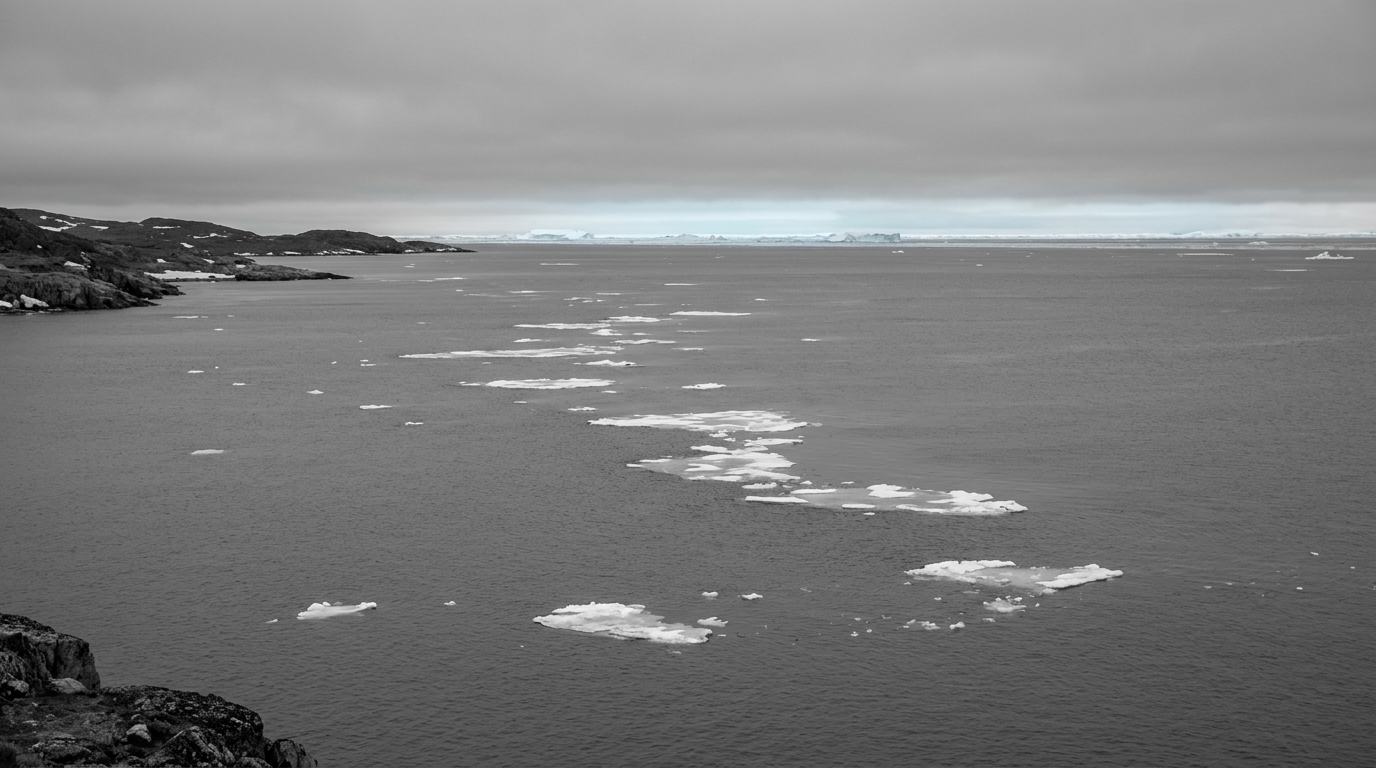
A study published Wednesday in Science Advances reports that the Atlantic Meridional Overturning Circulation (AMOC) is projected to weaken by 43% to 58% by 2100 . The researchers reached this range by comparing climate model outputs with real-world observational data, aiming to narrow uncertainty around how quickly the system may slow.
The study says the projected slowdown is larger than what average climate models have typically suggested. According to the findings, the observationally constrained estimate exceeds those average model projections by 60% , indicating a faster and more pronounced weakening than earlier central estimates.
AMOC is described in the study as a major Atlantic Ocean circulation system that moves water and helps redistribute heat from the tropics toward the Arctic. The research attributes the weakening primarily to human-induced climate change, framing the circulation change as part of broader climate-driven shifts in ocean conditions.
The study outlines potential consequences if the AMOC experiences a substantial slowdown or collapse. It links such an outcome to global climate disruptions, including significant sea-level rise along the U.S. East Coast , stronger storms, and changes in the tropical rain belt that could contribute to widespread droughts and floods.
The research team was led by Valentin Portmann of the Inria Centre de recherche Bordeaux Sud-Ouest . The authors said they used observational constraints to refine projections from climate models, and reported that their analysis achieved a 90% probability for the constrained result.
The paper’s conclusions are presented as consistent with other recent work referenced in the report. That separate research, published last week, analyzed measurements of water temperature, salinity, and ocean current velocity dating back to 2004 , and found evidence of a persistent AMOC weakening across multiple latitudes over the past two decades.
For global markets and policymakers, the study’s central uncertainty is not whether the AMOC is weakening in these assessments, but how quickly and how far the slowdown progresses within the century. The authors’ approach—using observations to constrain model projections—highlights how new data and methods can shift the expected range of outcomes, which can matter for long-term planning tied to coastal risk, extreme weather exposure, and climate-related disruptions.