Pentagon Fortifies Bases Against Climate Threats
Pentagon base resilience projects continue, including Tyndall rebuild after 2018 Hurricane Michael, with 70% completion projected next year.
Lauren Collins ·
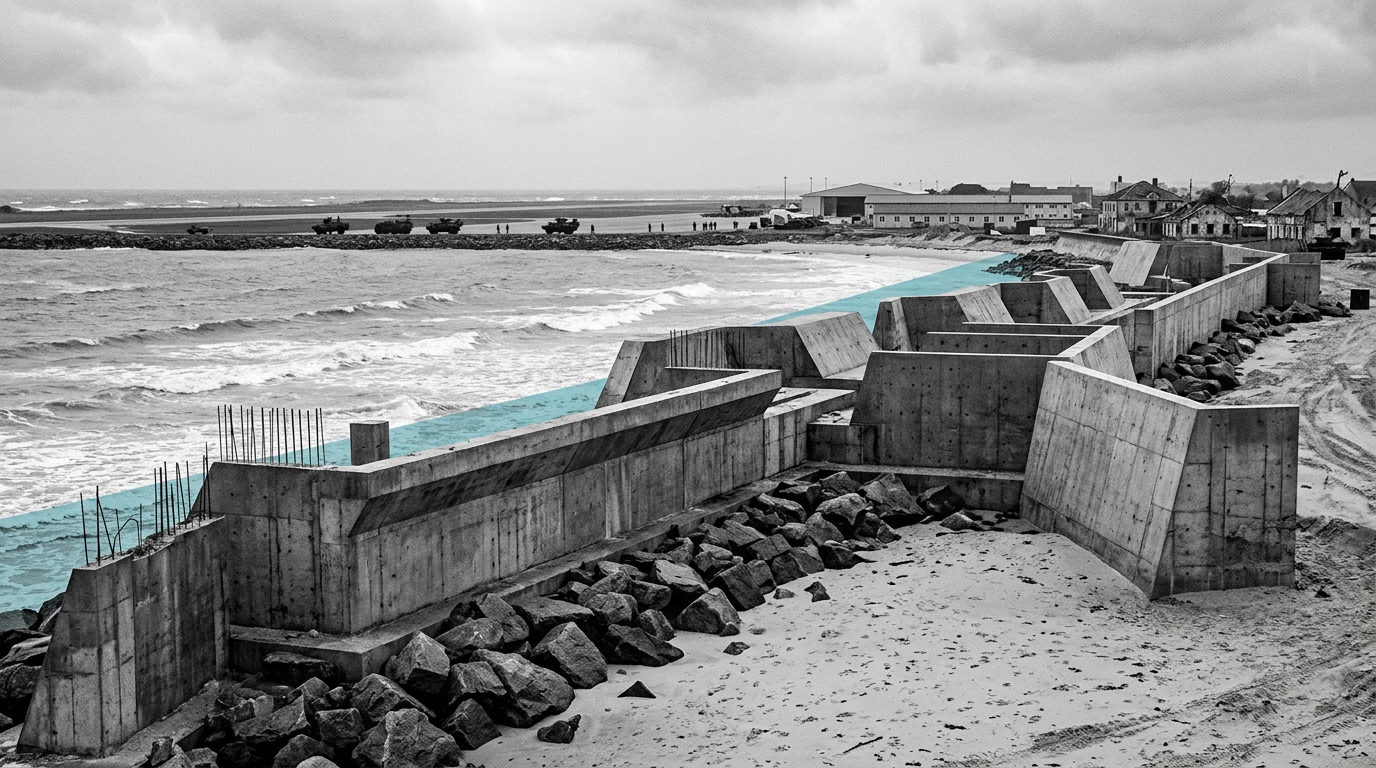
WASHINGTON — The U.S. Department of Defense is moving forward with major infrastructure resilience work across several military installations, even as recent policy shifts place less emphasis on climate-change terminology. Officials have continued to prioritize physical upgrades intended to protect bases and preserve operational readiness in the face of storms, flooding, and other hazards.
A central effort is the rebuilding of Tyndall Air Force Base in Florida after it was heavily damaged by Hurricane Michael in 2018. The reconstruction plan includes design choices aimed at reducing future risk, including elevating buildings to account for sea-level rise and using roof systems engineered to handle high wind speeds.
The initiative is projected to be 70% complete next year, marking a key milestone in one of the Defense Department’s most prominent recovery and modernization programs.
Resilience construction is also underway at other sites. At the U.S. Naval Academy, work includes building flood walls intended to reduce exposure to high water events. In Virginia, runway elevation projects are being pursued to limit disruption from flooding and related impacts, reflecting a broader push to harden critical infrastructure that supports training, logistics, and day-to-day operations.
While the language around climate change has been de-emphasized in some recent policy framing, the Defense Department’s continued investment in physical adaptations underscores an operational focus on protecting assets and ensuring continuity. The projects described are positioned as practical measures to reduce damage, shorten recovery time after disasters, and keep mission-essential facilities functioning.
Legislative support is also cited as reinforcing these efforts. The 2026 National Defense Authorization Act includes measures such as enhancing wildfire response and increasing disaster replacement cost limits. Those provisions align with the Defense Department’s need to repair and replace infrastructure after extreme events, and they reflect broader concerns about the vulnerability of federal assets to coastal flooding and storms.
The underlying risk is not limited to a single installation. A substantial portion of federal assets exposed to coastal flooding and storms belongs to the Defense Department, according to the information provided. That exposure makes resilience spending a recurring budget and readiness issue, particularly for facilities located near coastlines or in areas prone to severe weather.