Mideast Oil Crisis Chokes Asia's Plastic Supply
Asian plastic supply is disrupted by Middle East oil crisis, causing price hikes and production cuts, with macroeconomic implications for the region.
Lauren Collins ·
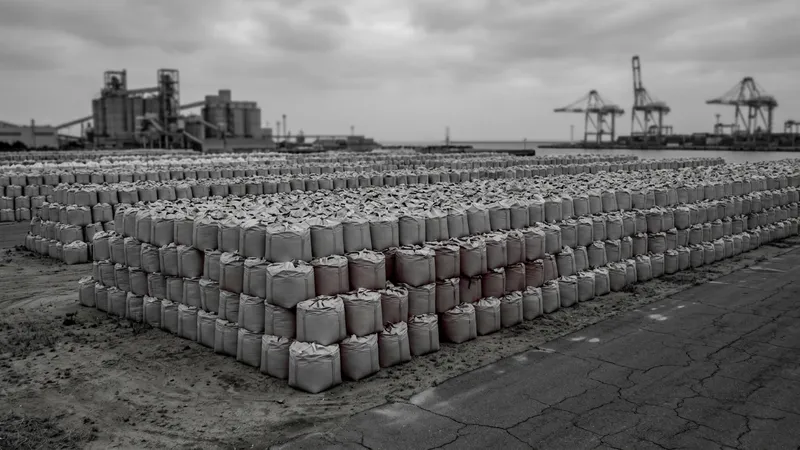
Asian manufacturers are experiencing significant disruptions in plastic packaging supplies, leading to price increases and potential shortages. This situation stems from constrained naphtha availability due to reduced oil shipments from the Middle East.
Naphtha, a petroleum product crucial for plastic production, has seen its price in Asia nearly double since the onset of the crisis. This directly impacts the cost and availability of various plastic products, including packaging for food, medical supplies, and consumer goods.
Indonesia, a major consumer of plastic, faces warnings from suppliers about potential production halts due to naphtha scarcity. Japan, which sources a significant portion of its naphtha and crude oil from the Middle East, has seen petrochemical plants reduce or halt output.
Several petrochemical companies, including Indonesia's Chandra Asri and Japan's Mitsubishi Chemical and Mitsui Chemicals, have declared force majeure due to sourcing difficulties. Japanese ethylene producers are operating at a record low of 68.6% capacity.
This situation is expected to exacerbate inflationary pressures across Asia, particularly impacting the food and beverage, cosmetics, and pharmaceutical sectors. Indonesia has responded by scrapping import duties on key plastic packaging materials to mitigate price increases and support consumer spending.
Some Asian economies are exploring alternative naphtha sources and promoting paper packaging. While Japan indicates sufficient current stock, the long-term impact on supply chains and regional economies remains a concern.