Pakistan Mediation Sees Iran Mull Two-Week Ceasefire
Pakistan mediation has Iran weighing a two-week ceasefire plan tied to Hormuz shipping access and a US pause on new sanctions.
Lauren Collins ·
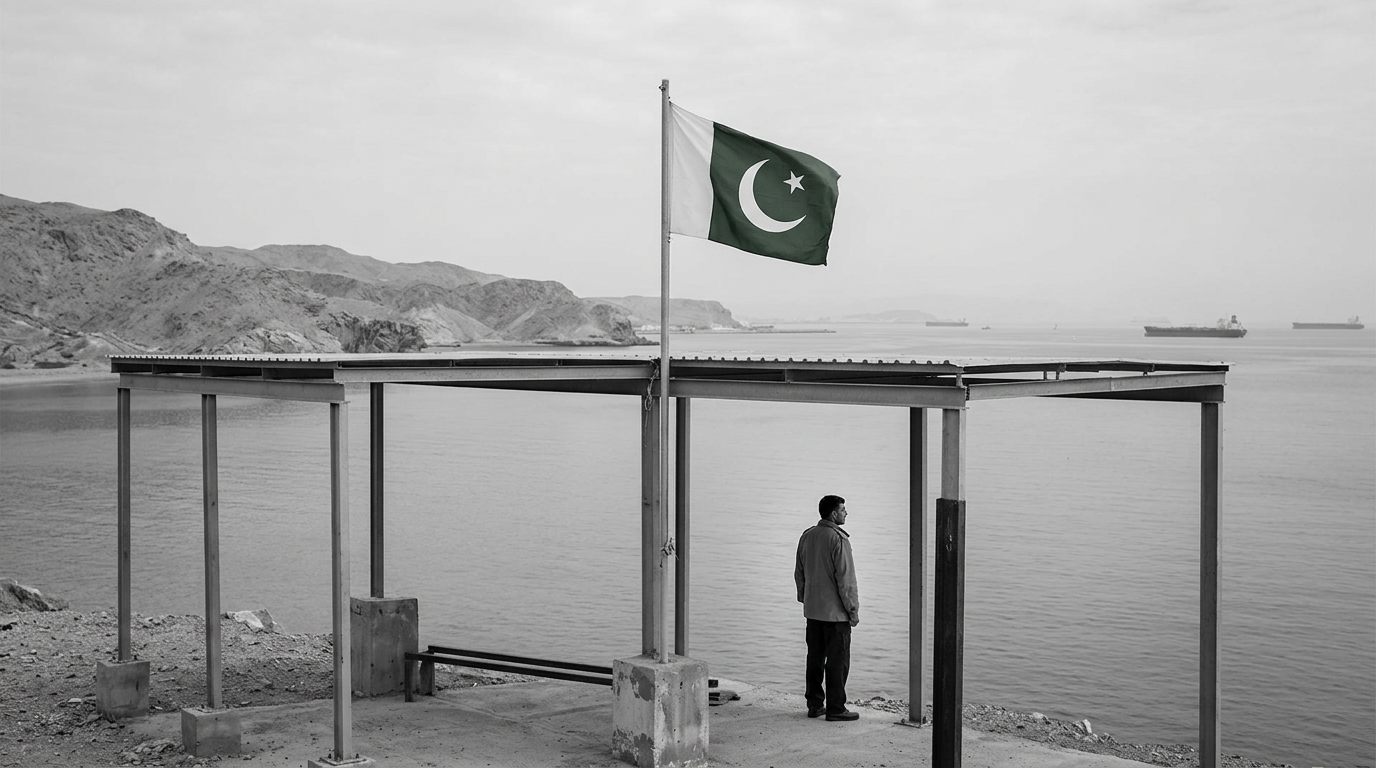
Iran is considering a Pakistani proposal for a two-week ceasefire designed to reduce tensions with the United States, according to reports that cited diplomatic sources. Those sources said Tehran is “positively reviewing” the framework, which is intended to create a short diplomatic opening after months of heightened pressure and military signaling in the Persian Gulf.
The initiative was presented by Pakistan’s Prime Minister during recent mediation efforts aimed at preventing a wider regional conflict. Pakistan has sought to position itself as a neutral facilitator, drawing on its ties with Iran and its relationships with key US-aligned regional players, including Saudi Arabia.
Under the reported outline, the steps would be reciprocal and time-limited. Iran would be asked to guarantee safe and unimpeded passage for international shipping through the Strait of Hormuz for two weeks. In return, the United States would be expected to refrain from introducing new punitive measures or sanctions against Iran for the same two-week period.
The proposal’s central aim is to create a defined window in which diplomacy can proceed without additional escalation. The Strait of Hormuz is described as strategically vital and has been a focal point of the standoff, with international concern centered on ensuring continued access for global shipping and energy flows.
The mediation effort comes amid enduring friction that intensified after the United States withdrew in 2018 from the Joint Comprehensive Plan of Action (JCPOA), the 2015 Iran nuclear deal. Following the withdrawal, Washington reinstated and expanded economic sanctions as part of a “maximum pressure” campaign intended to push Tehran toward negotiations on new terms.
Iran has repeatedly said it will not negotiate while sanctions remain in place and has demanded that the United States return to the 2015 agreement first. The broader stalemate has coincided with hostile incidents in the Gulf, including attacks on oil tankers and the downing of a US drone, which have fueled international fears of direct military confrontation.
Pakistan’s diplomatic push has also included outreach between Tehran and Riyadh, as officials seek to lower regional tensions that have been elevated following attacks on Saudi oil infrastructure. The reported ceasefire concept is framed as a narrow off-ramp rather than a comprehensive settlement.
No formal agreement has been announced, and the reports indicate the outcome will depend on whether leaders in Tehran and Washington accept even a temporary pause and engage with diplomatic overtures. For markets and governments watching the Gulf, the key uncertainty remains whether the proposed guarantees and restraint measures can be implemented and sustained beyond the initial two-week period.