Iran Conflict Reignites Energy Barter Amid Shortages
Iran conflict-driven shortages are reviving energy barter talks as the IEA warns of record energy-security risks on March 23, 2026.
Lauren Collins ·
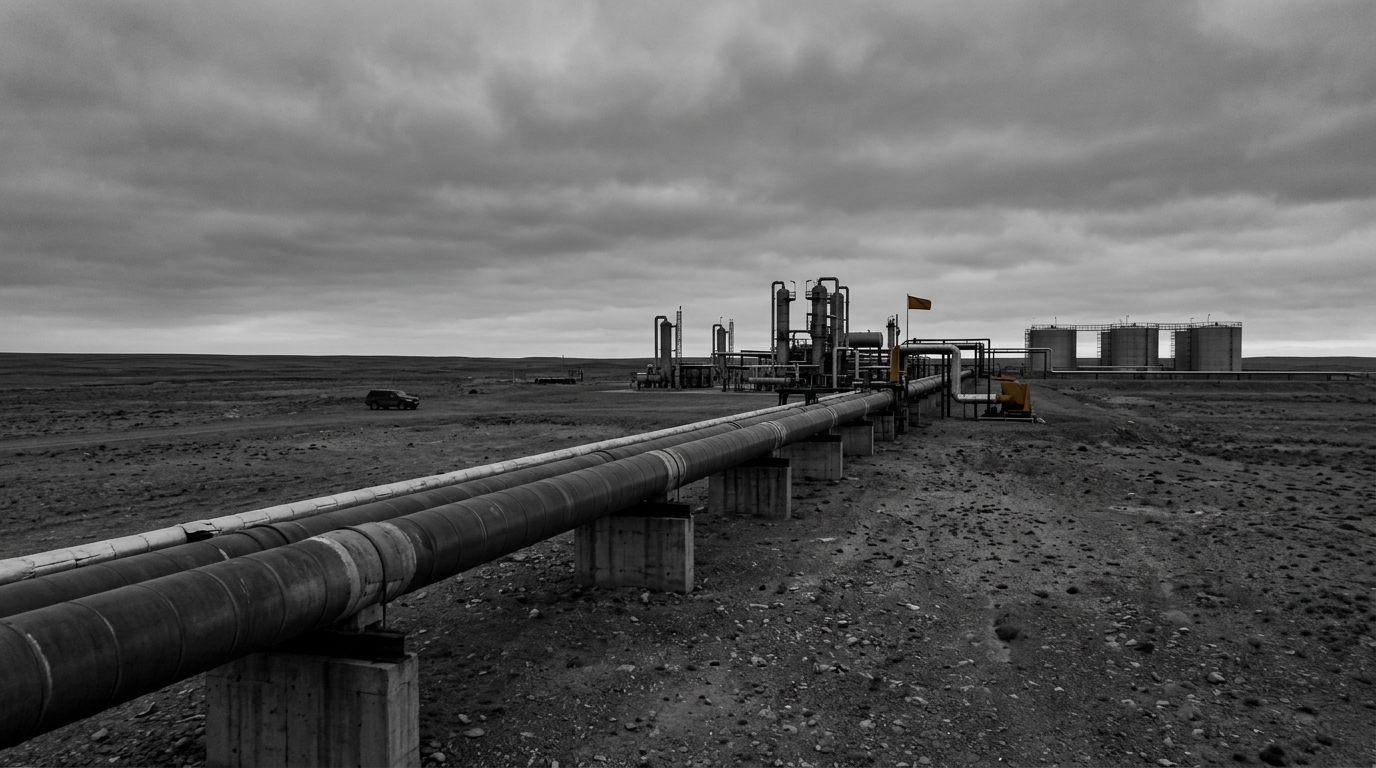
Governments are weighing energy-for-energy swap arrangements as the conflict involving the U.S.-Israeli alliance and Iran disrupts global fuel flows. The discussion is being framed as a way to keep critical imports moving if conventional trade channels tighten under supply stress.
On March 23, 2026, International Energy Agency (IEA) Executive Director Fatih Birol said in Canberra, Australia, that the fighting represents what he described as the largest threat to energy security on record. He linked that assessment to sharp declines in the availability of oil and natural gas tied to the Middle East crisis.
Scale of the supply shock
The conflict has taken about 11 million barrels per day of oil off the global market, a disruption Birol compared with the 1970s oil shocks, saying the current hit is roughly twice as large. He also cited the loss of 140 billion cubic meters of natural gas, which he said is close to double the reduction seen after Russia’s 2022 invasion of Ukraine.
Some of the damage may be long-lasting. QatarEnergy CEO Saad al-Kaabi said repairs to affected infrastructure could require as long as five years, including impacts to 17% of Qatar’s liquefied natural gas (LNG) production capacity attributed to Iran.
Policy response: supply measures and demand restraint
The IEA is working with countries including Mexico and Canada on near-term steps aimed at lifting output, including delaying refinery maintenance. The agency has also issued a 10-point demand-reduction plan that includes encouraging remote work and lowering driving speeds.
These measures reflect a dual-track approach: increase usable supply where possible while reducing consumption to stretch available barrels and molecules. How quickly such steps translate into meaningful relief remains uncertain, particularly where maintenance delays could create operational risks later.
Energy barters enter the conversation
Australia is considering using its large LNG and coal export position to help secure continued oil imports from trading partners such as China and Malaysia. The concept is effectively a barter-style arrangement, using one set of energy exports to support access to another fuel that is in tighter supply.
The same template could appeal to other major exporters, with Indonesia cited as a potential adopter. However, the approach carries risks flagged in the discussion: it could intensify protectionist behavior, add uncertainty to cross-border supply, and contribute to higher global energy prices.