FIFA World Cup 2026: Security concerns grow in US as funding stalls
The U.S. government has released $625 million in federal security grants for the FIFA World Cup 2026 after delays, addressing critical security concerns.
Lauren Collins ·
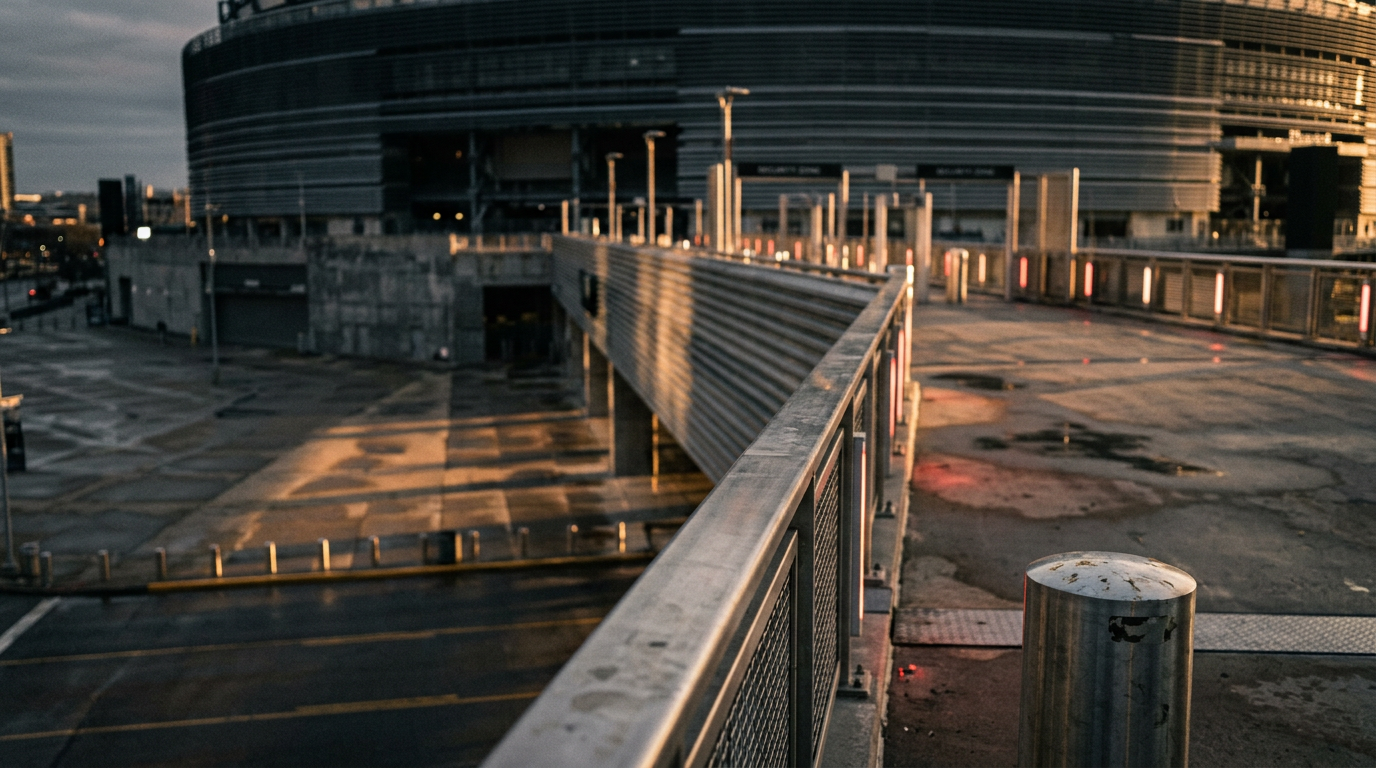
The United States government has released $625 million in federal security grants for the upcoming FIFA World Cup 2026. This allocation, announced by the Federal Emergency Management Agency (FEMA) on Wednesday, March 19, 2026, follows earlier delays in funding disbursement that had prompted concerns among event organizers and security officials. , Canada, and Mexico.
Intelligence assessments from U.S. federal and state agencies, alongside FIFA, have previously identified various security risks. These include potential threats from extremist groups and criminal organizations, with specific warnings regarding attacks on transportation networks and the possibility of civil unrest during the event. The timely release of these funds is critical for addressing these identified vulnerabilities.
Funding Delays and Security Concerns
The disbursement of these federal grants had faced delays, which became a point of concern for officials responsible for event security. The funding was part of a Republican-backed spending bill enacted in July 2025. The typical process for distributing such grants and procuring necessary security technology and equipment often requires several months, according to Mike Sena, president of the National Fusion Center Association.
These delays had raised questions about the feasibility of implementing comprehensive security protocols within the remaining timeframe. For instance, a December 2025 intelligence report from New Jersey specifically highlighted potential threats to matches hosted in the state, citing domestic attacks and the spread of extremist propaganda. An earlier report from September 2025 also detailed online communications encouraging attacks on railroad infrastructure.
Operational Impact and Implementation Challenges
The $625 million allocation aims to mitigate these security risks by providing essential resources for host cities and states. However, the compressed timeline for deploying these funds and implementing the required security infrastructure presents an ongoing challenge. The World Cup, as a major global event, necessitates extensive coordination among various law enforcement agencies, emergency services, and international partners.
Previous major international sporting events in the U.S., such as the 1994 FIFA World Cup and the 1996 Atlanta Olympics, have demonstrated the complex security requirements involved. Lessons learned from these events, particularly regarding counter-terrorism and crowd control, are often integrated into planning for future large-scale gatherings. The 2026 tournament, with its expanded format and multiple host nations, adds layers of complexity to these security considerations.
Outlook for Host Cities
Host cities across the United States will now accelerate their security preparations, utilizing the newly released federal grants. These preparations typically involve enhanced surveillance, increased law enforcement presence, and advanced threat detection systems. The focus will be on ensuring the safety of athletes, officials, and millions of spectators expected to attend the matches.
The effectiveness of these measures will depend significantly on the rapid and efficient deployment of the allocated funds and resources.
Implications
Country Impact: The United States' ability to host large-scale international events safely is under scrutiny. The timely and effective deployment of these funds is crucial for national security and international reputation.
Industry Impact: The security industry, including technology providers and private security firms, will see increased demand for services and equipment. Transportation and hospitality sectors will also be impacted by enhanced security protocols.
Market Impact: While direct market impact is limited, successful security operations could bolster investor confidence in the U.S. as a stable environment for major global events. Conversely, any security lapses could have negative economic repercussions.