Oil Output Hike Looms Amid Hormuz Tensions
OPEC+ is expected to approve a theoretical output hike on April 5, 2026, as the Strait of Hormuz closure drives prices near $120.
Atlas Newsdesk ·
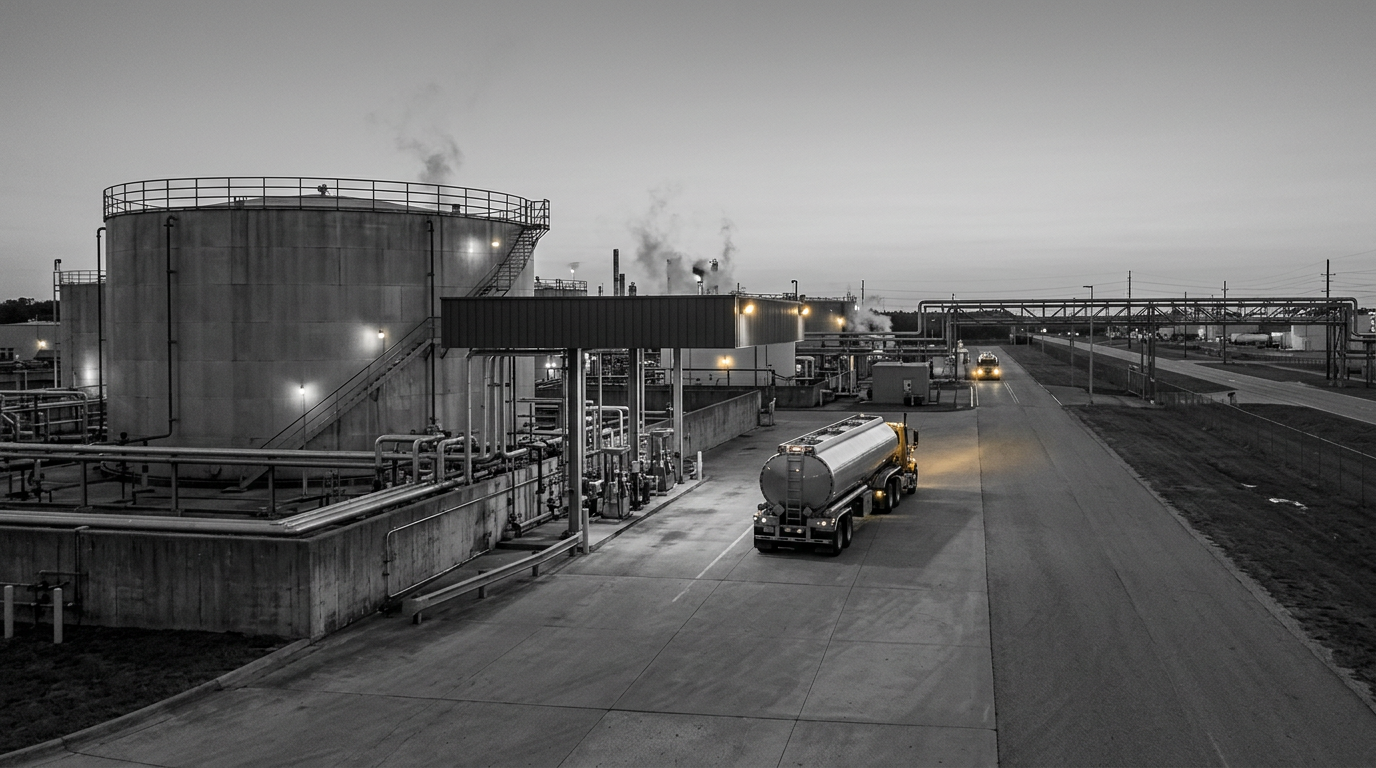
OPEC+ members are expected to approve a theoretical increase in oil output on Sunday, April 5, 2026, according to four sources within the group. The planned step comes as the global oil market faces a severe supply shock linked to the U.S.-Israeli war with Iran. Officials and sources said the conflict has effectively shut the Strait of Hormuz since late February, stopping oil traffic through a route widely described as the world’s most critical oil corridor.
Sources said the disruption is estimated to have removed 12 to 15 million barrels per day (bpd) from the market, described as up to 15% of global supply. The closure has coincided with a sharp rise in prices, with crude already climbing to nearly $120 a barrel, a four-year high. Projections cited in the source material indicate prices could move above $150 if the disruption continues into mid-May.
Despite the expected approval, the immediate effect on physical supply is expected to be limited. Several major OPEC+ producers that previously had capacity to raise output—Saudi Arabia, the UAE, Kuwait, and Iraq—are described as currently unable to increase production because the war has affected infrastructure. The sources said this constraint reduces the practical impact of any near-term decision to lift output targets.
Other OPEC+ members also face restrictions. Russia, according to the source material, is constrained by Western sanctions and by infrastructure damage tied to the conflict in Ukraine. With multiple producers limited at the same time, the proposed increase is framed as largely symbolic rather than a mechanism that can quickly replace barrels lost from the Strait of Hormuz disruption.
In that context, the expected decision is presented as a signal of intent: OPEC+ would be indicating readiness to raise production once the Strait of Hormuz reopens and once damaged infrastructure is repaired. The sources described the move as a way to communicate that additional supply could be brought forward when logistics and facilities allow, rather than as an immediate solution to the current shortfall.
For global markets, the episode underscores how quickly geopolitical conflict can translate into supply constraints and price volatility, particularly when a key transit route is disrupted. The uncertainty highlighted in the source material centers on timing—how long the Strait of Hormuz remains effectively closed, and how quickly infrastructure can be restored—both of which will shape whether the projected price path above $150 becomes relevant if disruptions persist into mid-May.