Half of Blind Patients Lack Cataract Surgery Access
Cataract surgery access remains out of reach for nearly half of people blinded by cataracts, with the biggest gap in Africa and lower access for women.
Ayla Demirhan ·
A recent study found that nearly half of people worldwide who are blind due to cataracts do not have access to the surgery needed to restore sight. Cataracts affect more than 94 million people globally, making the access gap a major public health challenge.
The study reported that global cataract surgery coverage has improved over time, but not fast enough to match rising need. Over the past two decades, coverage increased by 15%, yet demand has grown as populations age and cataract cases rise.
Coverage gains are not keeping pace with rising demand
Looking ahead, projections in the study point to an 8.4% increase in cataract surgery coverage during this decade. The study said that pace would still fall short of the World Health Assembly’s 2030 target, which calls for a 30% increase.
The gap between projected progress and the 2030 benchmark underscores a mismatch between health system capacity and the scale of need. The study linked the widening pressure on services to demographic change and a growing number of cataract cases.
Africa shows the largest shortfall in treatment
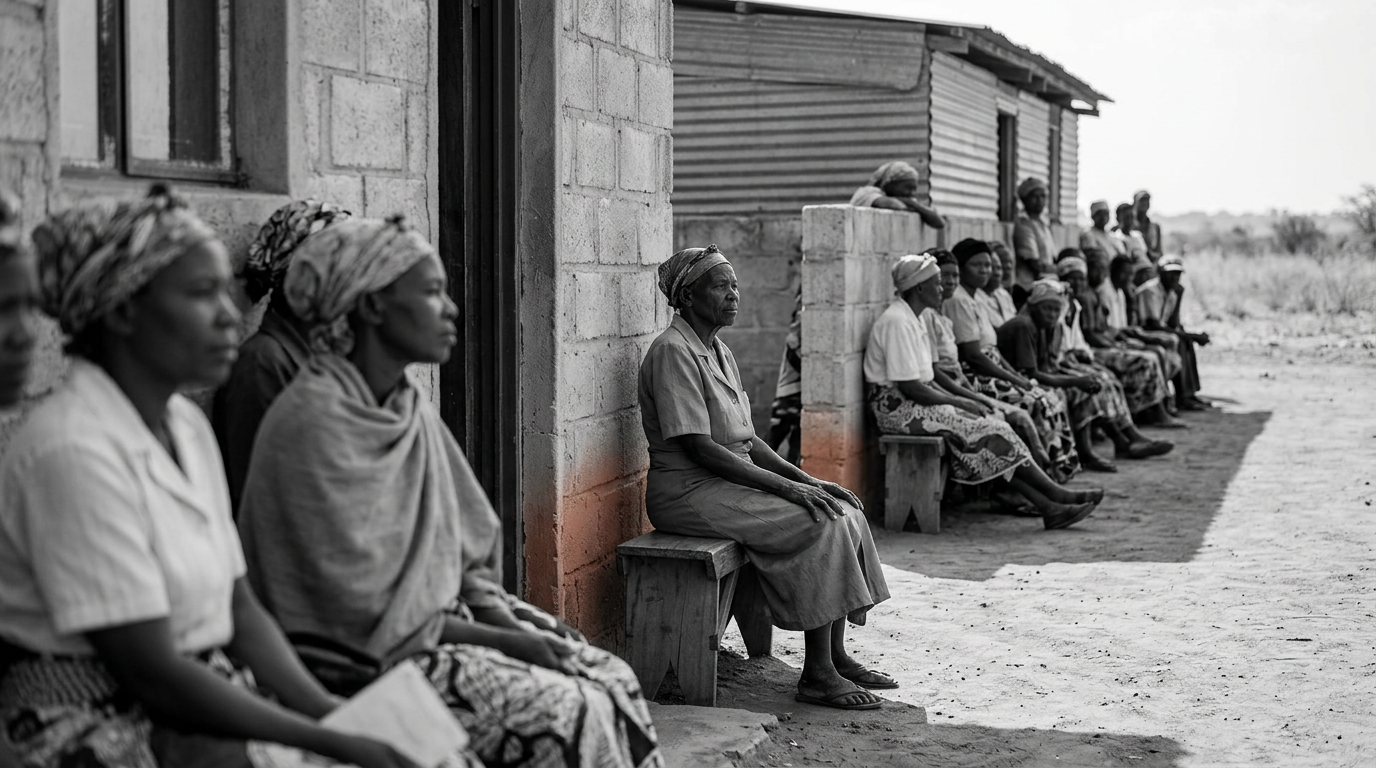
The study identified the African Region as facing the most severe deficit in access. It said three out of four people who need cataract surgery in the region remain untreated.
That regional imbalance highlights how improvements in global averages can mask deep differences in service availability. The study’s findings point to uneven access across regions, with the largest unmet need concentrated where health systems often have fewer resources.
Women face lower access across every region
Across all regions, women consistently have lower access to cataract surgery than men, according to the study. The pattern suggests that gender-based disparities remain embedded in how care is reached, financed, and delivered.
The study did not attribute the gap to a single cause, but it described persistent differences in access that appear across geographies. This indicates that closing the overall coverage gap will also require addressing unequal access within countries and communities.
Structural barriers cited by the study
The study pointed to several systemic obstacles that limit access to surgery. These include a shortage of trained eye-care professionals and an uneven distribution of those workers across locations.
It also cited high out-of-pocket costs, long waiting times, and limited public awareness as barriers that can delay or prevent treatment. The study said tackling these constraints is critical to expanding access and reducing avoidable blindness.