Oil risk rises after Saudi pipeline drone attack
Saudi Arabia shut a crude pipeline after officials said drones from Iraq hit the asset, adding pressure to fuel-price risks.
Mateo Fernandez ·
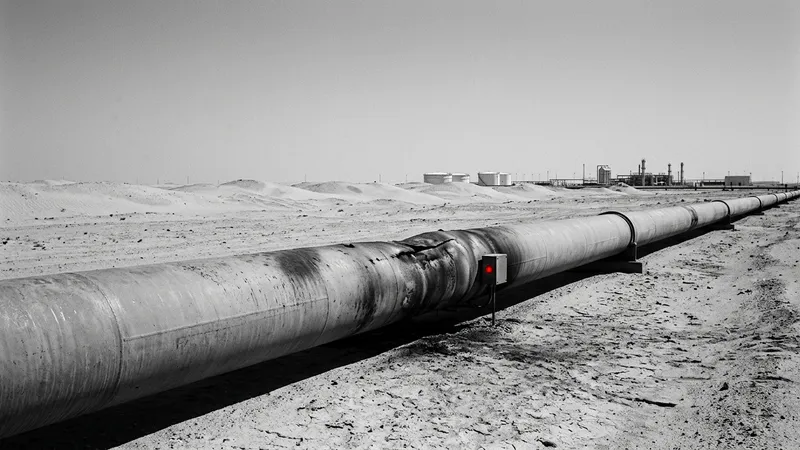
Saudi Arabia shut a crucial crude oil pipeline on September 11 after officials said multiple drones launched from Iraq struck the infrastructure, putting supply risk back into the inflation debate.
Reaction in crude, refined products and freight markets was pending, with traders likely to focus first on the duration of the shutdown and whether flows can be rerouted through other Saudi export systems. The initial account described pressure on gasoline and diesel prices, but no official price levels were provided.
Saudi pipeline closure tests supply
The closure matters because pipeline outages can tighten the prompt crude market before physical shortages appear at fuel stations. If Saudi officials confirm limited damage and restart the line quickly, the effect on global inflation expectations should stay tied to a short-lived risk premium in oil and refined products.
If the shutdown extends into next week, refiners may have to bid more aggressively for replacement barrels, especially if insurance costs or shipping delays rise around regional energy infrastructure. That path would hit the pipeline operator through lost throughput, pressure the wider oil industry through higher operating risk, and feed into global macro conditions through fuel prices.
The main uncertainty is whether the attack remains isolated or becomes part of a wider pattern targeting export infrastructure. Officials’ next operational update by September 12 will set the near-term path for crude supply expectations, refined-product pricing and inflation-sensitive assets.