Oil Prices Tumble After Trump Announces Iran Cease-fire
Oil prices slid Tuesday after Trump proposed a conditional two-week Iran cease-fire tied to reopening the Strait of Hormuz, lifting risk assets.
Atlas Newsdesk ·
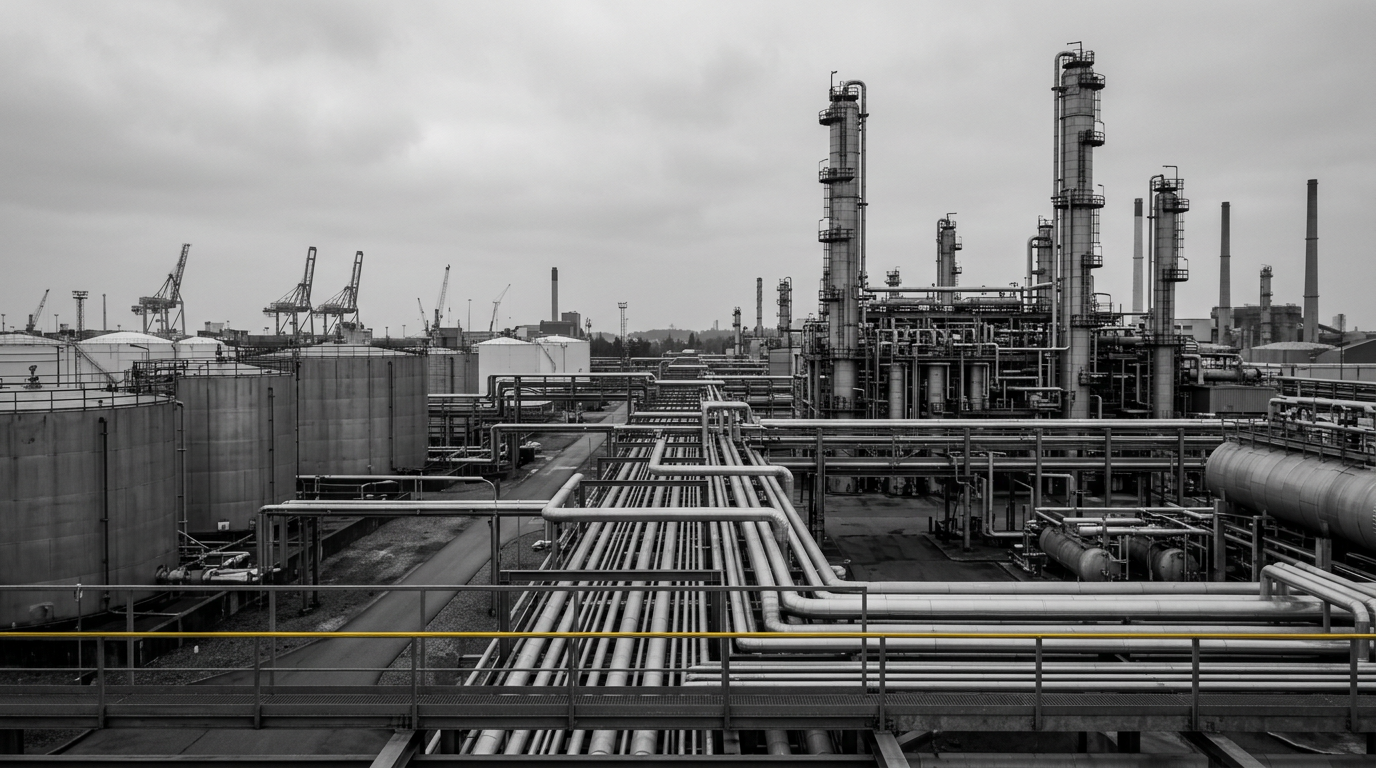
Oil prices fell sharply Tuesday evening after former President Donald Trump posted on Truth Social about a potential two-week cease-fire with Iran. The proposal was presented as conditional, with Trump linking any pause in tensions to Iran reopening the Strait of Hormuz. The message quickly rippled across global markets, where traders treated the post as a possible signal of near-term de-escalation.
In commodities trading, U.S. crude futures dropped by more than 15%. The move translated into a decline of over $10 a barrel, pushing prices below $100 per barrel during evening trading in New York. The scale and speed of the sell-off underscored how closely energy markets are tied to perceived risks around Middle East supply routes.
Risk sentiment improved elsewhere. Futures tied to major U.S. stock indexes rose more than 2% as investors reacted to the prospect of reduced geopolitical strain and a lower chance of a military confrontation that could weigh on global growth. Digital assets also moved higher, with Bitcoin rising alongside the broader shift toward risk-on positioning.
The Strait of Hormuz was central to the market response because the proposed cease-fire depends on its reopening. The narrow waterway is described as one of the world’s most important energy chokepoints, with a substantial share of global seaborne oil exports transiting the route. When access to the strait is threatened or disrupted, oil prices typically jump on fears that supply could be constrained and shipping flows interrupted.
Tuesday’s price action reflected optimism—at least in the immediate reaction—that the shipping lane could remain accessible and that energy cargoes could move without major disruption. For oil-importing economies, any perceived reduction in supply risk can quickly translate into lower price expectations, while for producers and energy-linked firms it can shift revenue assumptions and hedging behavior.
The cross-asset moves also highlighted how geopolitical headlines can reprice inflation expectations and risk premiums in a matter of minutes.
Key uncertainties remain. The proposal was described as tentative and explicitly conditional, leaving the next steps dependent on Iran’s response and actions around the Strait of Hormuz. Market participants and international observers are watching for an official statement from Tehran and for verifiable changes in maritime activity near the waterway.
The durability of the oil decline and the broader market rebound was presented as hinging on Iran’s cooperation and a tangible easing of tensions on the ground.