Oil Prices Surge Above $111 as U.S. and Iran Clash Over Strait of Hormuz
Oil prices climbed above $111 on April 6, 2026 as Hormuz disruption fears and U.S.-Iran tensions lifted Brent and WTI futures.
Atlas Newsdesk ·
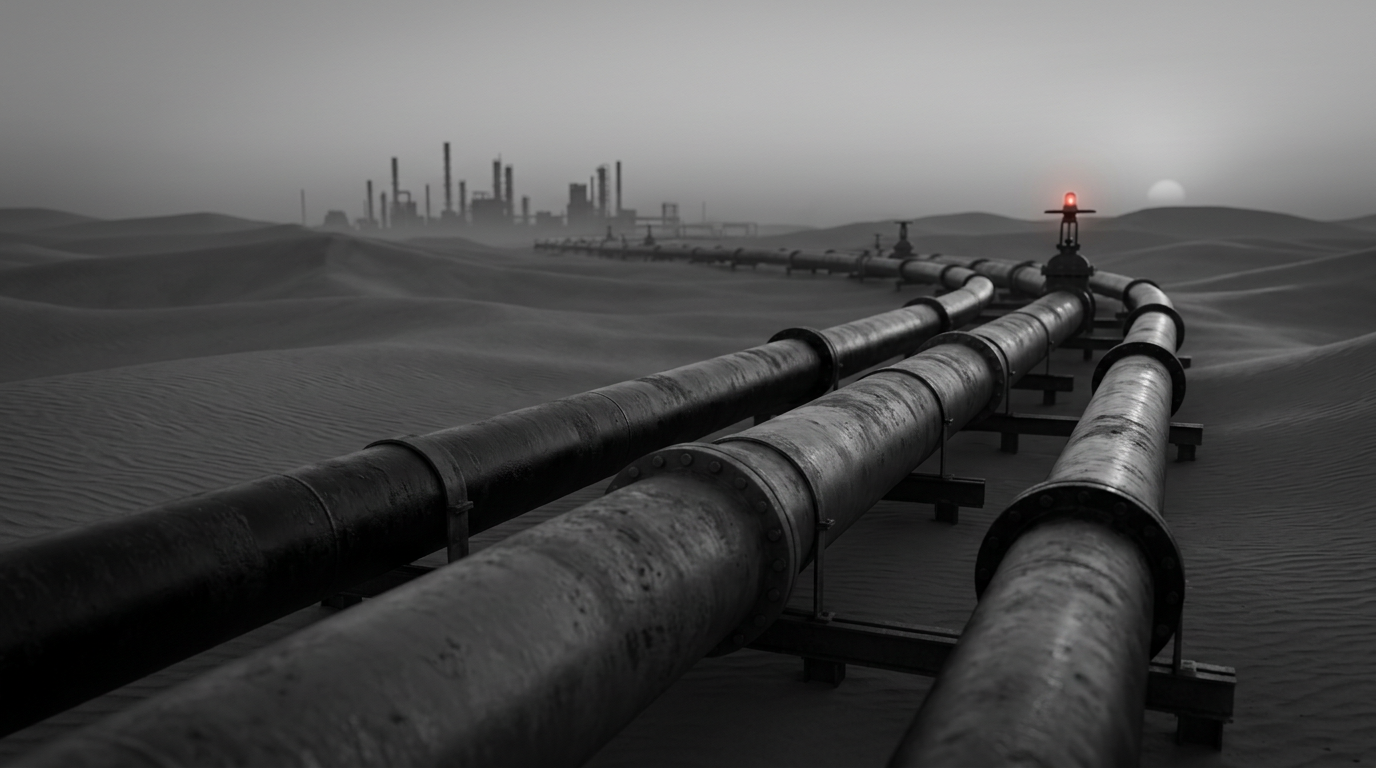
Oil prices rose sharply on Monday, April 6, 2026 , as trading resumed after the Easter holiday weekend and markets reacted to continuing supply interruptions linked to the U.S.-Israeli conflict with Iran. The move reflected heightened concern about crude flows from the Middle East, with attention centered on the Strait of Hormuz and the risk that disruptions there could further tighten global supply.
By 2215 GMT, Brent crude futures were up $2.4, or 2.2%, at $111.43 a barrel. U.S. West Texas Intermediate crude futures gained $3, or 2.7%, to $114.57 a barrel. The increases were attributed to market anxiety over the durability of established shipping routes and the possibility that interruptions could persist and affect deliveries.
The Strait of Hormuz was described by markets as a critical transit point for oil shipments, and the latest developments intensified fears that crude availability could be hit if access is constrained. With supply already characterized as disrupted, traders focused on the prospect of additional limits on exports and transportation from the region, a dynamic that can quickly feed into pricing when near-term barrels are perceived to be at risk.
Political statements added to the pressure. U.S. President Donald Trump said on Sunday that the United States would target Iranian infrastructure, including power plants and bridges, if the Strait of Hormuz remains closed. The statement was presented as a direct warning tied to access through the waterway, reinforcing concerns about the stability of supply routes and the potential for further escalation to affect shipments.
What it means for markets is that geopolitical risk is being priced more aggressively into crude benchmarks as participants weigh the chance of shortages and broader energy security risks. The uncertainty highlighted in the market reaction is how long the current disruptions may last and whether the Strait of Hormuz will be reopened, both of which were described as key variables for near-term supply expectations and pricing.