Hormuz Intervention Fails to Sway Oil Market
Oil prices were unaffected by a US plan to guide vessels through the Strait of Hormuz, as Iran signaled non-cooperation and maritime incidents continued.
Atlas Newsdesk ·
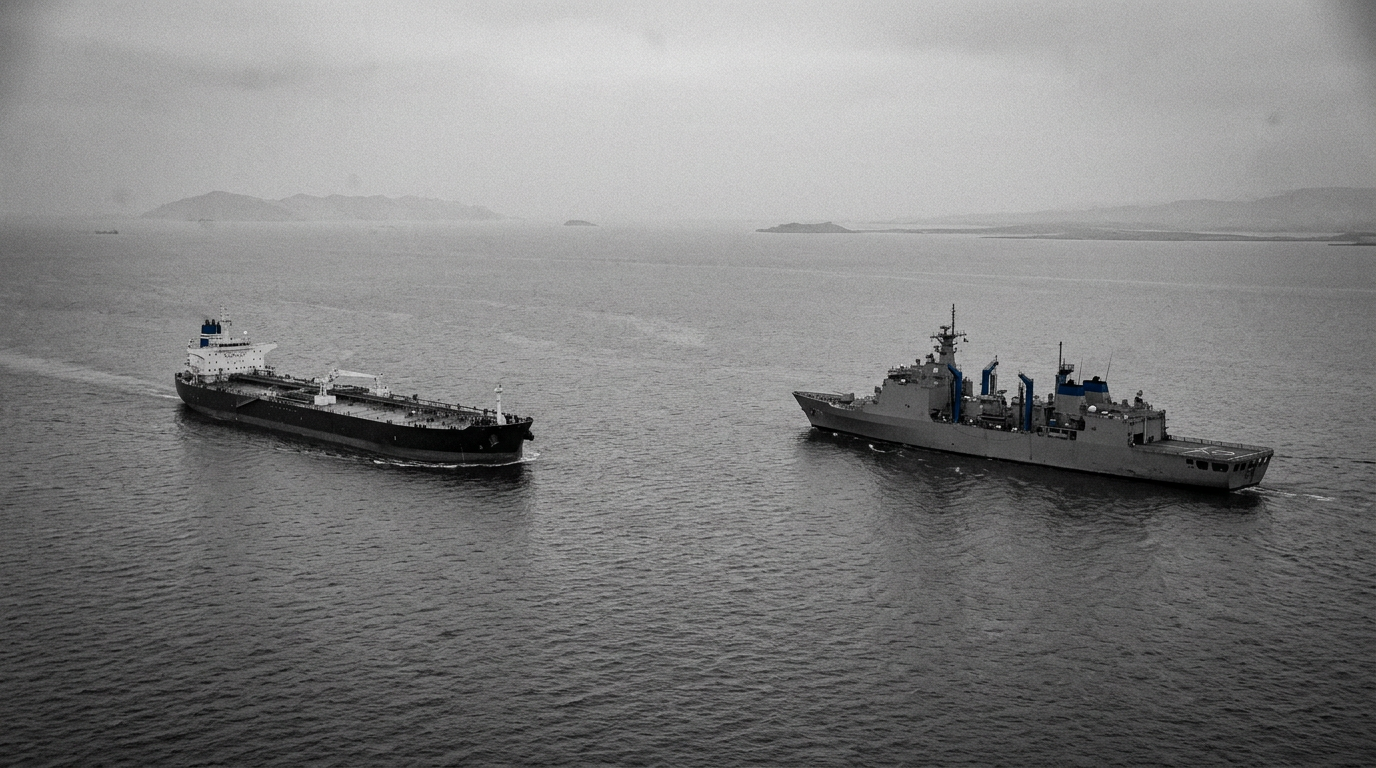
Oil prices remained largely unchanged following the announcement of a US plan to guide vessels through the Strait of Hormuz. The initiative, dubbed "Project Freedom," did not significantly impact Brent crude futures.
Details regarding the operational execution of "Project Freedom" were not provided, including whether it would involve naval escorts. Previous proposals for naval escorts had been rejected due to inadequate preparations.
Iranian officials have indicated non-cooperation with the US plan, stating that any US interference would be considered a breach of the existing ceasefire. This introduces further uncertainty regarding regional stability.
Recent maritime incidents include a tanker struck by projectiles off the UAE coast and a bulk carrier attacked by small craft near Iran. These events occurred hours after the US announcement.
Analysts suggest the US plan focuses more on seafarer rescue than restoring full maritime traffic. Global oil inventories are reportedly declining, which may influence market sentiment more than political statements.
Disruptions in the Strait of Hormuz have reduced global daily oil production by an estimated 14. 5 million barrels.
Brent crude prices have increased by nearly 50% since the conflict began, with expectations for continued elevation.