Oil prices drop below $100 after Iran cease-fire
Oil prices fell below $100 after a two-week Iran cease-fire announcement that reportedly includes reopening the Strait of Hormuz.
Atlas Newsdesk ·
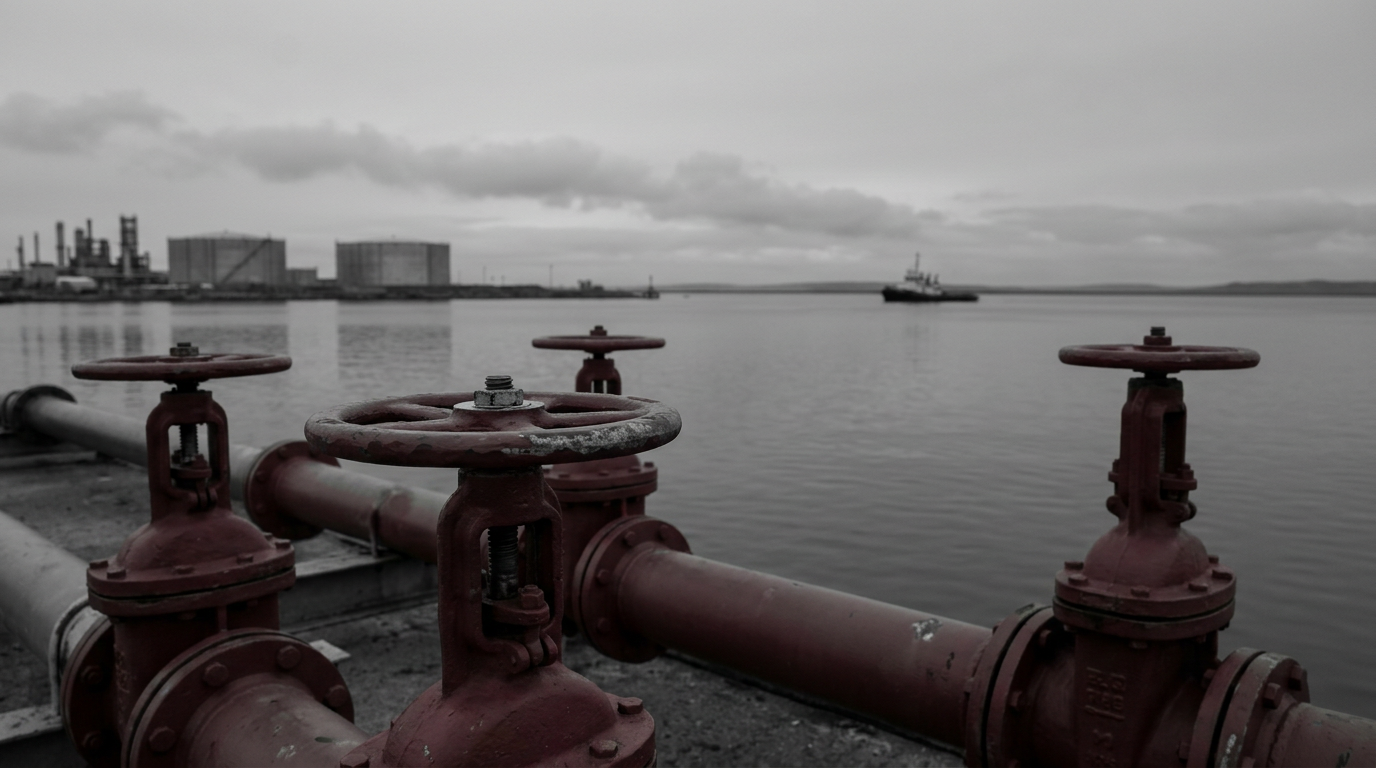
Crude oil futures fell sharply to below $100 per barrel after an announcement of a two-week cease-fire agreement with Iran. The reported terms include reopening the Strait of Hormuz, a key maritime route for energy shipments. The move marked a sudden shift in market sentiment after recent pricing reflected heightened concern about supply interruptions.
West Texas Intermediate (WTI) futures for May delivery were highlighted in the latest price action. The contract had previously settled at $112.95 a barrel before the decline, underscoring the scale of the reversal. The drop was described as one of the largest daily declines observed, reflecting how quickly expectations can change when traders reassess near-term supply risks.
The Strait of Hormuz is central to global oil logistics, accounting for approximately 20% of the world’s oil supply moving through the waterway. Because of that role, any disruption—or the prospect of disruption—can quickly ripple through energy pricing, shipping decisions, and broader risk appetite. The reported reopening therefore directly addresses a major chokepoint that markets watch closely when evaluating the balance between supply security and demand.
Beyond crude benchmarks, the development was framed as relevant to energy market stability and global supply chain security. Lower crude prices can ease immediate cost pressures for fuel buyers, while reduced transit risk can support more predictable shipping schedules for energy cargoes. At the same time, the market reaction shows that a large portion of the prior price level was tied to uncertainty around oil transit rather than changes in underlying consumption.
Key details remain limited in the announcement as described, including how the cease-fire will be implemented and monitored over the two-week period. It is also not specified how quickly the Strait of Hormuz would return to normal operating conditions, or what constraints might remain for commercial traffic. Those unknowns matter because the price response suggests traders are rapidly repricing risk based on expectations of improved passage through the route.
For global markets, the immediate takeaway is that geopolitical developments tied to critical infrastructure can move oil prices dramatically in a single session. The reported reopening of the Strait of Hormuz could reduce earlier fears of transit disruptions, but the durability of the shift will depend on how the cease-fire unfolds over the stated timeframe.