A360
Oil prices hit $120/barrel amid US blockade on Iran, signaling Strait of Hormuz disruption & global economic impact.
Oil prices surged to 2022 highs, reaching $120/barrel, after reports emerged of a potential extended US blockade on Iranian ports, signaling significant market disruption.
The US blockade aims to cripple Iran's oil exports and economy, but Iran's retaliatory threats to disrupt Strait of Hormuz traffic risk escalating global supply chain interruptions.
This geopolitical tension could lead to sustained high energy prices, with the World Bank forecasting a 24% increase by 2026, impacting global consumers and economies significantly.

Brent crude oil prices briefly reached $120 per barrel, marking their highest level since 2022. This increase follows reports indicating the US is preparing for an extended blockade of Iran's ports.
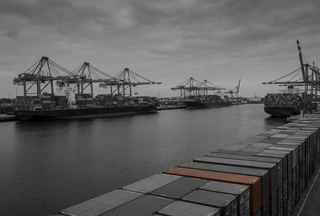
This development suggests a prolonged disruption to oil transit through the Strait of Hormuz, a critical chokepoint for global oil supply. The Strait typically handles approximately one-fifth of the world's oil and liquid natural gas.
US officials reportedly instructed aides to prepare for an extended blockade to exert economic pressure on Iran. This strategy aims to curtail Iran's oil exports and economic activity.
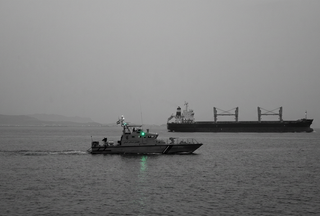
Iran has stated its intent to continue disrupting traffic in the Strait of Hormuz in response to the US blockade. This reciprocal action escalates the risk of further supply chain interruptions.
Energy executives met with the US President to discuss mitigating the conflict's impact on American consumers. The meeting's timing coincided with the reported blockade extension plans.
The World Bank forecasts a 24% surge in energy prices by 2026 if current disruptions persist. This projection underscores the potential for sustained global economic impact.