Oil holds steady as Iran-US clashes hit Gulf bases
US-Iran fighting spread to Bahrain and Kuwait, but crude prices stayed in a narrow range as traders weighed Hormuz risks.
Mateo Fernandez ·
Oil held in a tight range Thursday after US-Iran fighting widened to Gulf bases in Bahrain and Kuwait, a sharper military turn that has so far failed to trigger a disorderly crude move. Officials said Iran launched ballistic missiles and drones at US bases in both countries after US forces struck Iranian infrastructure and coastal military targets.
US military officials said forces hit about 90 Iranian coastal targets, including air defense systems, missile and drone storage sites, naval assets and logistics infrastructure. Officials also said two railway bridges in Iran's Golestan province were struck with cruise missiles, marking the first US attack on Iranian infrastructure since the ceasefire.
Gulf bases enter crossfire
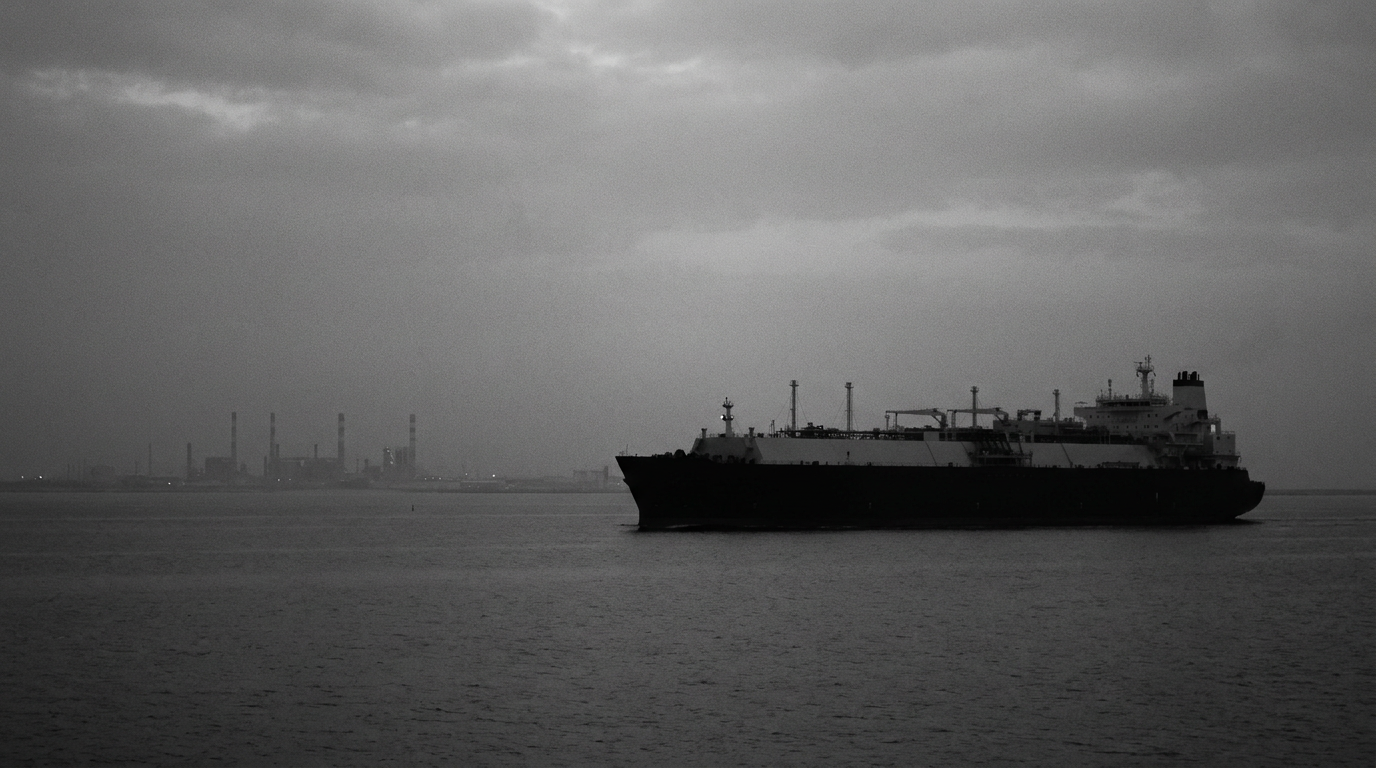
Iranian officials said a bridge west of Aghala was hit and warned of a response. Iran's parliament speaker said the Strait of Hormuz would reopen only on Tehran's terms, keeping shipping risk at the center of the market debate even as crude prices showed limited stress.
The muted oil reaction suggests traders are separating military escalation from immediate supply loss. Reports of more vessels using a southern route near Oman have reduced the perceived choke-point risk, though insurance costs, tanker routing and Gulf air defense activity could still reprice quickly if attacks intensify.
Asian markets absorbed the shock unevenly. Japan's Nikkei and South Korea's Kospi rebounded on chipmaker strength, while China data showed producer prices rising 4.1% in June and consumer inflation cooling to 1.0%, adding a separate macro split to the session.
Over the next 24 hours from July 9, 2026, markets will track whether retaliatory strikes stay limited to military targets or move toward shipping lanes, energy facilities and Gulf logistics hubs.