US ends Iran strikes after roughly 90 targets hit
U.S. officials said the operation had ended after new strikes on Iran, while Tehran targeted Gulf states in response.
Mateo Fernandez ·
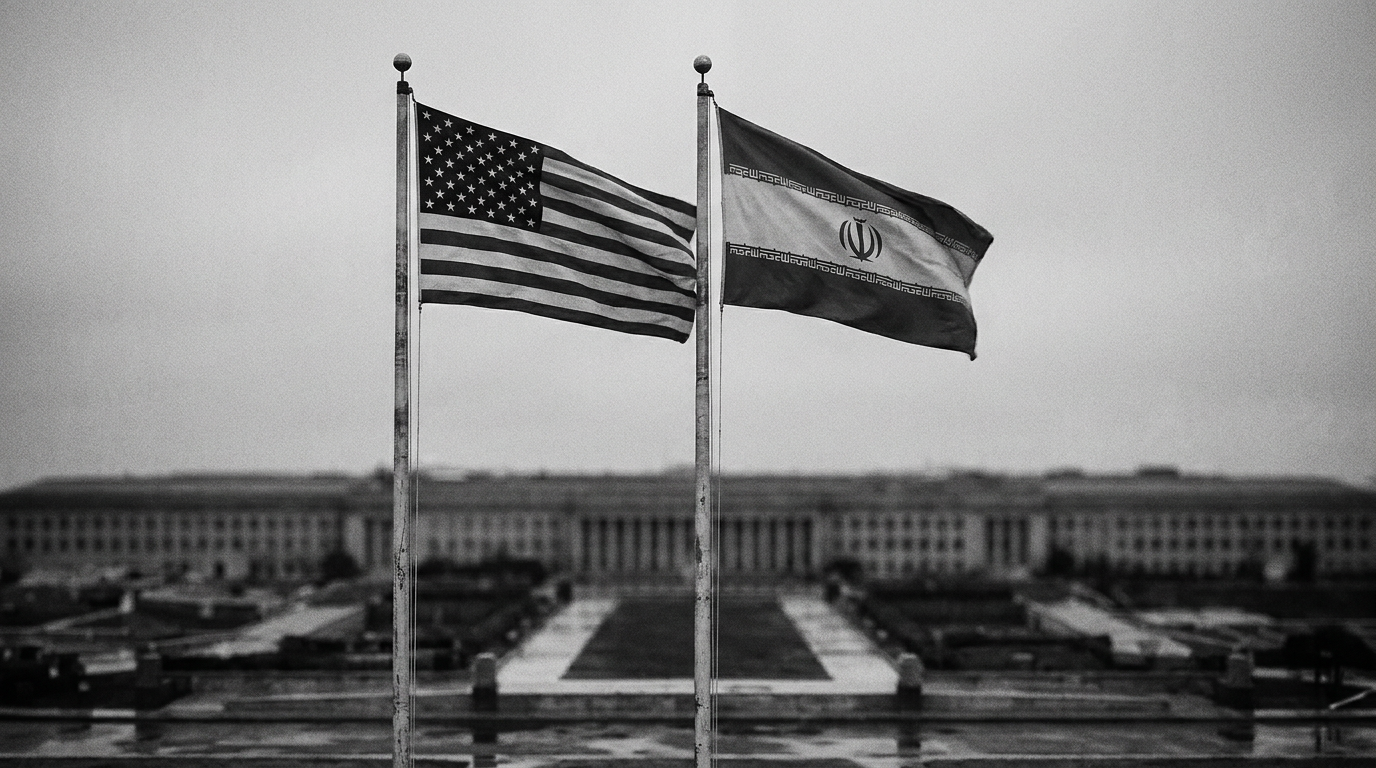
U.S. officials said the United States ended a new round of strikes on Iran early Thursday after hitting roughly 90 targets, marking a sharp escalation in direct hostilities between Washington and Tehran. Market reaction was pending as investors waited for confirmation of damage, casualties and any further military orders.
Officials said Iran responded by targeting Bahrain and Kuwait, widening the immediate risk zone to Gulf states that sit close to key energy, shipping and U.S. military infrastructure. The available official detail did not identify the full target list, the weapons used or whether additional Iranian actions were under way.
Gulf retaliation widens risk
The core market question is whether the exchange remains a contained military episode or turns into a broader regional cycle. If U.S. officials hold to their statement that strikes have ended, then the first-order macro channel is risk pricing: oil, haven assets, regional equities and defense-linked securities would likely react to evidence of restraint or renewed fire.
For Washington, the claim that the operation is over creates a near-term test of credibility. Any further U.S. strike would shift the story from a bounded response to an open-ended campaign, raising the risk premium attached to Gulf energy flows and regional basing arrangements.
For the wider defense and energy sectors, the next mechanism is operational disruption. If Gulf facilities, ports or airspace face sustained threats, insurers, shippers and producers may reassess routing and security costs even before physical supply losses are confirmed.
The next hard window is the 24 hours through Friday, July 10, 2026, when official damage assessments and any further military notices will determine whether markets treat the exchange as contained or escalating.