US strikes hit Iran after Hormuz vessel attacks
Officials said US airstrikes followed attacks on three commercial oil vessels in the Strait of Hormuz.
Mateo Fernandez ·
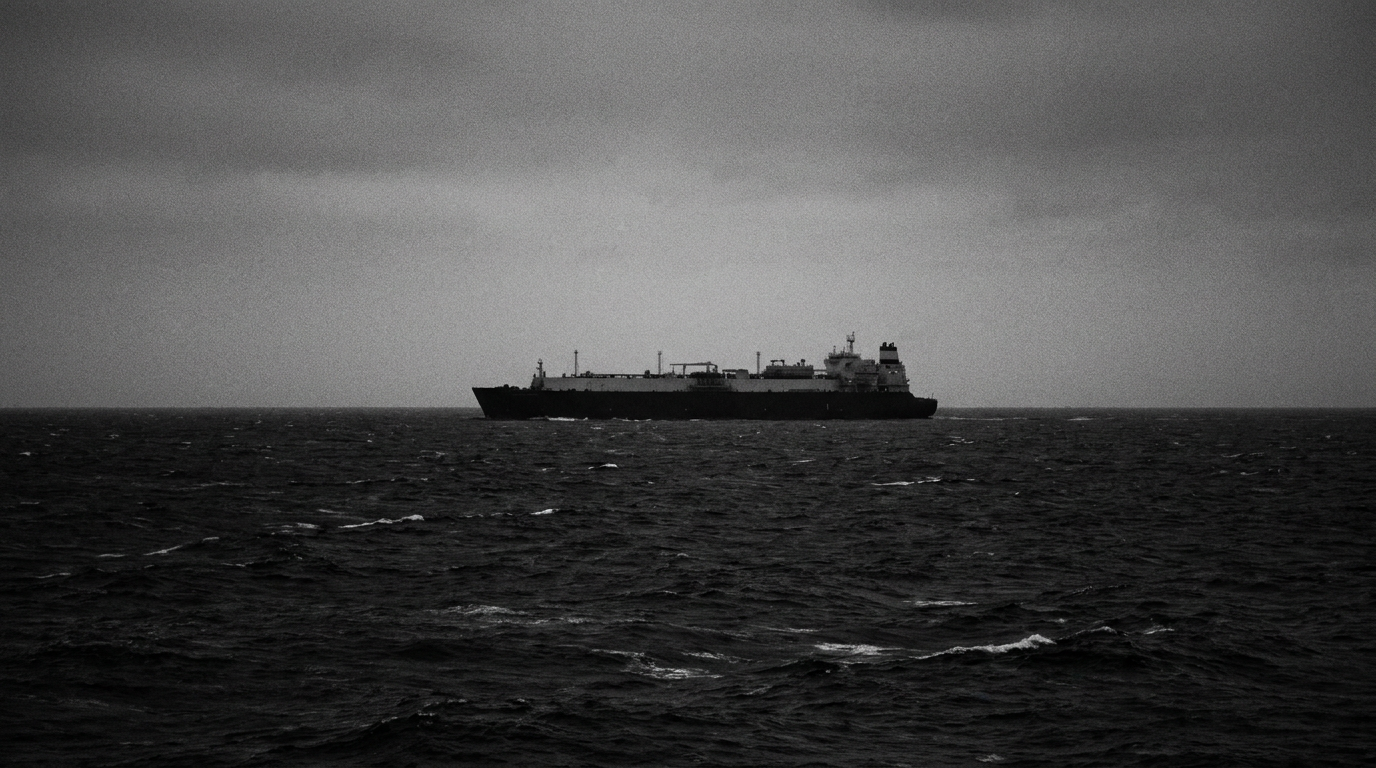
The US carried out airstrikes on Iran after three commercial oil vessels came under attack in the Strait of Hormuz, officials said Tuesday. Reaction pending, with the risk centered on oil, shipping and insurance costs tied to one of the world’s most sensitive maritime corridors.
Officials said the strikes followed "unwarranted aggression by Iranian forces" and targeted more than 80 sites. The target list included Iranian defense systems, command-and-control networks, coastal radar sites and anti-ship missile capabilities, according to the administration’s account.
Hormuz oil route faces military risk
The Strait of Hormuz is a critical passage for seaborne energy flows, so even limited military action can shift risk pricing quickly. The immediate market channel is not only crude supply; freight rates, war-risk insurance and tanker routing can also tighten if shipowners judge the corridor less safe.
For Washington, the operation signals an effort to degrade Iranian systems that could threaten commercial traffic. For Tehran, the loss of radar, missile and command assets could either limit near-term capability or raise pressure for retaliation through proxies, maritime harassment or missile threats.
The wider industry effect depends on whether vessel traffic continues without interruption. If shipping lanes stay open, the market response may remain contained. If more vessels are targeted, oil buyers and refiners could face higher delivered costs before any physical shortage appears.
By July 9, the key test will be whether commercial tankers continue transiting Hormuz normally or pause sailings while operators reassess security conditions.