Ocean shipping rates rise as tariffs spur early cargo
Ocean shipping rates are climbing sharply as US retailers accelerate imports ahead of late-July tariffs and expected fuel surcharges tied to the Iran war.
Atlas Newsdesk ·
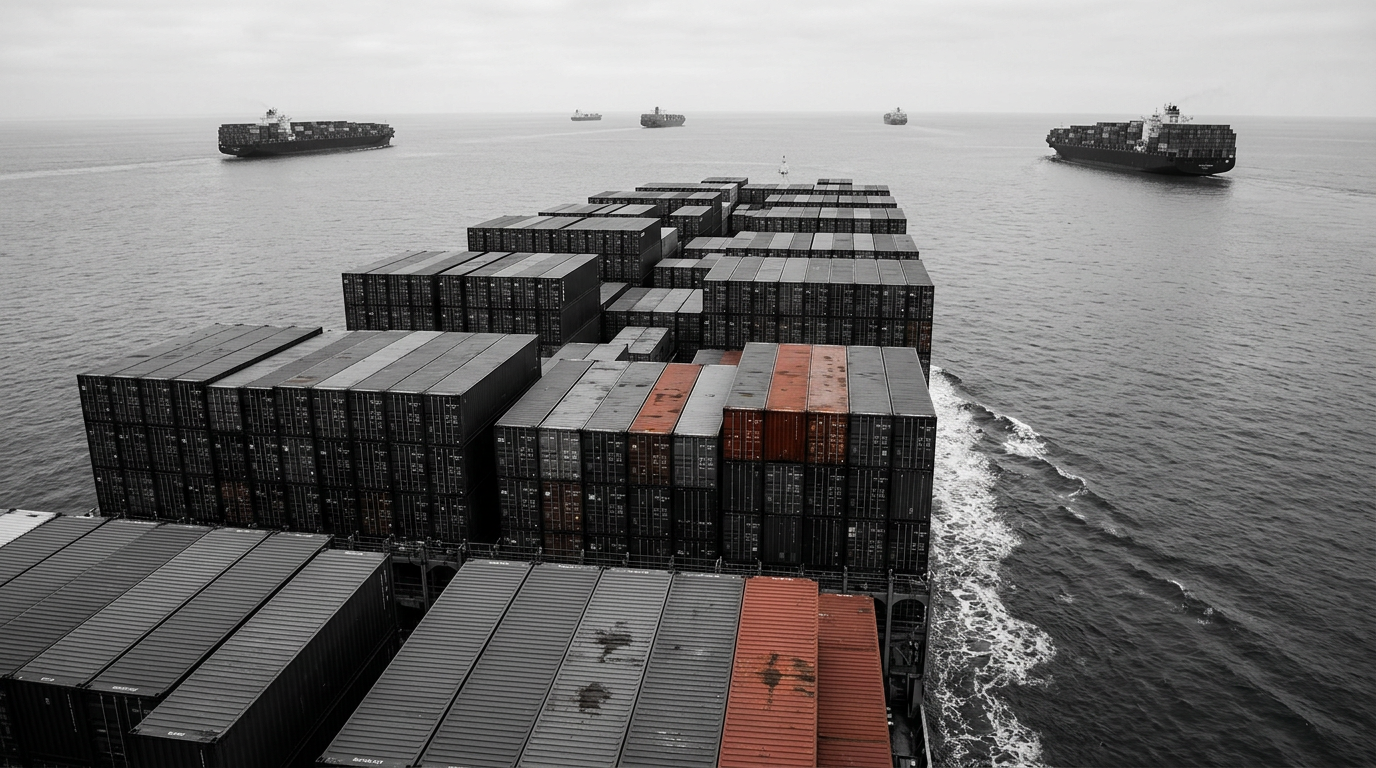
Ocean shipping rates are climbing sharply as US retailers accelerate imports ahead of late-July tariffs and expected fuel surcharges tied to the Iran war.
The price to move a 40-foot container from China to the US West Coast reached $5,933 on Friday, according to transportation intelligence firm Xeneta. That level is roughly triple the rate recorded at the end of February and marks the highest point since September 2024.
Xeneta chief analyst Peter Sand said the run-up may not be finished. He warned pricing could climb by as much as another 30% before the market tops out, reflecting intense competition for available vessel slots.
Retailers pull forward holiday orders to avoid tariffs
Logistics specialists say many importers are shifting purchases earlier to reduce exposure to new US tariffs expected to take effect at the end of July. The advance ordering is aimed at the year-end sales calendar, including Halloween and Christmas, when demand for goods such as apparel, consumer electronics, and seasonal merchandise typically spikes.
By moving cargo sooner, retailers can lock in current landed costs and avoid being forced to reorder later under higher duty rates. The strategy can also reduce the risk of stockouts if shipping networks tighten during peak season.
The front-loading, however, concentrates demand into a shorter window. That dynamic can push spot prices higher quickly, especially on major trade lanes such as China-to-US West Coast routes.
Fuel surcharges loom as oil costs rise
Importers are also reacting to another cost variable: bunker fuel. Industry sources expect ocean carriers to introduce a new round of fuel-related surcharges in the coming weeks to reflect higher oil prices linked to the Iran war.
Bunker fuel is a core expense for container lines, and surcharge mechanisms are often used to pass through rapid changes in energy markets. When those charges rise at the same time as demand for ship space increases, total logistics bills can escalate abruptly for retailers and manufacturers.
The timing matters because many companies are still managing inventories carefully after several volatile years in global shipping, including pandemic-era disruptions and later periods of softer freight demand. A sudden shift from abundant capacity to tight space can leave smaller importers with limited bargaining power.
Trade deficit widens as import volumes accelerate
The import rush has also appeared in national trade figures. The US trade deficit widened to $105.8 billion in May, Commerce Department data show, up 27% from April.
A wider deficit can result from a pickup in inbound shipments, particularly when companies buy ahead of anticipated policy changes. While the trade balance is influenced by many factors, a sharp month-to-month move often signals a significant swing in goods flows.
On the ground, shippers report that finding space has become harder in recent weeks. Bronwen Sainsbury, president of Seattle-based home decor wholesaler Stack Resources, said her company has faced more difficulty securing container capacity during the past three weeks than it had experienced in a long time.
For retailers, higher freight rates and added fuel surcharges can pressure margins, especially for lower-priced goods where transportation is a larger share of total cost. For consumers, the effects are less direct, but sustained increases in logistics costs can filter into retail pricing over time, particularly if tariffs and energy costs rise simultaneously.
In the near term, market participants will be watching whether rates continue to climb toward Xeneta’s projected peak and whether carriers implement the expected bunker fuel adjustments. Another key test will come as the end-of-July tariff deadline approaches, when the pace of bookings and port-bound volumes will indicate how much demand has been pulled forward.