Housing affordability bill advances supply in Congress
A housing affordability bill passed by Congress aims to increase home supply and reduce barriers that have pushed prices beyond wage growth for many Americans.
Atlas Newsdesk ·
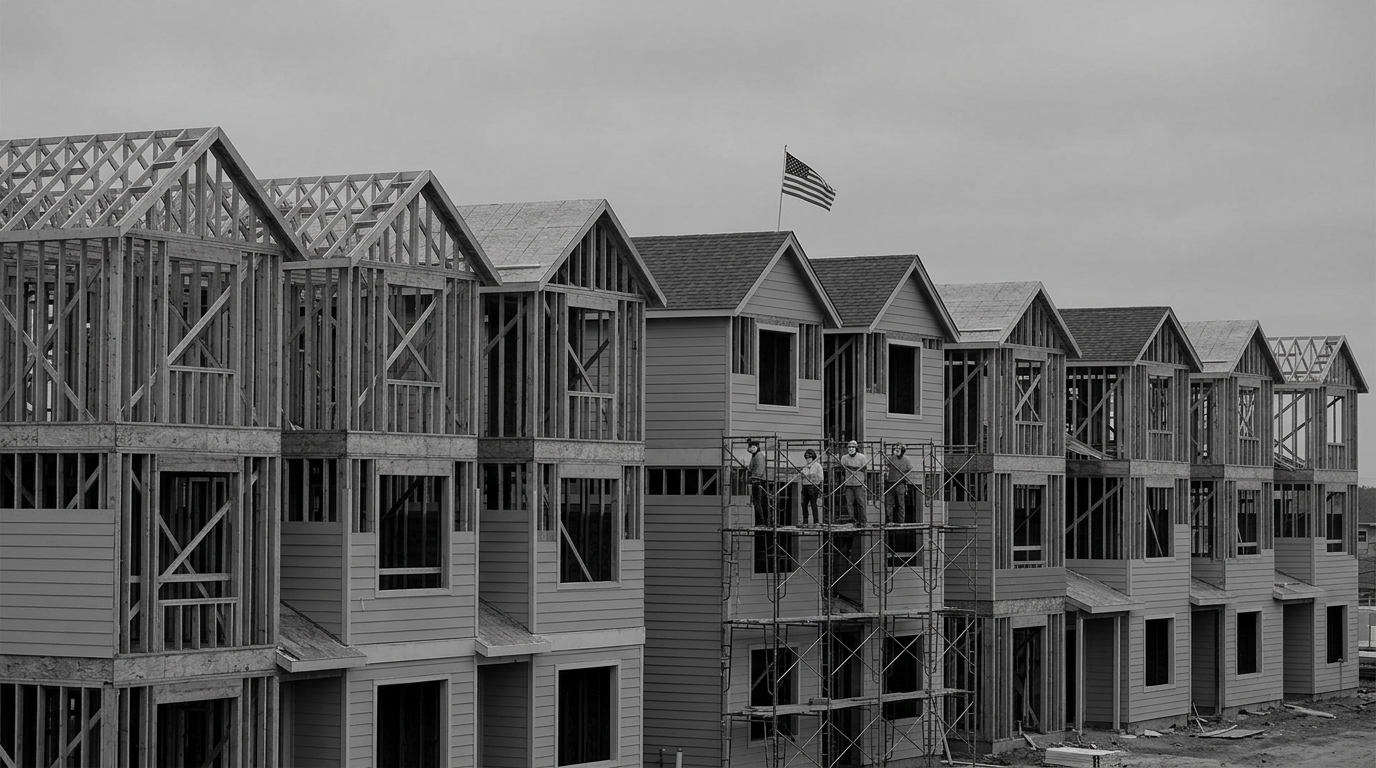
Congress has approved a housing affordability bill intended to expand the nation’s housing supply and reduce obstacles that add costs to homebuilding.
The measure is described by lawmakers as the most significant federal push on housing affordability in decades, arriving as purchase prices and rents have risen faster than incomes in many markets. The bill’s central premise is that increasing the number of homes available for sale and rent can ease pressure on prices over time.
What the bill is designed to change
The housing affordability bill focuses on increasing the number of homes that can come to market, rather than directly setting prices. Supporters say it targets a set of constraints—such as delays, administrative burdens, and other frictions—that can limit construction and raise development costs.
In practical terms, the policy aims to make it easier for projects to move from planning to completion. By shortening timelines and reducing barriers, backers argue that builders can deliver more units, including entry-level homes that have become scarce in many regions.
Because it is a federal bill, its strongest effects may come through incentives, standards, or funding conditions rather than direct control of local zoning. Housing rules are often set by states and municipalities, meaning the scale of real-world change will depend on how programs are implemented and whether local governments participate.
Why Congress is moving now
The bill arrives amid widespread concern that homeownership is becoming unattainable for a growing share of households. Many prospective buyers have faced a double squeeze: high home prices and elevated monthly payments, compounded by limited inventory.
Even where demand cools, a shortage of available homes can keep prices from falling significantly. Policymakers from both parties have increasingly framed supply as the core problem, arguing that affordability cannot improve meaningfully without building more housing.
Housing also carries broader economic implications, affecting workforce mobility and household finances. When housing consumes more of a paycheck, consumers typically have less flexibility to spend elsewhere, and employers can struggle to hire in high-cost regions.
What it could mean for buyers, renters, and builders
For would-be buyers, the promise of the housing affordability bill is more listings and less competition for a limited number of homes. However, supply-focused policies typically take time to show up as completed units, so near-term impacts could be modest.
For renters, additional construction can help relieve pressure in tight markets, particularly if it meaningfully expands the overall stock of housing. In some areas, new units can reduce rent growth by offering alternatives and lowering vacancy stress, though local outcomes vary widely.
Builders and developers could see changes in project economics if delays and compliance costs are reduced. Faster approvals and clearer pathways can lower financing costs, which often rise when projects are postponed or uncertain.
Still, several factors outside legislation will continue to shape affordability, including interest rates, labor availability, and materials costs. If financing remains expensive, construction may not accelerate as quickly as policymakers intend.
Next steps will hinge on implementation: agencies and states may need to issue guidance, set program rules, and distribute any resources tied to the legislation. Households and industry participants will be watching for timelines, eligibility details, and whether the bill measurably increases the pace of homebuilding in the months and years ahead.