Nostalgia Fuels Devil Wears Prada 2 Box Office Win
The Devil Wears Prada 2 stormed the box office, leveraging potent nostalgia to secure a massive $233.6 million global opening weekend.
Ayla Demirhan ·
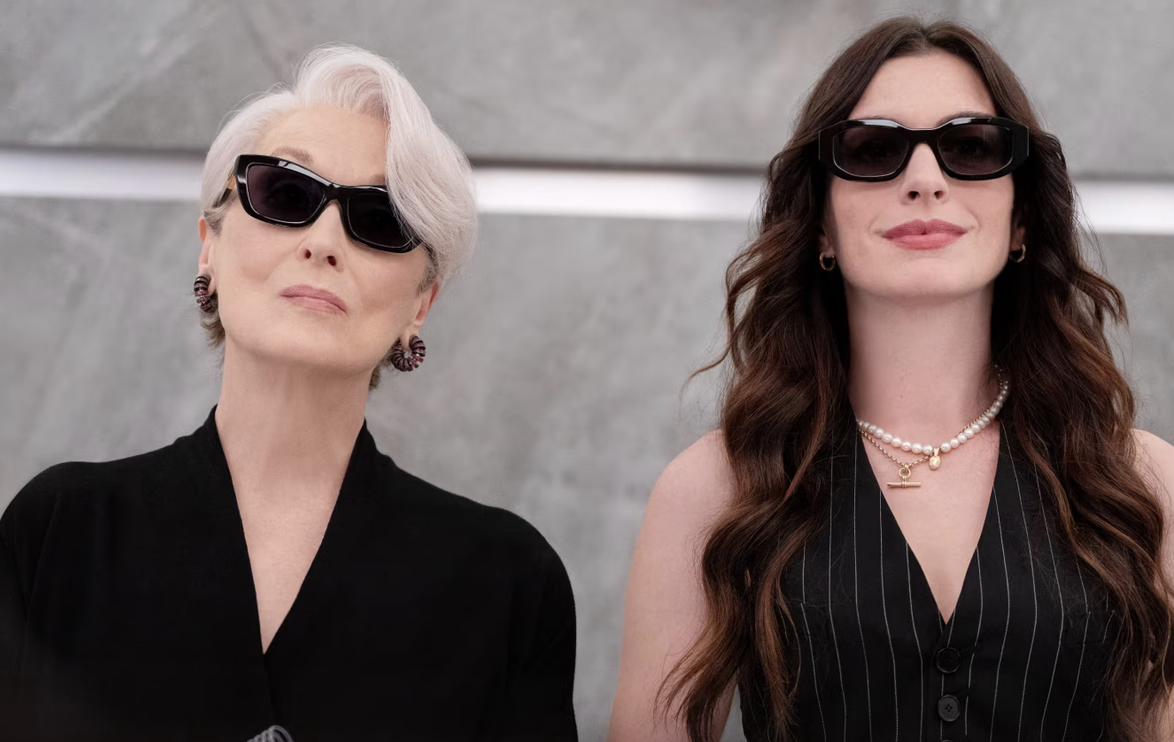
A Resounding Return to Runway
Twenty years after its predecessor defined a generation of fashion-forward cinema, “The Devil Wears Prada 2” has demonstrated the immense commercial power of nostalgia. The sequel captured an estimated $233.6 million at the global box office during its opening weekend, signaling a massive appetite for the return of its iconic characters.
The film, a 20th Century Studios production under Disney, saw a robust domestic debut, earning $77 million in the United States and Canada. Its international performance was even more impressive, pulling in an additional $156.6 million from overseas markets.
This impressive opening places the film in the upper echelon of recent releases and underscores a significant trend in audience preferences. The return of Meryl Streep and Anne Hathaway to their celebrated roles was a major draw, particularly for the female, Millennial, and Gen X demographics who grew up with the original movie.
Nostalgia as a Modern Blockbuster Strategy
The success of “The Devil Wears Prada 2” is not an isolated incident but rather the latest example of pop-culture nostalgia driving box office revenue. Hollywood is increasingly finding success by reviving beloved properties from past decades, as seen with hits like the biopic “Michael” and “The Super Mario Galaxy Movie.”
This strategy offers a lifeline for an industry grappling with several challenges. While mega-franchises like the Marvel Cinematic Universe and the Fast & Furious saga have recently shown signs of audience fatigue, these nostalgia-fueled films are proving to be reliable performers.
For studios, such projects represent a potentially more dependable investment. They tap into a pre-existing fan base, reducing marketing risks and capitalizing on decades of built-in emotional connection.
Cinematic Comfort in Uncertain Times
Beyond simple nostalgia, the film’s success may also reflect a broader societal mood. In an era marked by economic anxiety and global uncertainty, audiences appear to be seeking out familiar and comforting entertainment that provides a sense of escapism.
The return to the high-stakes world of fashion journalism offers a known quantity, a cinematic equivalent to a favorite, well-worn item. This desire for comforting content is providing a much-needed boost for theatrical attendance, which has yet to fully recover to pre-pandemic levels.
As Hollywood observes this trend, the triumphant opening of “The Devil Wears Prada 2” will likely have significant implications. Studios may become more aggressive in greenlighting sequels to other classic films from the 1990s and 2000s, hoping to replicate this formula for success.