Norway seizes Russian ship over $4.2 billion Crimea award
Norway seized a Russian ship near Svalbard to enforce Naftogaz's $4.22 billion Crimea arbitration award against Russia.
Lauren Collins ·
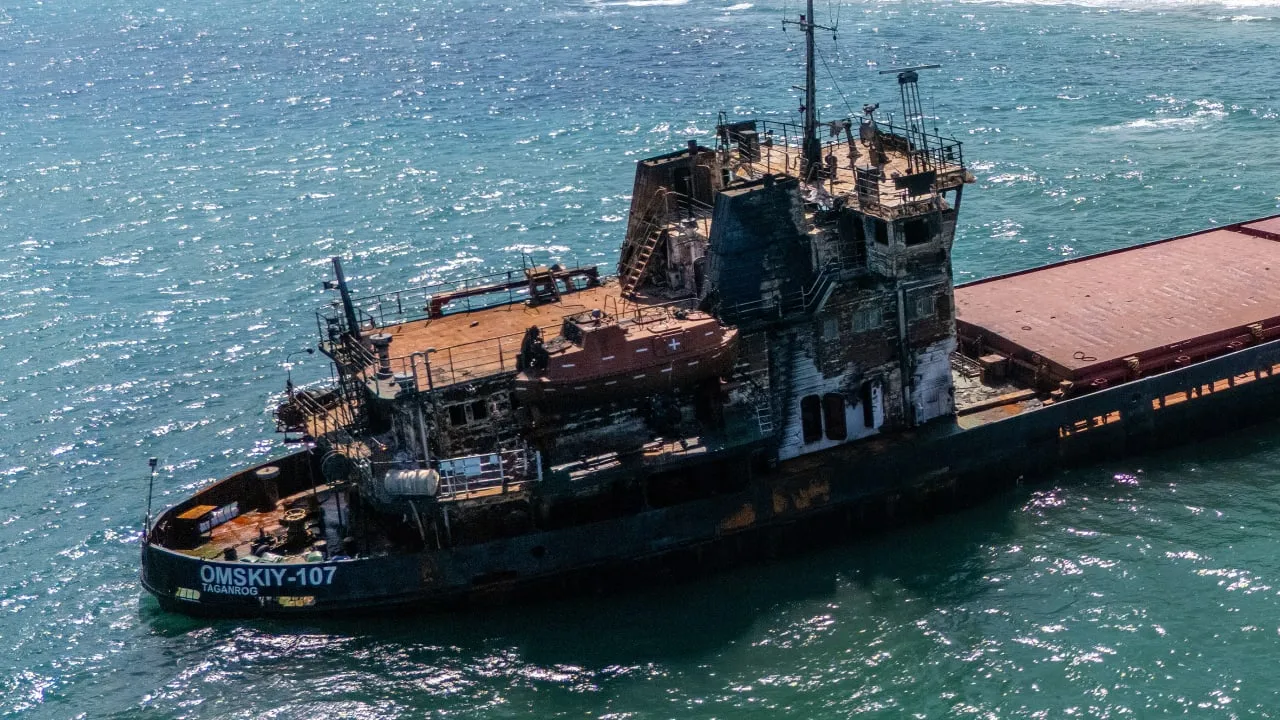
Norway seized a Russian ship near Svalbard to enforce Naftogaz's $4.22 billion Crimea award. It moves a Hague ruling into the Arctic.
The vessel, Professor Molchanov, was taken into custody off the Norwegian Arctic archipelago after a standoff with the Norwegian Coast Guard that lasted 24 hours, according to Covington, the US law firm representing Naftogaz. The governor's office said the ship would be held on Svalbard.
Svalbard order reaches cruise vessel
Naftogaz's lawyers sought the arrest of the Russian-owned vessel after tracking it for months, Covington said. The ship is used for commercial cruises and had been expected to reach Barentsburg, a Russian mining settlement on Svalbard.
The Nord-Troms and Senja District Court approved the application on Monday, according to the law firm. The order required the governor of Svalbard to enforce the arrest, supervise the vessel and prevent it from being moved.
Crimea award becomes asset hunt
The seizure stems from Naftogaz's attempt to collect compensation for assets it says Russia took when Moscow annexed Crimea in 2014. The Ukrainian energy company has pursued legal action against Russia since 2016, a timeline that has turned the dispute into a long-running enforcement case rather than a single arbitration fight.
A tribunal in The Hague ordered Russia in April 2023 to pay Naftogaz $4.22 billion, plus interest and legal costs, according to the company and its lawyers. Moscow has not paid the award, and Russia is challenging the process, saying it was not given notice.
Naftogaz Acting CEO Sergii Fedorenko framed the seizure as a test of whether Russia can avoid payment by ignoring the ruling. "Russia cannot evade responsibility simply by refusing to comply with an international arbitral award," Fedorenko said.
Russian assets face wider claims
The Russian Foreign Ministry called the Norwegian action "piracy," according to state media. That response puts the case inside a broader legal contest over whether courts in third countries can turn arbitral awards into recoveries against Russian property.
Naftogaz said it is coordinating enforcement steps in multiple jurisdictions, including the United States, France, the United Kingdom and Finland, where Russian assets have been frozen. If courts in those countries accept similar applications, the company could turn an unpaid award into a sequence of asset seizures, compulsory sales or negotiated recoveries.
Naftogaz faces three enforcement paths
If the Norwegian process proceeds to a compulsory sale, the immediate macro effect would be limited by the scale of one vessel, but the legal signal would be wider: Russian commercial assets abroad would carry higher attachment risk. For Naftogaz, proceeds would cover only part of the $4.22 billion award; for shipping and tourism operators, Russian ownership links would become a more direct operational risk.
If Russia's appeal slows or blocks the process, the global effect would be a longer period of uncertainty around arbitration enforcement tied to Crimea. Naftogaz would face higher legal costs and a slower recovery path, while the wider maritime sector would watch whether Svalbard's jurisdiction can be used again in asset disputes.
If enforcement spreads across the United States, France, the United Kingdom and Finland, the mechanism changes from a single ship arrest to a coordinated campaign against frozen or movable assets. That would not change energy supply by itself, but it would tighten the legal perimeter around Russian state-linked property and give Naftogaz a stronger negotiating position.