North Korea Amends Constitution, Redefining Territory and Inter
North Korea's constitutional amendments redefine territory, removing claims over South Korea, signaling a policy shift.
Lauren Collins ·
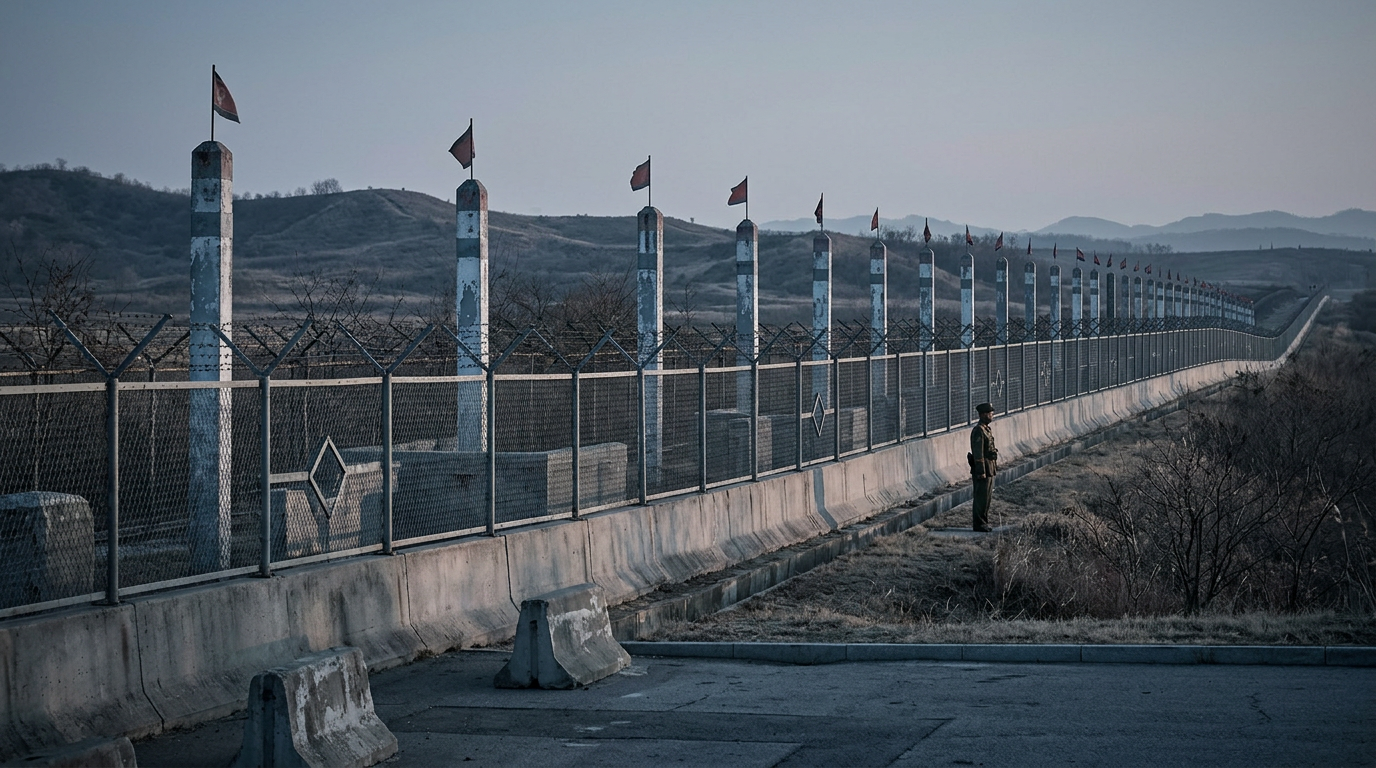
North Korea has amended its constitution, formally defining its territory as bordering "China and Russia to the north and the Republic of Korea to the south." This change removes previous territorial claims over South Korea and eliminates references to "peaceful unification" and "imperialist aggressors."
The amendments also no longer identify Seoul as the "primary foe." This constitutional shift aligns with North Korea's previously adopted two-state theory regarding South Korea.
This redefinition of territory removes a legal pretext
This redefinition of territory removes a legal pretext for North Korean aggression against South Korea. It also clarifies the scope of North Korea's security commitments with Russia and China, as their mutual defense clauses previously had ambiguous territorial interpretations.
By limiting its territorial claims, North Korea aims to enhance the credibility of its deterrence against external attacks. This move could also facilitate continued military cooperation with Russia without concerns of entanglement in an inter-Korean conflict.