North Korea tests cluster-warhead ballistic missiles
North Korea tests cluster-warhead ballistic missiles again on April 20, 2026, KCNA says, as Pyongyang presses ahead after 2019 talks stalled.
Lauren Collins ·
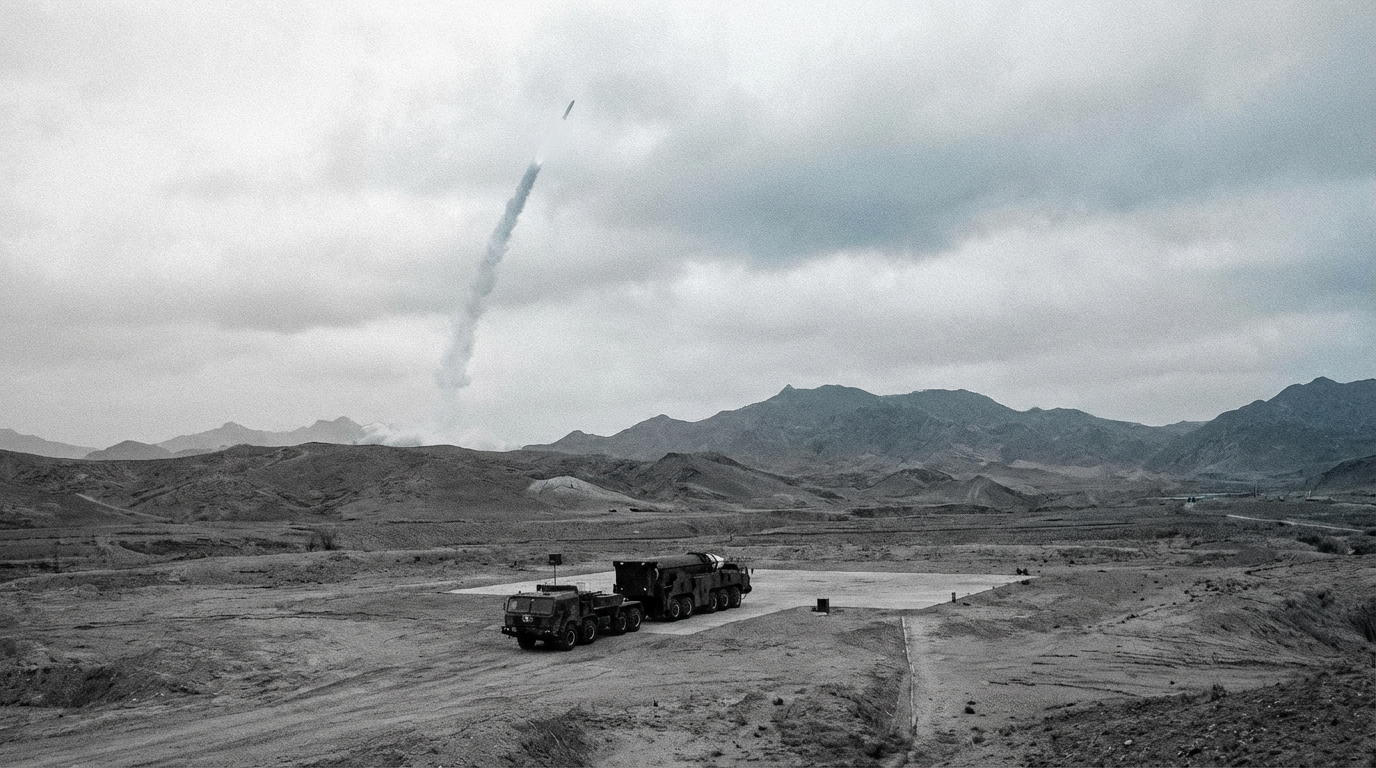
North Korea carried out a second test this month of ballistic missiles fitted with cluster bomb warheads, state media reported. The launches took place on Sunday, April 20, 2026, off the country’s east coast, according to the official Korean Central News Agency (KCNA).
KCNA said leader Kim Jong Un observed the test alongside his daughter. The report described five upgraded Hwasong-11 Ra surface-to-surface ballistic missiles being fired, and said the missiles hit an island target. KCNA added that Kim expressed satisfaction with the results and highlighted the test as important for improving what it called “high-density striking capability.”
The latest launch followed an earlier test this month involving Hwasong-11 Ka missiles, KCNA said. In that earlier report, North Korea claimed the system could devastate an area of 6.5-7 hectares (16 to 17.2 acres). The two tests together point to continued work on missile payloads and warhead effects, with KCNA framing the effort as part of strengthening operational performance.
KCNA’s account linked the tests to North Korea’s broader push to advance weapons it says are intended to overcome U.S. and South Korean defenses. The report comes against the backdrop of stalled diplomacy: denuclearization talks with the United States broke down in 2019, after which North Korea has repeatedly emphasized development of more advanced systems. The source material cited ongoing focus on capabilities including multi-warhead nuclear missiles and hypersonic weapons.
Cluster munitions, which disperse many smaller bomblets across a wide area, have drawn attention in recent global conflicts, the source material noted. More than 120 countries have banned these weapons under an international treaty, but North Korea, Iran, Israel, and the United States are not signatories. The renewed emphasis on cluster-type warheads therefore intersects with a wider international debate over the humanitarian and military implications of such weapons.
Officials did not provide additional technical detail beyond KCNA’s description of the missiles, the target, and the claimed impact area from the earlier test. The source material also said North Korea’s repeated testing of these warheads may be aimed at increasing leverage for possible future diplomatic engagement with the United States, particularly with upcoming international meetings.
What remains unclear from the report is how quickly these tested configurations could be fielded at scale, and how other governments will respond in the near term.