

Victoria Faces Energy Supply Risks Following 2028 Coal Plant Retirement
Victoria faces a 2028 energy supply gap after the Yallourn closure. Experts warn current plans may fail to prevent potential shortages and price hikes.
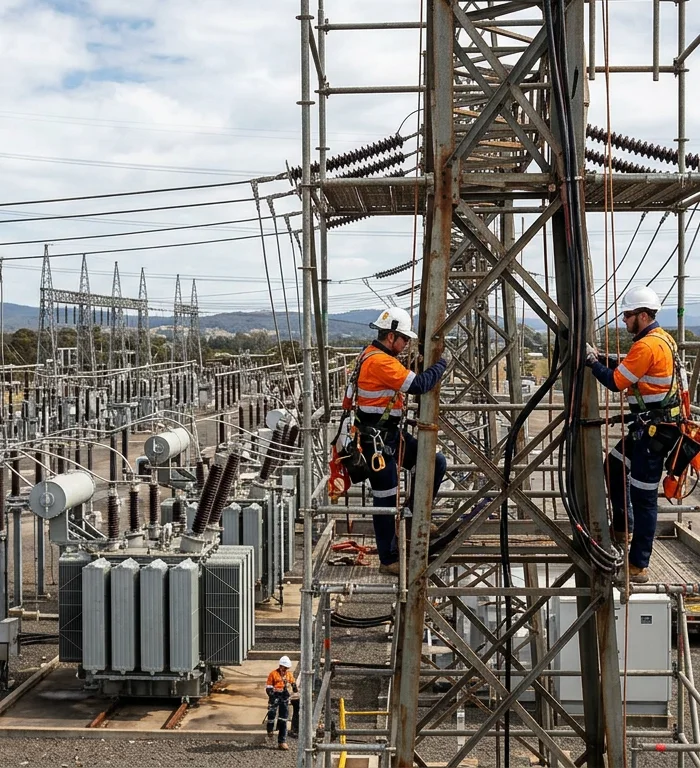
Victoria faces a significant electricity supply deficit following the scheduled 2028 closure of the Yallourn coal-fired power station, which currently provides approximately 20% of the state's energy. Analysts warn that neither major political party has presented a comprehensive strategy to replace this capacity, creating risks for grid stability and consumer pricing. The urgency of the situation is compounded by rising energy demand from data centers and the ongoing electrification of the residential and transport sectors.
The state’s energy security is further challenged by the depletion of offshore gas reserves in the Bass Strait, which has historically supported the regional economy. With gas prices rising 62% over the last five years and electricity costs increasing by 18%, the transition to renewable energy is viewed by experts as a critical mechanism to mitigate future price volatility. However, the current political discourse remains divided on the necessary infrastructure build-out.
Bass Strait
The Coalition has proposed halting major transmission projects, including the VNI West link and the Western Renewables Link, in favor of an independent review of the state's transmission strategy. Their platform includes reversing policies that mandate all-electric new homes and increasing support for gas exploration. Critics argue these policies threaten the state’s ability to import power from neighboring regions and jeopardize emission reduction targets, which remain set at 75%–80% below 2005 levels by 2035.
Conversely, the incumbent government continues to support grid expansion and offshore wind development, though it has also faced criticism for project delays and the cancellation of specific renewable energy zones. Industry experts emphasize that the current timeline requires an acceleration of renewable infrastructure, including wind, solar, and battery storage, to prevent supply shortfalls. Failure to expedite these projects is expected to result in increased reliance on expensive gas generation, directly impacting household and commercial electricity bills.
More stories
- Singapore core inflation eases to 1.5% in October
- Greece targets 2.3% growth in 2027 budget
- US stocks face Goldman warning on further forced selling
- Bitcoin falls below $57,742 as investors seek other bets
- Nvidia SEC probe examines chipmaker’s accounting issues
- Rwanda women-owned exports fall 51% from 2021 peak
- US jobless claims decline as benefit rolls reach 2024 low
- Wall Street gains as Brent slips below $102 level
Latest news
- Nigeria's family-planning budget falls 97%
- Peter Attia reviews cold therapy claims on longevity
- Social Security raises 2027 benefits 3.6%
- Hull City 2–0 Brighton: When Resilience Beat Reputation
- David Parr House to honor Victorian art-workman with blue plaque
- Iran's attacks hit 25 tankers near Strait of Hormuz
- FCC approves prison cellphone jamming despite 2.5-mile warning
- Russia strikes Ukraine as Odesa faces electricity strain