US Leans on Sanctions to Curb Iran
U.S. shifts Iran strategy to sustained economic pressure nearly eight weeks in, as the Strait of Hormuz stays closed and markets face energy strain.
Lauren Collins ·
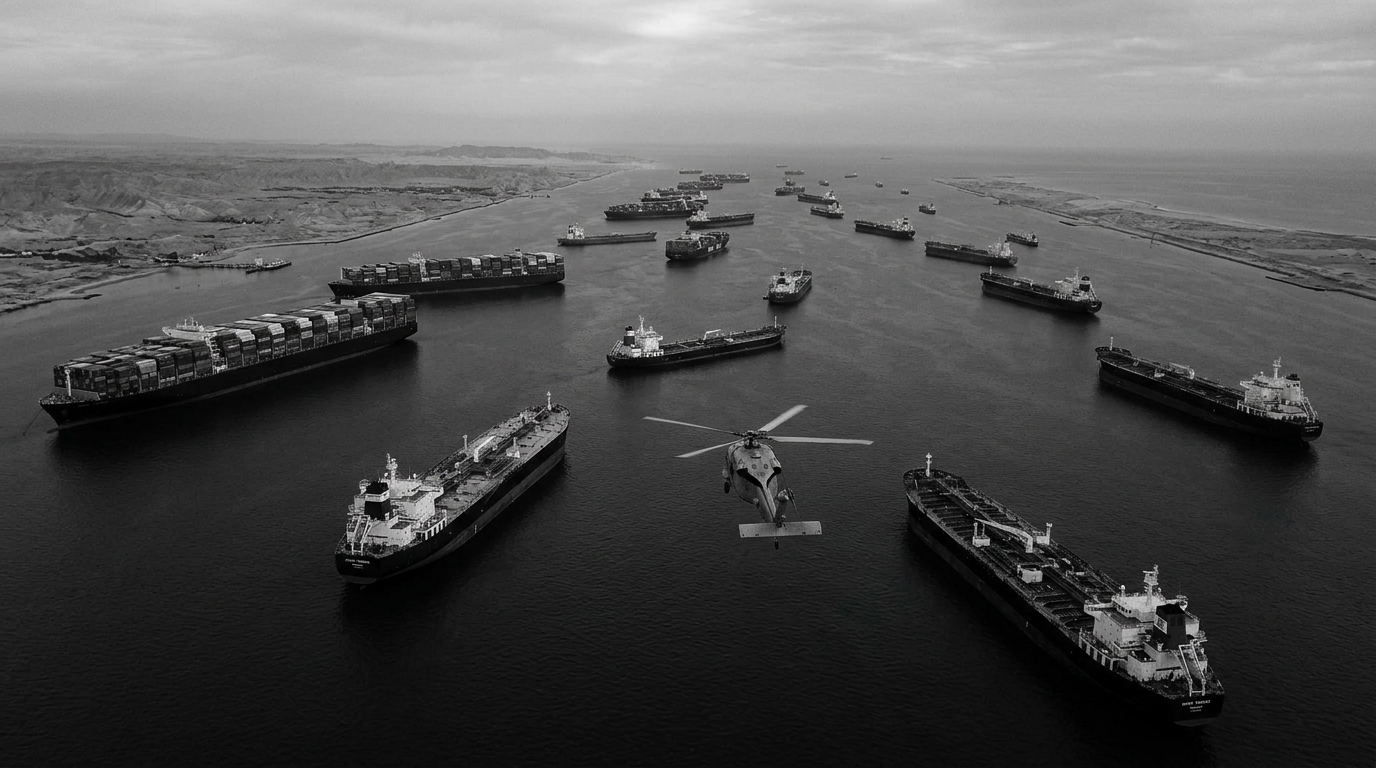
WASHINGTON — The United States has adjusted its approach toward Iran, moving from an initial phase centered on military action to a longer-term campaign of economic pressure nearly eight weeks after operations began, according to senior officials. The stated objective is to push Iran toward negotiations on what officials described as a durable agreement, even as the Strait of Hormuz remains closed and continues to weigh on the global economy.
The White House has argued that joint U.S.-Israeli strikes disrupted Iran’s leadership and prevented it from consolidating power. Officials said the updated approach was shaped during a recent meeting of the national security team, with an emphasis on sustaining economic pressure as a pathway toward reopening the Strait of Hormuz. At the same time, officials indicated the U.S. is waiting for a unified Iranian response to ceasefire proposals.
That recalibration has unsettled some career officials, lawmakers, and foreign partners, who see uncertainty around how the conflict will be resolved and how the closure of the strategically important waterway will be addressed. European diplomats have voiced particular concern about potential spillover effects, reflecting broader allied unease about the absence of a clearly defined, durable end-state while the strait remains shut.
The continued closure has contributed to an energy crisis that has rippled through global markets. The disruption has also affected aviation, with airlines cutting flights as jet fuel supplies have fallen to critically low levels, according to the account. These pressures underscore the strait’s central role in global energy and transport systems, and the speed with which a prolonged disruption can transmit stress across multiple sectors.
S. aircraft carrier to the region, the White House has appeared reluctant to pursue a military route aimed specifically at reopening the strait. Analysts cited in the account said a naval escort mission—modeled on previous efforts—would be expensive and may still fail to provide sufficient confidence for commercial shipping firms. S. munitions availability.
Those stockpile concerns were highlighted by a recent analysis from the Center for Strategic and International Studies. The analysis said the U.S. has used about 1,430 of an estimated 2,330 Patriot missiles, with each missile costing nearly $4 million, raising questions about constraints on future operations. For now, the central uncertainty remains whether economic pressure and diplomacy can produce a unified Iranian response and a reopening of the Strait of Hormuz without a new military push.