North Korea Launches Ballistic Missiles
North Korea launches multiple short-range ballistic missiles on May 17, 2024, South Korea says, as Seoul and U.S. agencies analyze.
Lauren Collins ·
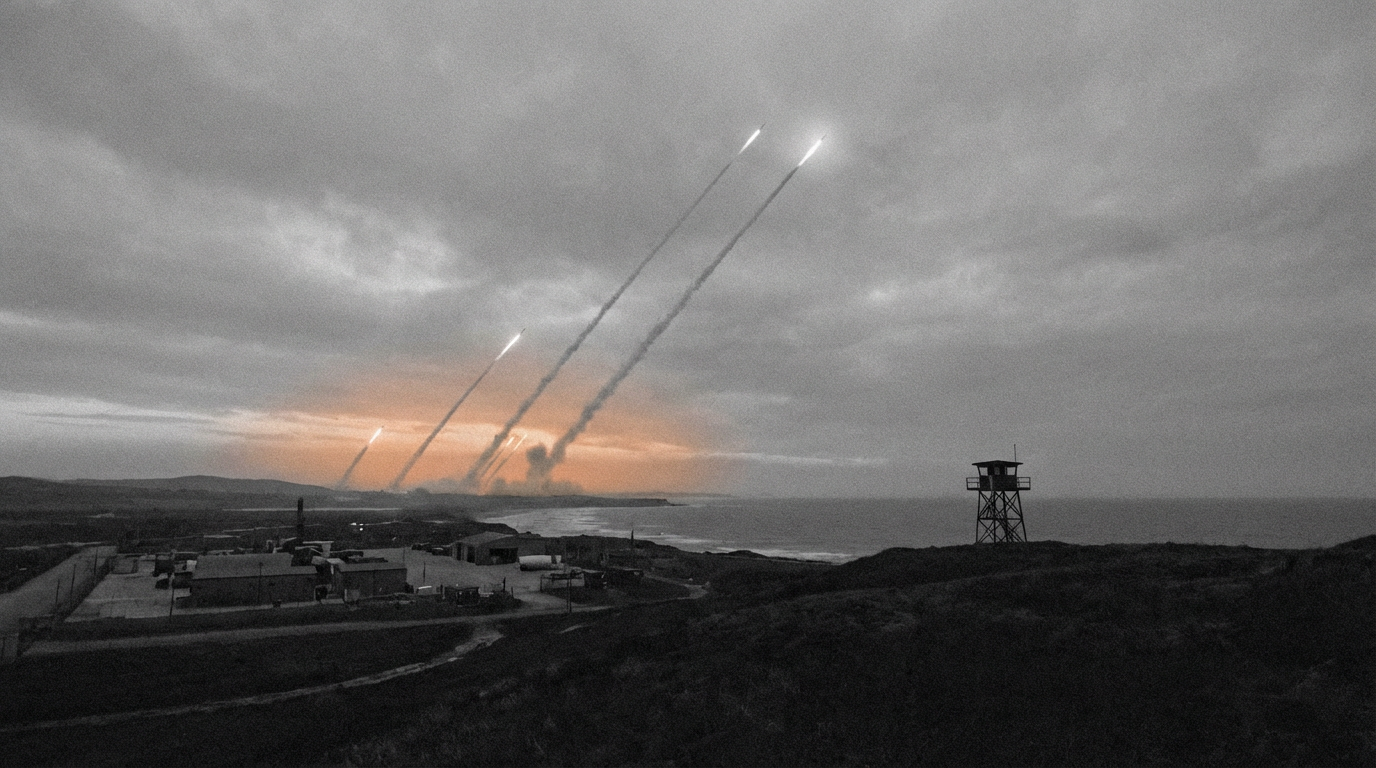
North Korea fired multiple short-range ballistic missiles into the sea off its eastern coast on Friday, May 17, 2024, South Korea’s military said. South Korea’s Joint Chiefs of Staff reported it detected the launches from the North Korean capital region of Pyongyang. The missiles flew about 300 kilometers (186 miles) before falling into waters east of the Korean Peninsula.
South Korean and U.S. intelligence agencies are carrying out a detailed assessment of the launches, according to the South’s military. Officials did not provide additional technical details in the initial disclosure, and the full findings of the analysis were not immediately available. The event adds to a pattern of weapons activity that South Korean officials have described as contributing to heightened tensions on the Korean Peninsula.
The launches came shortly after North Korea’s state media, KCNA, reported that leader Kim Jong Un visited a military-run factory that produces tactical missile systems. KCNA said Kim used the inspection to stress the need to strengthen the country’s war deterrence capabilities. The timing linked the missile activity with a public message from Pyongyang about weapons production and readiness.
South Korea’s military framed the launches as part of a broader series of tests by Pyongyang. The latest firing was described as consistent with North Korea’s stated push to update its arsenal and reinforce its strategic posture in the region. The South’s military did not specify how many missiles were launched, beyond saying there were multiple projectiles.
For regional stakeholders, the immediate focus is on what the intelligence review concludes about the missiles’ characteristics and the intent signaled by the launch profile. South Korea and the United States routinely coordinate on monitoring and assessment when such launches occur, and the ongoing analysis indicates that officials are still working to establish a complete picture. Any additional official readouts would likely clarify technical aspects and the broader operational context.
Beyond the peninsula, the episode underscores how developments in Northeast Asia can quickly become a wider diplomatic and market-relevant issue, given the involvement of U.S. intelligence agencies and the sensitivity of security conditions in a major global manufacturing and trade corridor. However, key uncertainties remain, including the detailed results of the joint intelligence analysis and any further actions North Korea may take following the factory inspection highlighted by KCNA.