Kyiv Slams US Waiver on Russian Oil Sanctions
Ukraine condemns U.S. waiver extension allowing Russian oil purchases loaded at sea until May 16, citing war-financing concerns.
Lauren Collins ·
Ukrainian President Volodymyr Zelensky on Sunday criticized the United States for extending a sanctions-related waiver that allows continued purchases of Russian oil under specific conditions, despite broader Western restrictions tied to the war in Ukraine. Zelensky said the decision undermines efforts to limit Moscow’s ability to finance its military campaign. He argued that money spent on Russian oil ultimately supports Russia’s war effort against Ukraine.
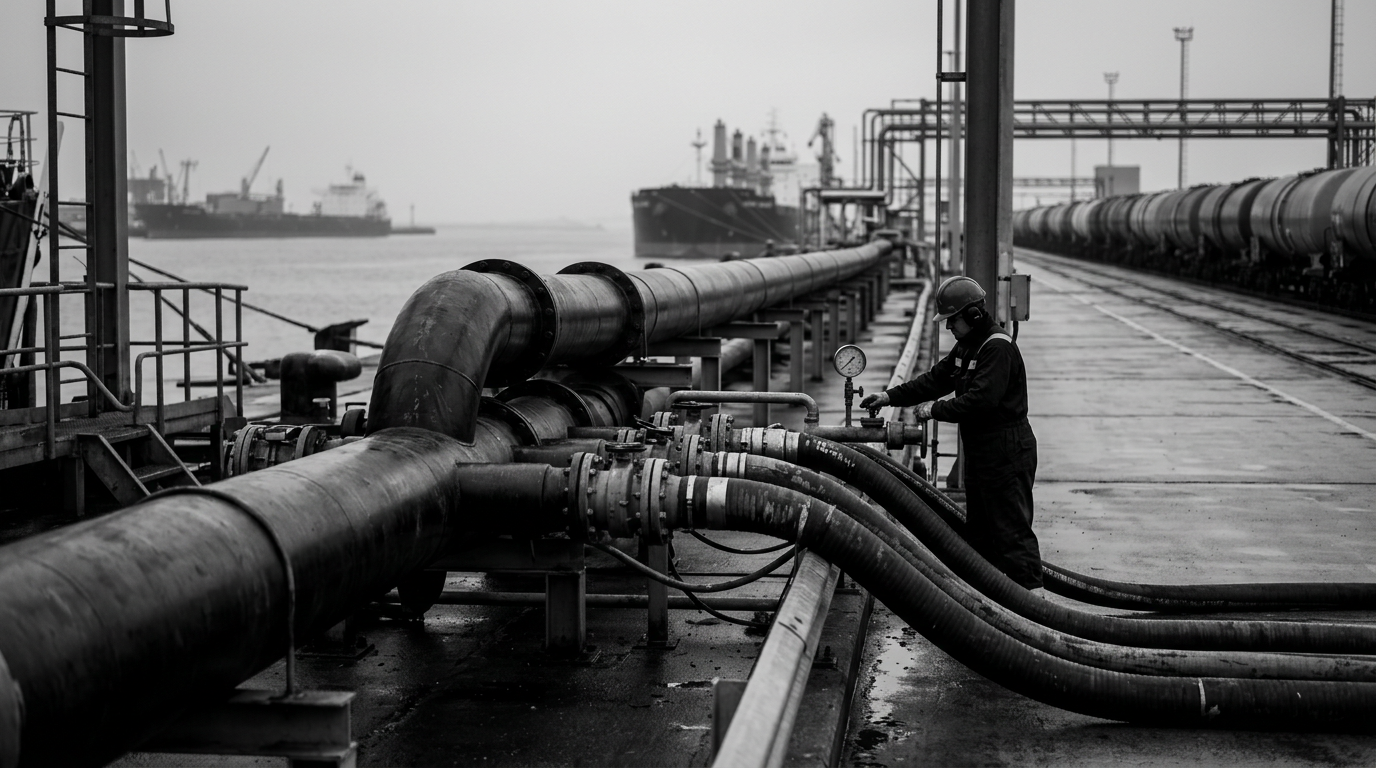
The waiver extension permits countries to buy Russian oil and petroleum products that are loaded on vessels at sea until May 16. Officials said the measure was first implemented on March 13 and was extended on Friday. The U.S. Treasury Department cited the need to maintain oil availability as negotiations aimed at ending the conflict in the Middle East accelerate, and as energy supply risks remain elevated.
Zelensky said Russia has a “shadow fleet” of more than 110 tankers transporting more than 12 million tons of oil, which he said could generate $10 billion for Moscow. He said that revenue would directly support new attacks against Ukraine. His remarks framed the waiver as a policy choice with immediate consequences for Ukraine’s security, given the scale of recent strikes he attributed to Russia.
According to Zelensky, Russia launched more than 2,360 attack drones, over 1,320 guided aerial bombs, and nearly 60 missiles over the past week. He also referenced a major attack on April 15 that killed at least 18 people. Ukraine has repeatedly urged partners to tighten enforcement around energy-related restrictions, arguing that oil income remains a central source of funding for Russia’s military operations.
Sanctions on Russia have been in place since its full-scale invasion of Ukraine in February 2022. The war has reshaped global energy and commodity flows, with governments balancing pressure on Russia against concerns about supply disruptions and price volatility. The U.S. decision was presented as a step to reduce the risk of shortages at a time when the Middle East conflict has added to uncertainty in energy markets.
The conflict in Ukraine remains unresolved, with Russia currently controlling approximately 20% of Ukrainian territory and the front lines described as largely stalemated. The waiver’s extension highlights the tension between sanctions policy and energy security priorities, and it underscores the difficulty of sustaining restrictions while managing global supply conditions.
It remains unclear how the waiver will affect purchasing behavior before May 16 and how partners will respond to Zelensky’s criticism.