Vance Begins Pakistan Talks on Hormuz Access, Iran
Vance opened Iran talks in Islamabad on Friday, aiming to de-escalate tensions and reopen the Strait of Hormuz amid blocked-asset demands.
Lauren Collins ·
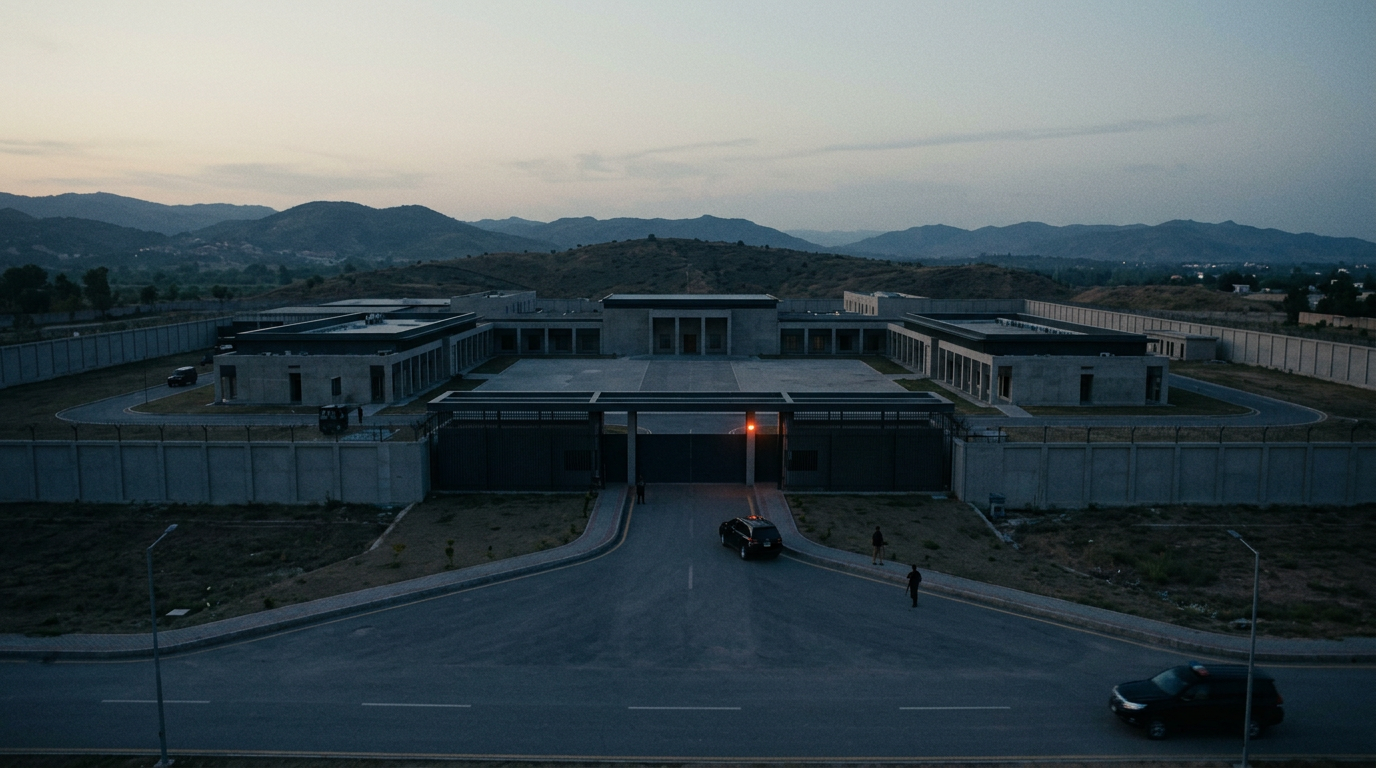
U.S. Vice President JD Vance arrived in Islamabad, Pakistan, on Friday to begin senior-level talks with Iranian officials focused on lowering tensions tied to the ongoing conflict between the U.S.-Israel alliance and Iran. Officials described the effort as an attempt to move beyond a fragile, rhetorical ceasefire and toward a more durable arrangement, with the reopening of the Strait of Hormuz identified as a central objective.
The meeting is being framed as a rare diplomatic step: it is the first engagement of its kind at the vice-presidential level since the 1979 Iranian Revolution. The talks are intended to test whether the parties can translate public de-escalation language into a more stable peace agreement, even as both sides enter discussions with sharply defined conditions and leverage.
One immediate obstacle is Iran’s demand that its blocked assets be released before substantive negotiations proceed. Iranian parliamentary speaker Mohammad Bagher Ghalibaf said those conditions must be met ahead of meaningful talks, a stance that signals a potentially lengthy bargaining process and raises uncertainty about how quickly the discussions can move from procedural disputes to core security and political issues.
Vance’s mission is also complicated by Iran’s perceived strengthened position, particularly its asserted control over the Strait of Hormuz. The strait is described by officials as a critical global shipping lane, and the negotiations are taking place against the backdrop of concerns that access could be constrained or disrupted, amplifying pressure on all parties to find a workable path to de-escalation.
For global markets, the stakes are closely tied to energy flows and logistics. Officials warned that disruptions to the Strait of Hormuz could trigger fuel shortages and broader supply chain crises, making the outcome of the Islamabad talks relevant well beyond the region. The risk is not limited to energy pricing; uncertainty around shipping routes and delivery timelines can also affect trade-sensitive sectors that depend on predictable maritime transit.
The U.S. administration has said it is prepared to engage in good faith while remaining firm against what it views as attempts by Iran to exploit the situation. That posture sets up a negotiation dynamic in which both sides are signaling openness to talks but also drawing clear red lines, leaving the near-term trajectory dependent on whether procedural demands—starting with the question of blocked assets—can be bridged.
What remains unclear is whether the parties can quickly establish terms for substantive discussions or whether the process will stall over preconditions. The talks’ significance lies in their level and timing, but their durability will depend on whether they can produce a stable peace framework and restore confidence in access through the Strait of Hormuz.