AI Boom Strains U.S. Air Quality Rules and Coal Use
AI boom-linked power demand is cited as the driver behind a February rollback of U.S. soot rules, extending coal plant operations and raising health concerns.
Lauren Collins ·
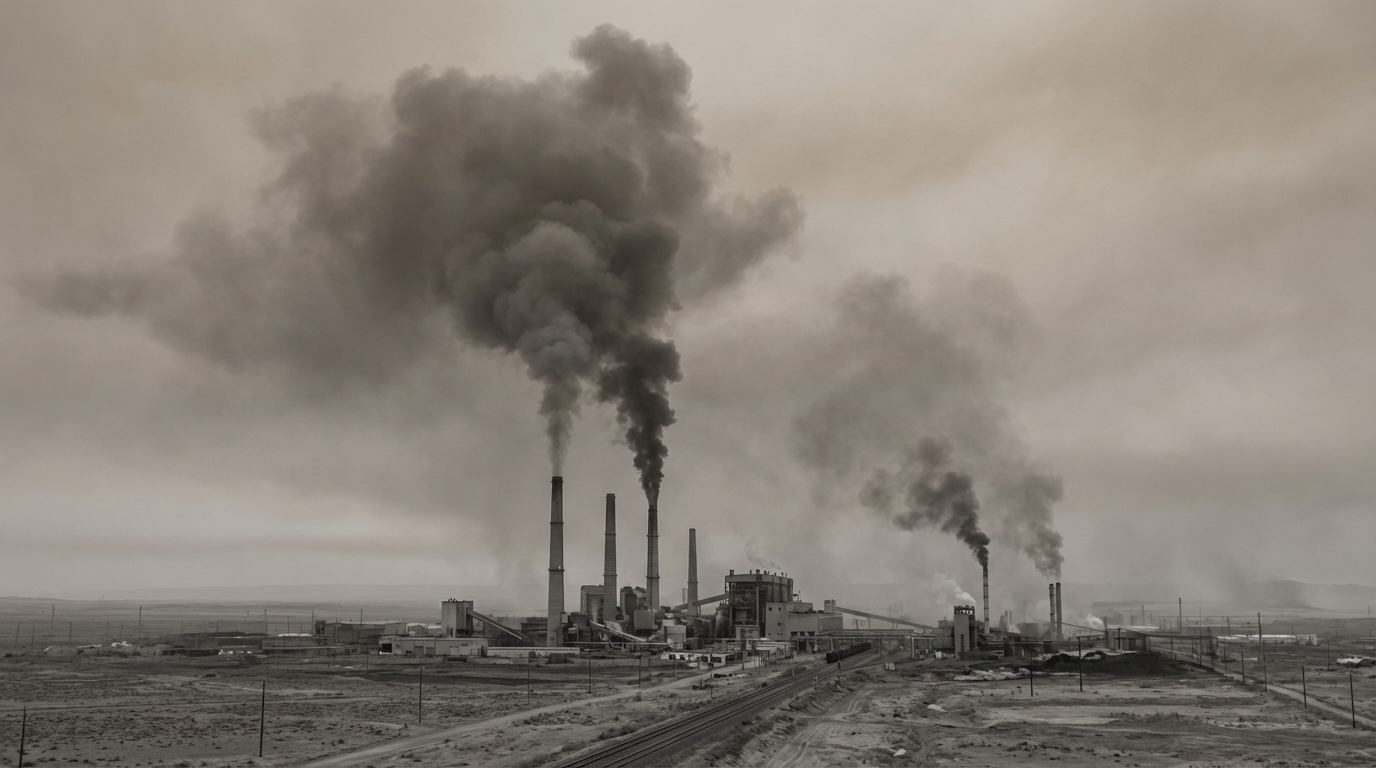
Washington, D.C. — The Trump administration in February reversed federal clean-air regulations, a move that officials framed as necessary to meet rising electricity needs tied to artificial intelligence (AI) data centers. The change came before new standards were due to take effect in 2027 and is expected to make it easier for coal-fired power plants to keep operating longer.
The rollback focused on tighter soot standards that were adopted in 2024 under the Biden administration. Those rules would have required major emissions cuts from certain facilities, including Ameren’s Labadie Energy Center, which is linked in the source material to air-quality concerns in and around St. Louis, Missouri.
Energy demand projections cited by the U.S. Department of Energy place AI and data center growth at the center of the policy shift. The department projects an additional 50 gigawatts of electricity demand by 2030, described as nearly a 4% increase compared with the 1,300 gigawatts produced by all U.S. power plants in 2025. In the source material, that expected load growth is presented as a key reason the administration is backing continued coal generation.
The policy direction marks a break from a longer decline in coal capacity across the United States. Over roughly a decade, the number of U.S. coal plants fell from about 400 in 2015 to 200, according to the figures provided. Retirement patterns also shifted: 94 coal plants with a combined capacity of 15 gigawatts were retired in 2015, while only four plants totaling 2.6 gigawatts were retired in 2025.
The source material also notes that the Department of Energy issued emergency orders to keep some plants online, reinforcing the administration’s push to maintain coal output as demand rises. Critics, including air quality activists and health advocates, argue that the AI boom and related energy policies pose a growing risk to U.S. air quality, particularly if older coal units remain in service longer than previously expected.
Concerns are described as especially acute in communities that already face disproportionate pollution burdens. The source material highlights predominantly Black neighborhoods in North St. Louis as an example of areas where residents and advocates are worried about the health and environmental consequences of extended coal plant operations.