Strait of Hormuz Tensions Snarl Shipping, Boost Oil Prices
Iran Strait of Hormuz tolls are slowing transits, leaving about 2,000 vessels stranded as of March 26, 2026 and oil tops $100.
Lauren Collins ·
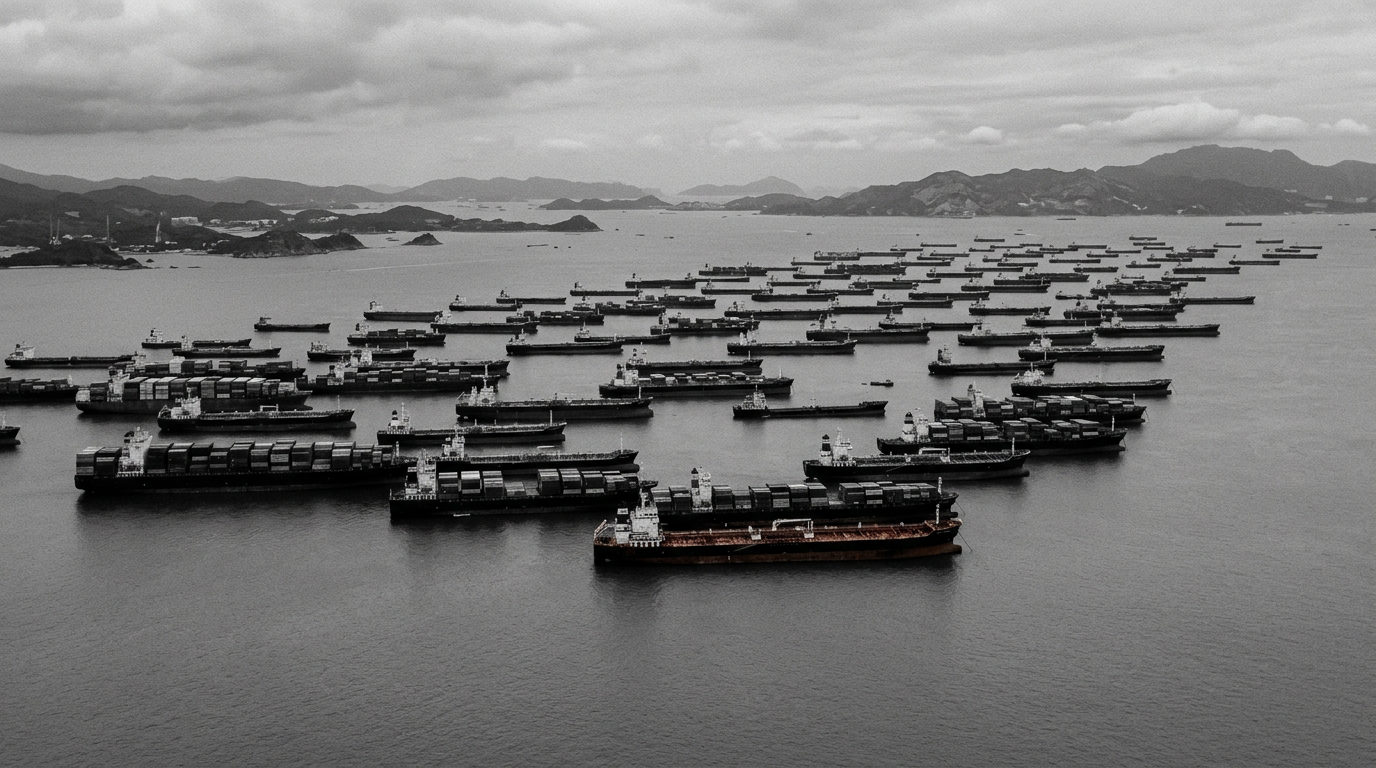
Iran has begun enforcing what amounts to a paid-clearance regime for ships moving through the Strait of Hormuz, a chokepoint central to global energy flows.
The move is being carried out by the Islamic Revolutionary Guard Corps (IRGC) and is unfolding as the U.S.-Israel conflict continues, adding a new layer of operational risk for shipping and commodity markets.
What changed in the strait
As of March 26, 2026, about 2,000 vessels were reported stuck near the strait after the new process effectively slowed or halted transits for ships that have not completed IRGC-directed steps.
Under the system, operators must provide detailed voyage and vessel information—such as cargo, crew, and destination—to intermediaries linked to the IRGC for screening.
Once cleared, ships receive a code and routing instructions, and IRGC naval units then escort approved vessels through Iranian territorial waters.
How the process is being applied
The mechanism has been used for at least 26 transits over the past two weeks, indicating it is already functioning beyond a pilot stage.
Some of those passages reportedly occurred with vessels not broadcasting Automatic Identification System (AIS) signals, a practice that can reduce transparency for insurers, charterers, and maritime monitors.
Energy-market pressure builds
The shipping disruption has coincided with a sharp rise in crude prices, with global oil trading above $100 a barrel.
That level is described as roughly 40% higher than before the conflict began on February 28, underscoring how quickly geopolitical stress around Hormuz can transmit into energy costs.
Political and legal framing inside Iran
Iran is portraying the charges as payment for providing security in the waterway, while lawmakers are moving to put the fee structure on a formal legal footing.
Proposed legislation in Iran’s parliament is being finalized to codify the collection of duties for passage through Iranian territorial waters, reflecting an effort to institutionalize what is currently being implemented operationally by the IRGC.
Costs, uncertainties, and what remains unclear
Some vessels have reportedly been billed as much as $2 million for transit, adding a direct cost on top of delays and higher risk premiums.
Key details remain uncertain from available information, including how fees are calculated across ship types, whether exemptions exist, and how consistently the process will be applied across flags, cargoes, and destinations.
For markets and governments, the immediate issue is that a critical maritime corridor is now subject to an additional approval layer that can slow throughput, complicate compliance, and amplify price volatility.