US and Israel Intensify Military Strikes Across Iran Targeting Missile Production Facilities
U.S.-Israel strikes intensified across Iran on March 26, 2026, as Hormuz toll plans and conflicting talk claims add energy and food price pressure.
Lauren Collins ·
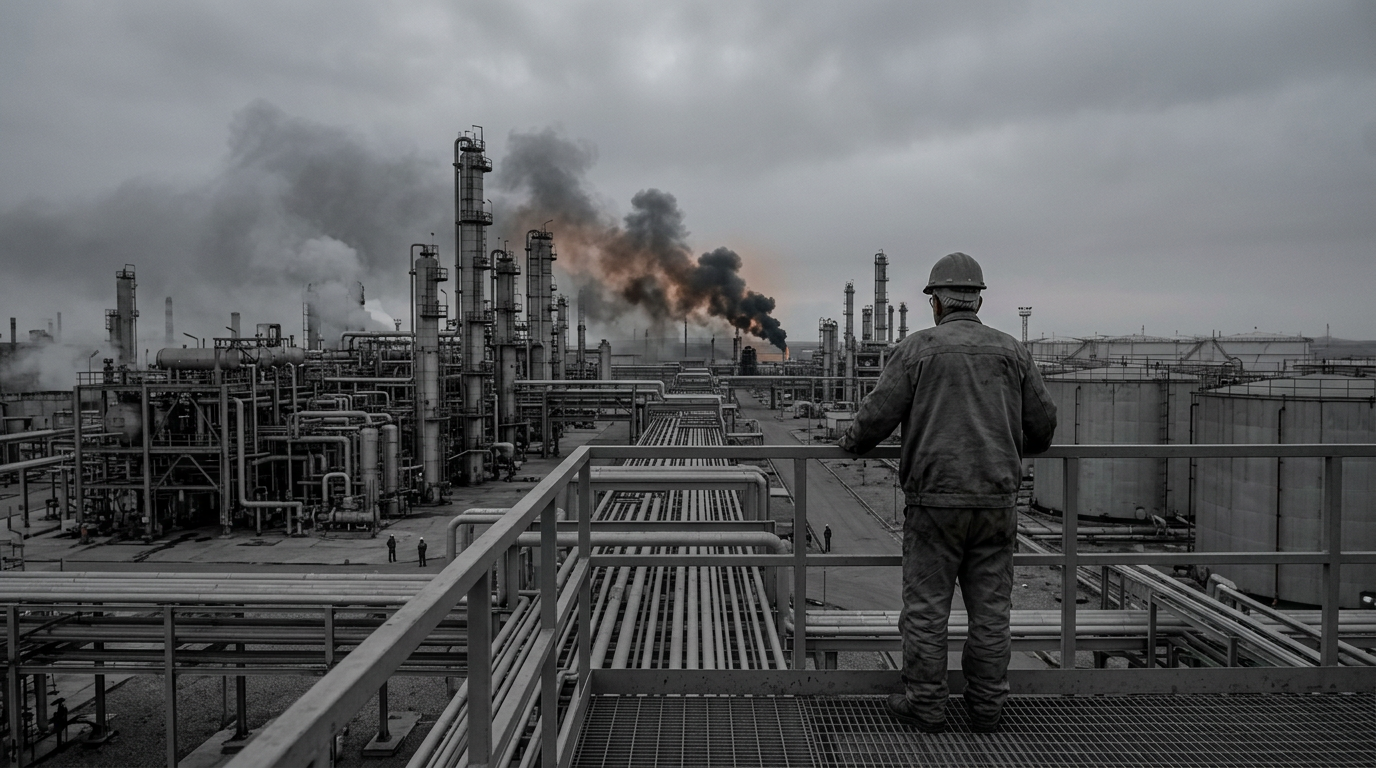
Military operations by the United States and Israel against Iran intensified on March 26, 2026, with a higher tempo and broader geographic reach reported inside Iran.
The escalation is unfolding alongside mixed messaging on diplomacy: U.S. President Donald Trump said discussions are in progress, while Iranian officials rejected that account and said they will continue what they describe as “resistance.”
Escalation and reported damage
Reporting from Al Jazeera correspondents in Tehran described widespread strikes, with particular focus on central areas including Isfahan.
Iranian media reported civilian casualties, including the deaths of two teenage boys in Shiraz. The source material does not provide independent verification or additional details on the circumstances.
Targets and retaliatory actions
On the U.S. side, the campaign has included attacks on Iran’s missile and drone industrial base. The U.S. has targeted roughly two-thirds of Iran’s missile and drone production facilities, according to the information provided.
Iran has responded with strikes aimed at Israel and at Gulf countries, the source material says. Specific locations, damage assessments, and casualty figures for those retaliatory attacks were not provided.
Strait of Hormuz risk moves into legislation
Iran’s parliament is preparing a bill that would introduce tolls on vessels passing through the Strait of Hormuz, a narrow maritime corridor central to global oil flows.
While the proposal is not described as enacted, the legislative preparation signals Iran’s intent to use its geographic leverage at a key energy chokepoint. The scope of any tolls, enforcement mechanism, and timeline remain unclear based on the available information.
Regional security spillovers
Elsewhere in the Gulf, Kuwait has arrested people it alleges are connected to Hezbollah and were planning assassinations, according to the source material.
Saudi Arabia reported intercepting drones headed toward oil facilities, while Bahrain described the situation as “Iranian aggression.” The United Arab Emirates also reported intercepting incoming missiles and drones.
Market pressures and policy signaling
Oil prices have risen amid the conflict, and the source material links the fighting to higher global energy and food costs. Analysts cited in the material warned that food security could face significant strain if disruptions persist.
In Washington, Trump repeated warnings of severe consequences if Iran does not accept a deal. Analysts described those statements as strategic signaling rather than an indication of immediate operational shifts, though the source material does not specify which analysts or institutions made that assessment.