WHO Warns Regional Health Services Are Collapsing Across 22 Middle Eastern Countries
WHO warns a Middle East health crisis is spreading as conflict hits hospitals, disrupts chronic care, and raises risks to water infrastructure.
Lauren Collins ·
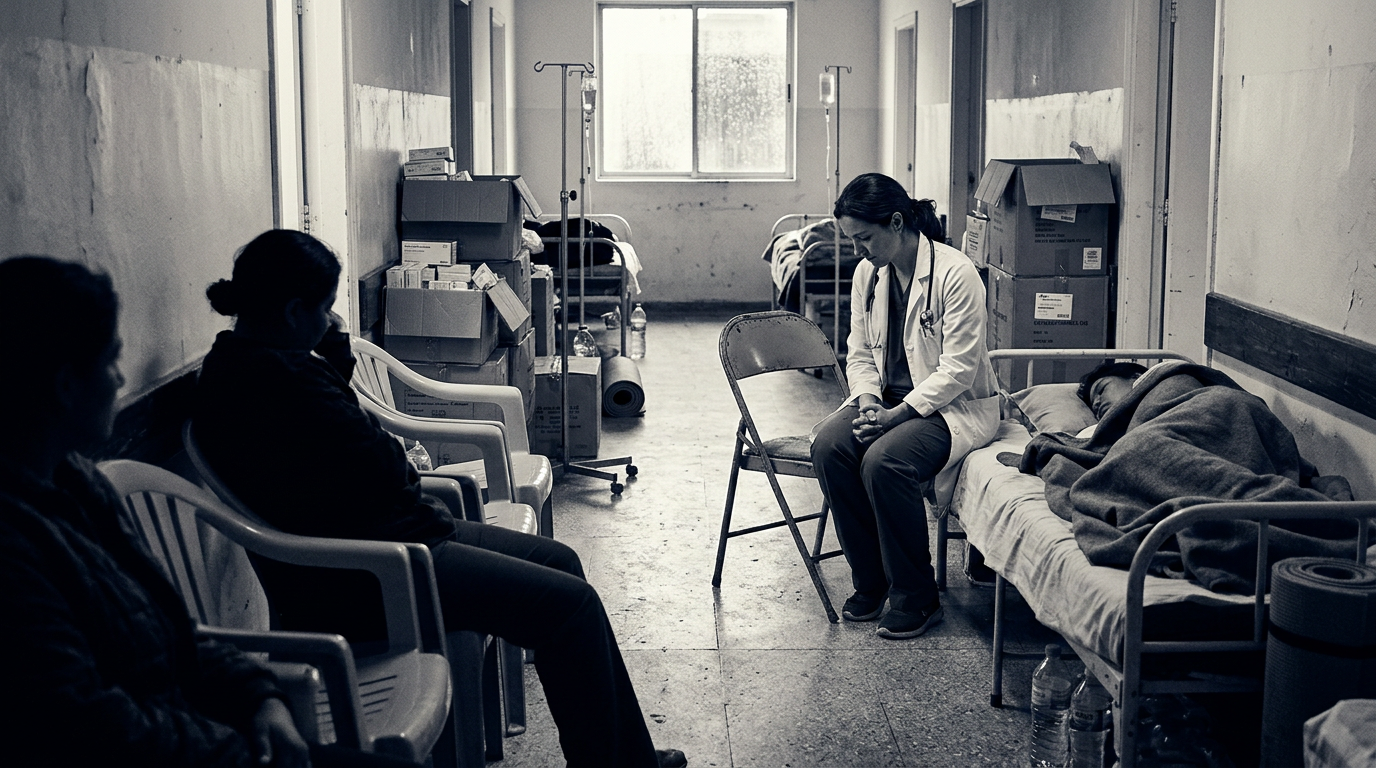
The World Health Organization said Tuesday that parts of the Middle East are facing a regional health emergency as fighting intensifies and medical services come under pressure.
The agency linked the deterioration to ongoing hostilities and strikes affecting health facilities, warning that access to care is breaking down across a wide swath of the region.
What the WHO said
Dr. Hanan Balkhy, the WHO’s regional director for the Eastern Mediterranean, said the impact is being felt across 22 countries and territories in the region.
She cited a broad collapse in the ability to reach healthcare, naming Iran , Lebanon , Sudan , Afghanistan , and Pakistan among the places affected.
Hospitals hit and care disrupted
The WHO said conflict-driven displacement is rising and that routine treatment is being interrupted, including care for long-term conditions that require consistent medication and monitoring.
As an example of the direct toll on medical infrastructure, the WHO referenced an attack on El-Daein teaching hospital in East Darfur, Sudan, that it said killed at least 70 people .
Those reported killed included 13 children , two nurses , and a doctor , and the hospital was left unable to function, the WHO said.
Verified attacks and reported death tolls
The agency said it has verified dozens of incidents affecting healthcare sites in Lebanon , Iran , and Israel since the start of the US-Iran conflict .
In the same context, the WHO cited conflict-related deaths of more than 1,000 people in Lebanon, 1,500 in Iran, and 16 in Israel, while also noting additional fatalities in the West Bank and Gulf Arab states.
High-risk infrastructure concerns
Dr. Balkhy also flagged risks beyond hospitals, including potential consequences for nuclear facilities and water desalination plants.
She said an attack on desalination capacity would be “catastrophic” for water availability in Gulf countries, underscoring how damage to critical infrastructure could rapidly widen the humanitarian impact.
Response steps and what remains uncertain
The WHO said it is developing guidance for scenarios involving such high-risk sites and is working with other United Nations agencies to reduce the chance of large-scale harm.
However, the WHO did not provide a detailed timeline for the guidance, nor did it specify the full list of verified incidents, leaving uncertainty about the scope and pace of further deterioration.
Calls for protections under international law
The organization reiterated an urgent call for a lasting end to hostilities and for compliance with international humanitarian law, including protections for medical workers and facilities.
For governments, investors, and aid agencies, the warning highlights how conflict can quickly translate into broader economic and social strain when healthcare systems and water supply infrastructure are threatened.