NATO Pledges $60B for Ukraine's Long-Term Defense
NATO pledges about $60B in 2026 military and security aid to Ukraine, announced April 16, 2026 in Berlin alongside EU support.
Lauren Collins ·
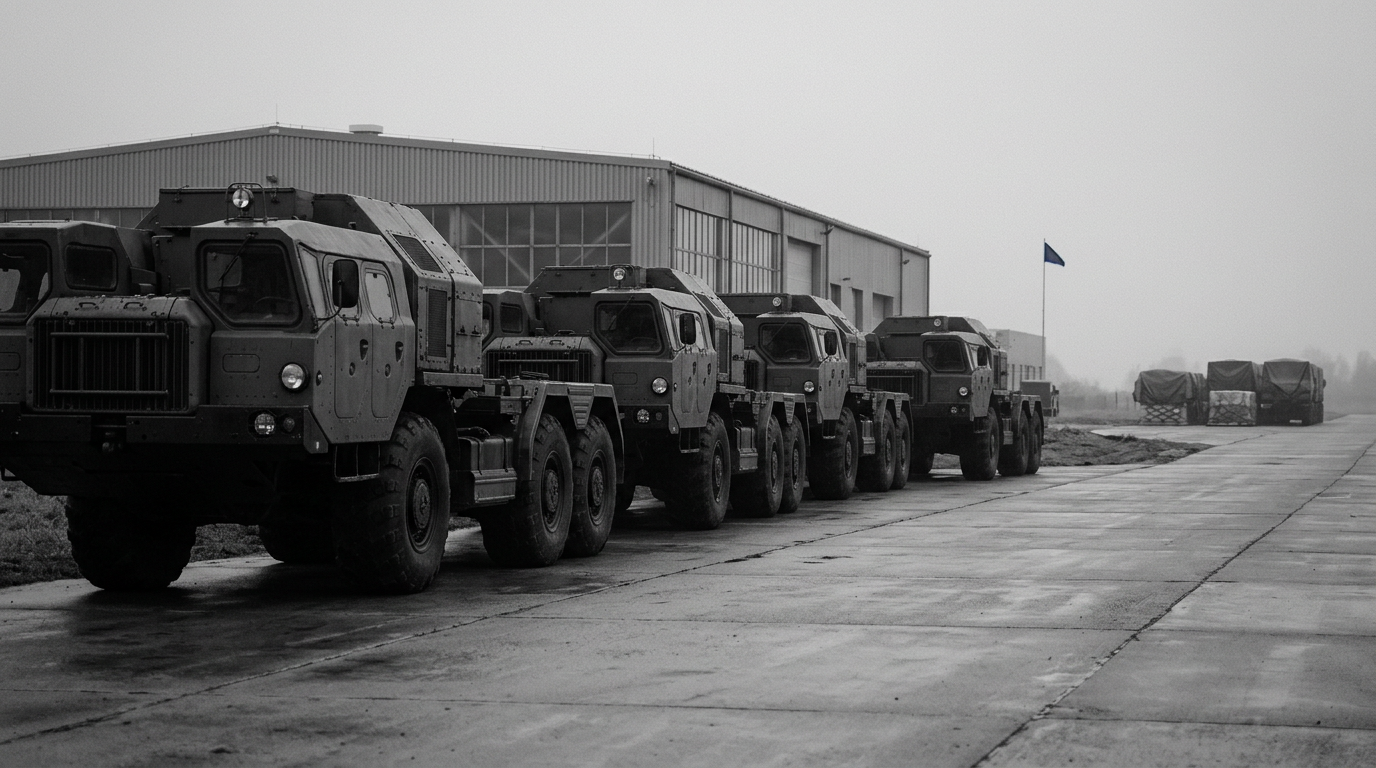
Berlin, April 16, 2026 — NATO allies committed approximately $60 billion in military and security assistance for Ukraine for 2026 , NATO Secretary General Mark Rutte announced during a Ukraine Defense Contact Group meeting in Berlin . The pledge was presented at the Ramstein-format gathering, which officials describe as the main coordination forum for military support to Ukraine involving more than 50 NATO and partner countries.
Rutte said the planned support is intended to address urgent battlefield requirements, with funding directed toward air defense systems , drones , and extended-range ammunition . He framed the commitment as part of a continued effort to strengthen Ukraine’s ability to respond to ongoing aggression, while emphasizing that backing Ukraine’s defense remains a central priority for the alliance.
The NATO commitment was described as supplementing a separate €90 billion loan package from the European Union . Together, the announcements underscore the scale of Western financial and military backing being organized for the coming year, with NATO and EU mechanisms operating in parallel rather than as a single combined program.
Additional national pledges were highlighted alongside the broader NATO figure. Germany previously announced a €4 billion defense package that includes Patriot missiles , and the United Kingdom pledged over 120,000 drones . These commitments were cited as examples of continued contributions from individual allies as the wider coalition aligns priorities and delivery plans.
Rutte also called for a wider sharing of the support burden among allied nations. His remarks pointed to the political and logistical challenge of sustaining large-scale assistance across a coalition of many governments, each with its own budget processes and defense-industrial constraints, even as the Ramstein-format meeting remains the central venue for aligning what is provided and when.
Key uncertainties remain around the timing and sequencing of deliveries within the 2026 pledge, as well as how the various national packages will be synchronized with the NATO-wide commitment and the EU loan framework. Officials did not provide a detailed breakdown of how the approximately $60 billion will be apportioned among contributors or specific systems beyond the stated priority categories.