Secret US-Iran Ceasefire Talks Underway in Islamabad
U.S.-Iran ceasefire talks in Islamabad on April 10 sought a lasting deal as a two-week truce nears its end after five weeks of conflict.
Lauren Collins ·
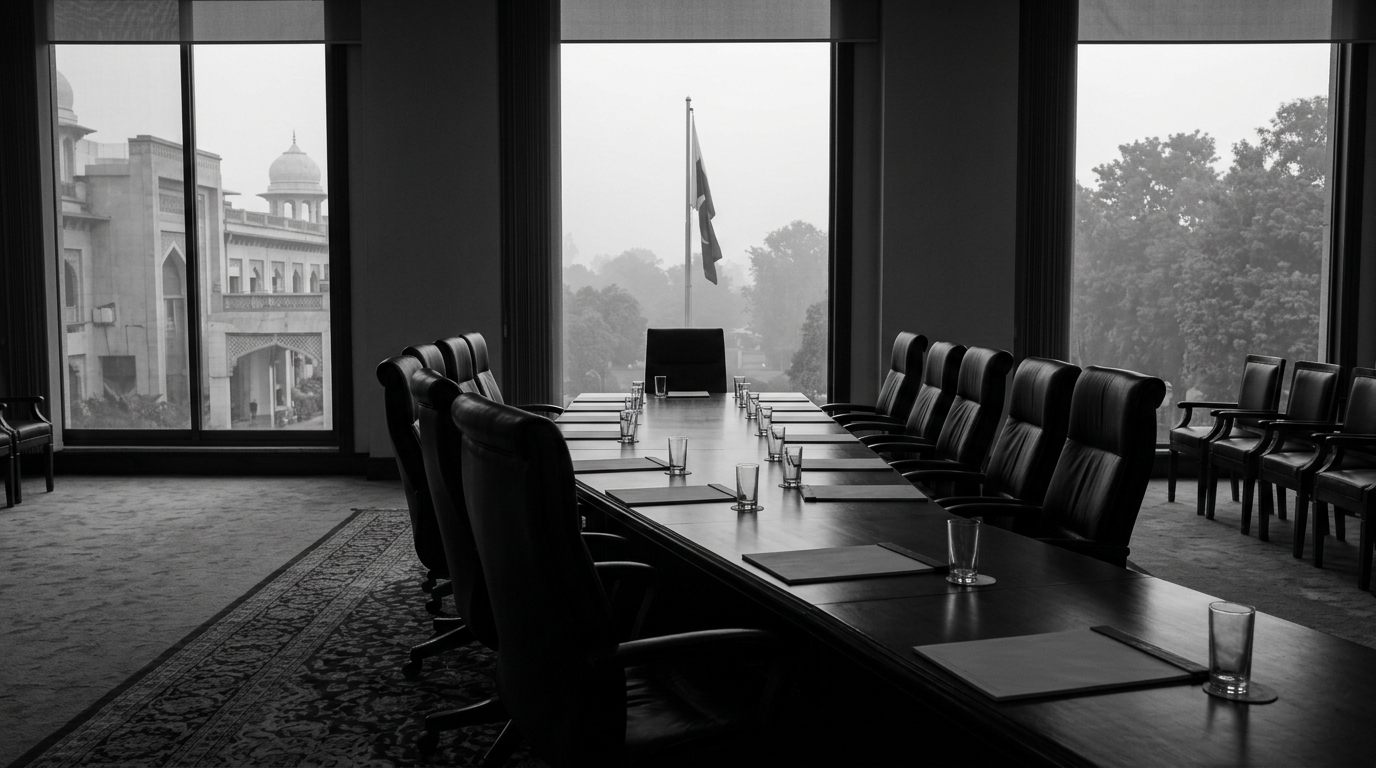
Islamabad, Pakistan — The United States and Iran held senior-level talks in Islamabad on Wednesday, April 10, as both sides sought to secure a durable ceasefire and reduce tensions amid a fragile truce.
The discussions took place during a two-week truce in Iran that is due to expire within a week, after five weeks of conflict. Officials described the ceasefire as fragile, with diplomacy unfolding alongside continued military actions and public warnings.
U.S. Vice President J.D. Vance led the American delegation. He met a large group of Iranian officials headed by Parliamentary Speaker Mohammad Bagher Ghalibaf, according to the account of the meeting. The negotiations lasted 21 hours and centered on a U.S. proposal described as aiming for a comprehensive resolution.
Iran’s foreign ministry spokesman, Esmail Baghaei, outlined Tehran’s stated demands as part of the process. He said Iran is seeking a complete end to hostilities, the removal of sanctions, and reparations for damages linked to U.S.-Israeli attacks.
The diplomatic push came as military pressure and threats remained part of the backdrop. U.S. President Donald Trump reiterated warnings on April 7 about possible strikes on Iranian infrastructure, including bridges and power plants, while also saying he would prefer not to take such steps.
Iranian media reported that a highway bridge on the Tabriz-Zanjan route collapsed last week due to missile fire, forcing traffic to take detours. The United States and Israel have said their strikes are aimed at military sites, including an Islamic Revolutionary Guard Corps (IRGC) barracks near Tabriz.
The conflict has had a significant impact on civilians and has drawn international scrutiny. Legal scholars have raised concerns about possible breaches of international humanitarian law, reflecting the heightened attention on how the fighting is being conducted.
Officials framed the Islamabad talks as a key attempt to de-escalate and address core disputes. The issues cited as part of the broader context included Iran’s nuclear program and Iran’s control over the Strait of Hormuz, a strategic maritime chokepoint with global relevance.
Even with the extended negotiations and stated demands, the outcome of the U.S. proposal and whether it can extend or replace the current truce remained unclear. With the existing ceasefire scheduled to end within a week, the next steps by both sides will be closely watched by governments and markets sensitive to regional stability.