Israeli strikes in Lebanon kill 89, health ministry says
Israeli strikes in Lebanon on April 8, 2026 killed 89 and wounded 700, Lebanon’s health ministry spokesperson said, including 12 medical staff.
Lauren Collins ·
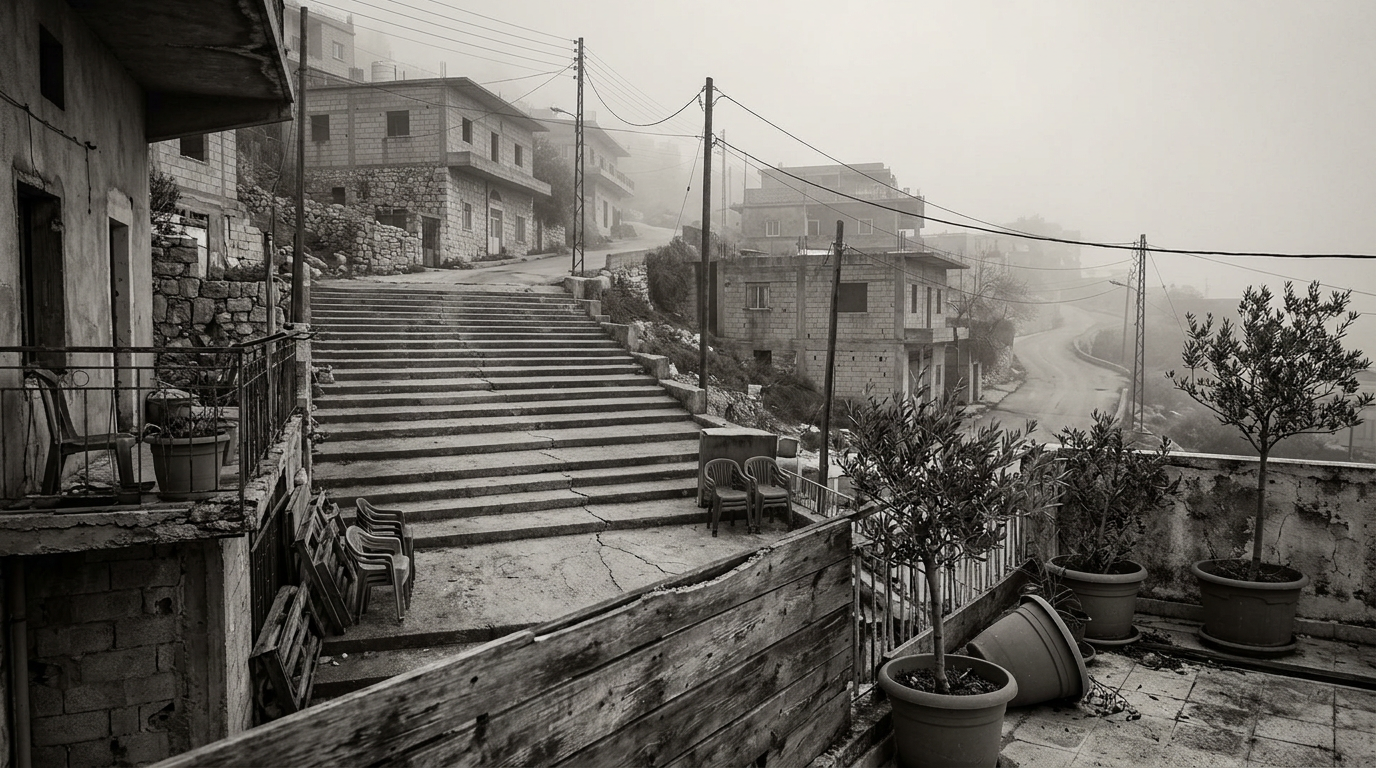
Israeli military strikes carried out across Lebanon on Wednesday, April 8, 2026, killed 89 people and injured 700 others, according to a spokesperson for Lebanon's health ministry. Officials said the reported toll reflects casualties recorded after attacks that hit multiple locations across Lebanese territory. The health ministry described the figures as an assessment of the immediate human impact from the strikes.
The fatalities included 12 medical personnel in southern Lebanon, the spokesperson said. Some of the strikes occurred in the south, where the health ministry indicated healthcare workers were among those killed. The report underscored the risks faced by medical staff and the strain placed on health services during periods of intensified military activity.
Officials characterized the attacks as a major escalation in the ongoing conflict, citing the scale of casualties and the breadth of the strikes. The health ministry’s account pointed to a wide geographic reach, with impacts reported across Lebanon rather than in a single area. The ministry’s statement focused on the human cost, including harm to civilians and damage affecting essential services.
Beyond the immediate casualty figures, the incident drew attention to the vulnerability of civilian infrastructure during military operations, including healthcare capacity. The inclusion of medical personnel among the dead highlighted how emergency response and treatment systems can be directly affected when strikes occur near or within areas where health workers operate.
The health ministry’s figures also suggest a large number of wounded requiring care, which can increase pressure on hospitals, ambulances, and frontline clinics.
Key details remain limited in the information provided, including the specific locations of all strikes, the identities of those killed and wounded, and the extent of damage to facilities. The health ministry’s report offers a snapshot of casualties and does not, on its own, describe the operational objectives or the full sequence of events. Further official updates would be needed to clarify the scope of the attacks, the distribution of casualties by area, and the condition of the injured.
The developments are being closely watched internationally because the reported escalation and casualty levels can affect regional stability and cross-border security conditions. For global markets, heightened conflict risk in the Eastern Mediterranean can raise uncertainty for businesses with exposure to the region, particularly where logistics, insurance, and operational continuity depend on stable security conditions.
The health ministry’s casualty report remains the central quantified account in the information available.