Atlantic Current Collapse Risk Jumps, Study Warns
Atlantic Current collapse risk rises after an April 15, 2026 study links observations and models, projecting a 42%–58% slowdown by 2100.
Lauren Collins ·
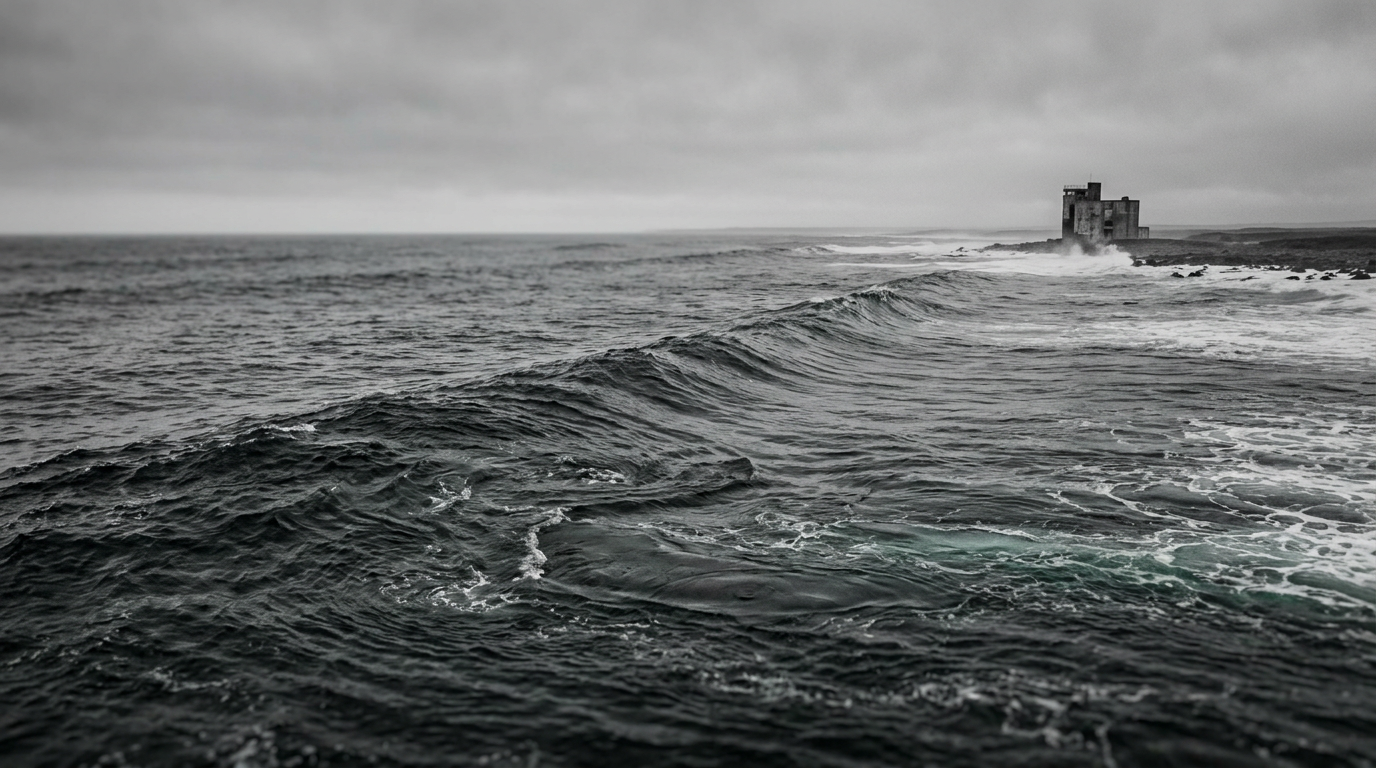
A new peer-reviewed study has raised the estimated risk that a key Atlantic ocean circulation system could fail. Research published in Science Advances on April 15, 2026 reports that the Atlantic meridional overturning circulation (AMOC) is more likely to collapse than earlier assessments suggested. The authors said they reduced uncertainty by combining real-world ocean observations with climate model simulations, producing a revised probability that a critical slowdown could occur.
The AMOC is described in the study as a central part of the global climate system, moving heat and influencing weather patterns across regions. Scientists said it is currently at its weakest level in 1,600 years , a condition they attributed to climate change. The research links the weakening to rising Arctic air temperatures, which slow ocean cooling and reduce water density, creating a feedback loop that further hinders the current.
In the study’s projections, the AMOC slows by 42% to 58% by 2100 . The authors said that reaching this degree of weakening increases the likelihood of a collapse. They also reported that the updated assessment is driven by a validation step: climate models that produced the largest slowdowns were found to align best with observational data, and were therefore treated as more accurate for estimating future change.
What it means is that the potential consequences described by the researchers would extend well beyond the North Atlantic. The study said an AMOC collapse could shift tropical rainfall patterns, a change that could contribute to food insecurity for millions. It also said Western Europe could face more extreme cold winters alongside summer drought conditions, underscoring the system’s role in shaping regional climate risks.
The research also highlighted coastal and financial exposure tied to sea levels. It said an AMOC collapse could add 50–100 cm of sea level rise around the Atlantic basin, a range that would matter for infrastructure planning, insurance pricing, and public budgets in affected coastal economies.
Because the AMOC influences conditions across multiple regions, the study’s findings are relevant to global markets through potential impacts on agriculture, energy demand, and climate-related risk management.
Key uncertainties remain, even with reduced model spread. The study focuses on a higher probability of collapse than previously estimated, but it does not remove the underlying complexity of ocean dynamics or the challenge of translating model outcomes into precise timing. The authors’ approach—using observations to identify which models best match reality—aims to narrow those unknowns while emphasizing that the risk profile has shifted upward.