China-Russia ties reaffirmed in Xi-Lavrov Beijing meeting
China-Russia ties were reaffirmed as Xi met Lavrov in Beijing on April 9, 2024, highlighting continued alignment since February 2022.
Lauren Collins ·
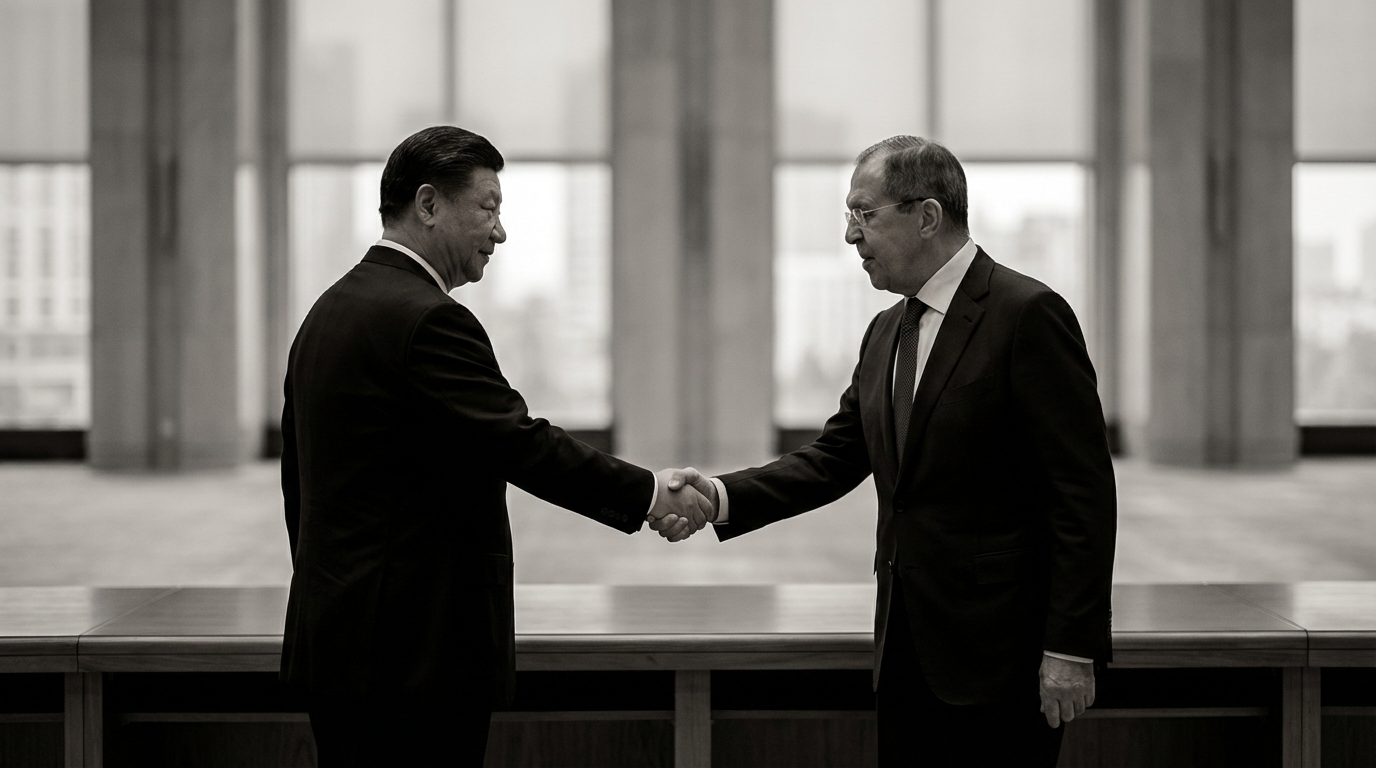
China’s top leader reaffirmed the value of Beijing’s relationship with Moscow during a high-level meeting in the Chinese capital, underscoring the durability of the two countries’ strategic alignment amid shifting global politics.
Chinese President Xi Jinping met Russian Foreign Minister Sergey Lavrov in Beijing on Tuesday, April 9, 2024. During the meeting, Xi described China’s bilateral relationship with Russia as “precious” in the current international environment, a formulation that signaled continuity in the way Beijing frames ties with Moscow.
The engagement came after a period in which cooperation between China and Russia has deepened, particularly since Russia’s full-scale invasion of Ukraine in February 2022. Since that point, China has not condemned Russia’s actions, and trade between China and Russia has increased, providing Moscow with economic support as Western sanctions have tightened.
Officials’ messaging around the meeting also reflected a shared outlook on global affairs and a common interest in counterbalancing Western influence. The Xi-Lavrov talks were presented as part of an ongoing pattern of diplomatic coordination between the two countries, reinforcing the idea that the partnership remains a central feature of their foreign policy positioning.
Beyond diplomacy, the relationship has also included increased military exercises and closer coordination in international forums, according to the account of the broader trajectory of ties. The meeting therefore served as another public marker that both sides intend to keep the strategic partnership on track even as international pressures and economic constraints evolve.
What it means for markets and politics is that sustained China-Russia alignment continues to matter for global investors and governments watching sanctions enforcement, trade flows, and security dynamics. The account of China’s expanded trade with Russia highlights how commercial links can intersect with geopolitical objectives, especially when one party faces restrictions from Western economies.
At the same time, there are uncertainties around how this alignment will shape near-term diplomatic and economic outcomes, given the complex international relations and economic pressures referenced by officials. What is clear from the meeting is the public emphasis on continuity: Beijing and Moscow are signaling that their coordination remains active and politically significant, with implications that extend beyond their bilateral agenda to Asia and Eastern Europe.