Pope Leo XIV visits Cameroon amid Vatican representation debate
Pope Leo XIV arrives in Cameroon Wednesday, spotlighting Africa’s Catholic growth, Vatican representation gaps, and a planned Biya meeting.
Lauren Collins ·
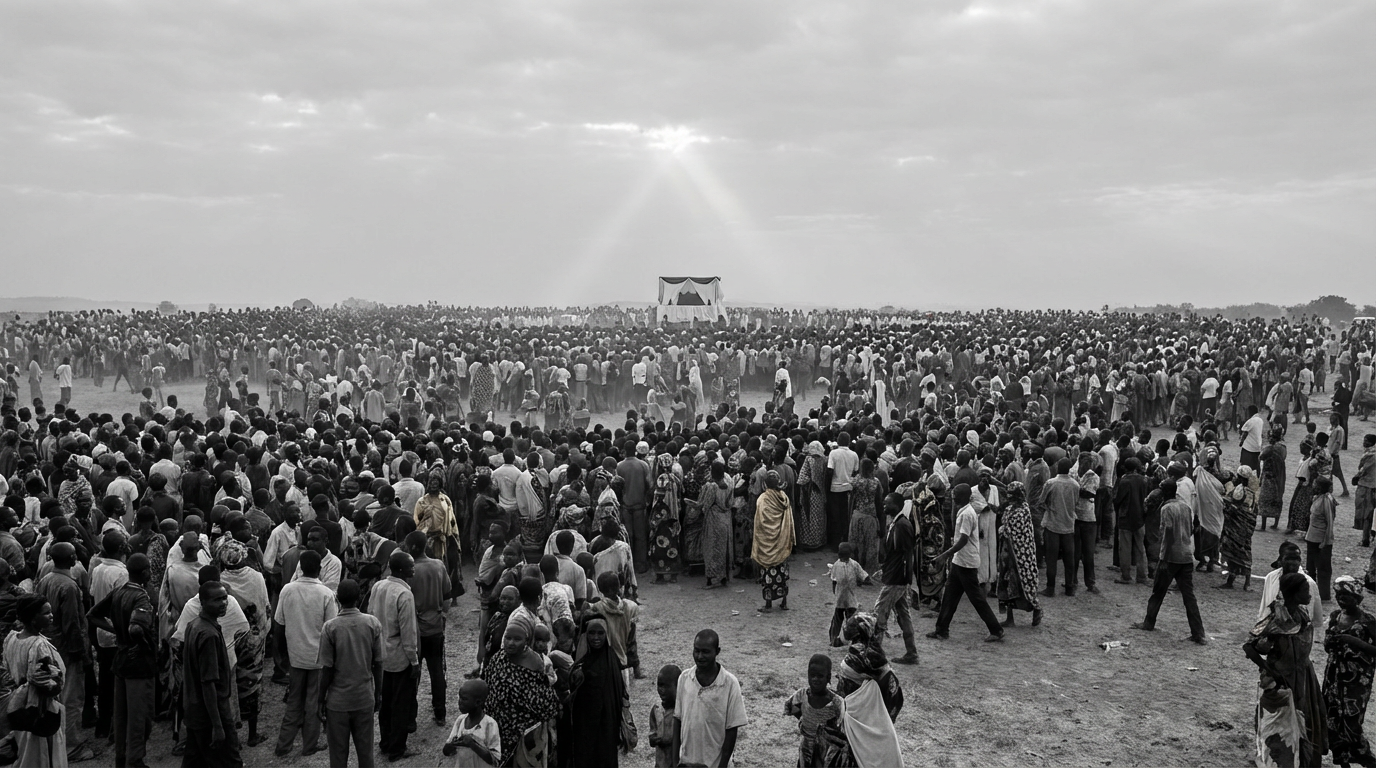
Pope Leo XIV is due to arrive in Cameroon on Wednesday, a trip that many local Catholics see as both a celebration and a test of how the global church values Africa’s growing Catholic population. Cameroon has more than eight million Catholics, and Vatican figures say close to 30 percent of the country’s population identifies as Catholic.
At the same time, church leadership in Rome remains a point of contention for many African Catholics, who note that senior Vatican ranks still include relatively few Africans.
Church data cited in the discussion around the visit highlights the scale of Africa’s role: one in five Catholics lives on the continent, where Catholicism is expanding faster than anywhere else. Pope Francis, Leo’s immediate predecessor, sought to broaden representation in the College of Cardinals, the group of 121 senior church leaders who advise and elect popes. Even so, Cameroon currently has no cardinals, and Africa has 14 members in the college.
Henry Michael Gueche, a 36-year-old technology entrepreneur in Yaoundé who described himself as a faithful Catholic, said Cameroon and Africa provide the numbers that sustain the church, but argued that Africans lack meaningful influence in Rome. His comments reflect a wider debate over whether demographic growth is translating into decision-making power at the Vatican.
The visit also intersects with divisive questions inside Catholicism. Cameroon was among the African countries where bishops strongly opposed Francis’ decision to allow priests to bless same-sex couples. Polygamy, described as an embedded cultural practice that conflicts with Catholic teaching, is another issue expected to shape local expectations of what Leo will address.
Beyond church doctrine, Leo has drawn attention by agreeing to meet President Paul Biya, 93, described as the world’s oldest president and an authoritarian who has ruled Cameroon for more than four decades. The account of Biya’s government includes detentions of journalists, secret deals with the Trump administration to accept deported migrants, repression of the opposition, and a claimed election victory last year amid fraud allegations.
Cameroon’s political strains also include a divide between Francophone and Anglophone regions and a secessionist movement in the English-speaking regions that has destabilized the country since 2016.
Some Cameroonians have warned that the president could use the papal visit to improve his government’s image. The Rev. Ludovic Lado, a Jesuit priest from Cameroon and a visiting scholar at Harvard Divinity School, wrote in an email that he did not believe it was the right time for a papal visit and said he had written to the Vatican’s secretary of state to object.
He said there was a risk the trip could be instrumentalized to bolster Cameroon’s international standing despite governance challenges.
Vatican officials said the trip is primarily pastoral and intended to show solidarity with the faithful regardless of who governs. They also noted that because Vatican City is a sovereign state, the pope is formally hosted by political leaders and typically meets them.
Cardinal Michael Czerny, a senior Vatican official, said the trip could not occur without such a meeting and added that Vatican leaders do not directly attack governments, arguing that doing so would draw the Vatican into unnecessary conflicts and weaken its peacekeeping role.
Even with that stance, the visit has fueled hopes among some opponents of Biya that Leo will use his moral authority to support them or influence the president. Patrice Nganang, a Cameroonian novelist and professor of Africana studies at Stony Brook University on Long Island in New York, said he hoped the pope would urge clemency for jailed Anglophone activists, adding that Biya, who is Catholic, listens to the pope.
Charlotte Walker-Said, an associate professor at John Jay College of Criminal Justice in New York City who has studied Catholicism in Cameroon, said the church remains one of the last institutions with moral legitimacy in the country and retains an ability to criticize amid perceptions of corruption and brutality in governance.
On homosexuality, Leo has remained neutral, according to the account of the debate surrounding the trip. Paul Engoulou, a parish priest in Yaoundé, said Africa operates with cultural values and ancestral customs and argued it cannot adapt to what he called unnatural practices such as homosexuality. ” Analysts cited in the discussion said polygamy could be a more likely subject for Leo to address, though what he will say publicly remains uncertain.